The US-Iran peace talks entered a critical phase on Sunday as U.S. Vice President JD Vance arrived in Switzerland for high-level negotiations aimed at ending months of conflict between Washington and Tehran. However, hopes for a diplomatic breakthrough have been clouded by a growing dispute over Iran‘s claim that it has closed the Strait of Hormuz, one of the world’s most strategically important oil shipping routes.
With global energy markets, regional security and nuclear diplomacy hanging in the balance, negotiators from both countries are meeting at the Swiss resort of Buergenstock under intense international scrutiny. While both governments publicly express optimism, disagreements over the Lebanon ceasefire and maritime security threaten to overshadow efforts to secure a lasting peace.
The talks represent one of the most significant diplomatic engagements between the United States and Iran in recent years. They also test the durability of the 60-day ceasefire brokered by Pakistan and signed earlier this week by U.S. President Donald Trump and Iranian President Masoud Pezeshkian.
JD Vance Arrives for High-Stakes Negotiations
Vice President JD Vance landed at Emmen Air Base early Sunday alongside Second Lady Usha Vance before travelling to the negotiations.
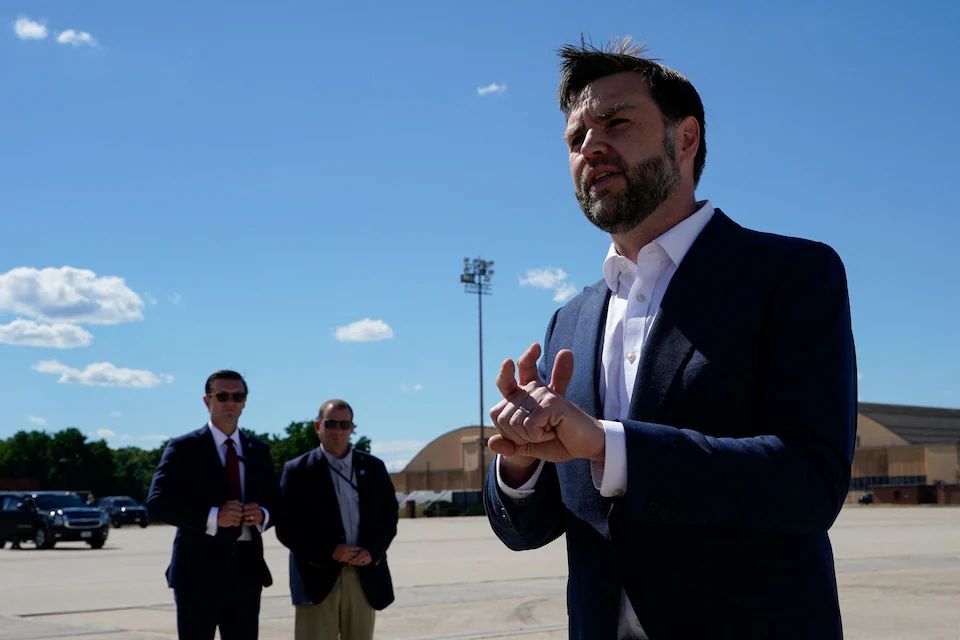
Speaking before departing Washington, Vance expressed cautious optimism.
“I think we’re going to hopefully make progress on the nuclear issue, make progress on the Lebanon ceasefire issue,” he said, adding that a “couple days of talks” were expected.
His delegation includes U.S. special envoys Steve Witkoff and Jared Kushner, reflecting the importance Washington places on achieving a comprehensive agreement.
According to Reuters,The Iranian delegation is headed by chief negotiator Mohammad Baqer Qalibaf and Foreign Minister Abbas Araqchi, accompanied by senior officials responsible for security, finance and energy.
Strait of Hormuz Dispute Threatens Progress
Even before formal negotiations began, fresh tensions emerged over the Strait of Hormuz.
Iran’s Islamic Revolutionary Guard Corps announced that the strategic waterway had been closed following Israeli military operations in Lebanon.
The strait is among the world’s most important maritime corridors, previously transporting nearly one-fifth of global oil supplies.
However, the United States strongly disputed Tehran’s announcement.
According to U.S. Central Command, commercial shipping continued without interruption.
Military officials reported that 55 merchant vessels successfully passed through the waterway on Saturday, transporting more than 17 million barrels of oil to international markets.
The conflicting claims have raised fresh uncertainty among global energy traders despite continued shipping activity.
Trump Signals Possible Future Shipping Toll
President Donald Trump suggested the United States could eventually impose a toll on vessels using the Strait of Hormuz if diplomacy collapses.
Writing on social media, Trump stated there would be no charge during the current ceasefire period.
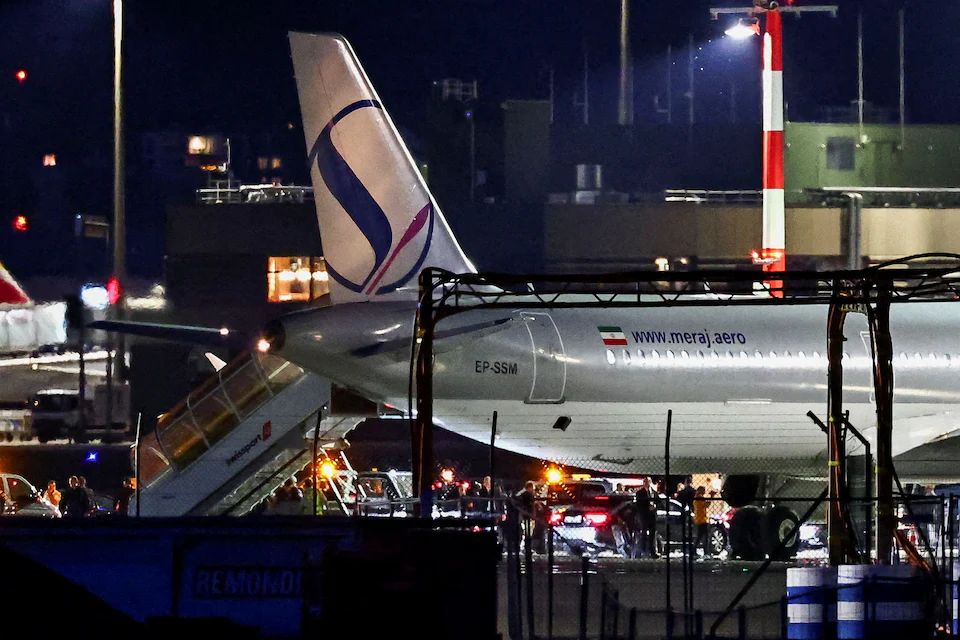
However, he warned that if negotiations failed, the United States might introduce payment requirements.
He described such charges as compensation for America serving as:
“the Guardian Angel to the countries of the Middle East.”
The remarks underline Washington’s determination to maintain freedom of navigation while increasing pressure on Iran to honour its commitments.
Iran Accuses Washington of Breaking the Agreement
Iranian officials argue that Israel’s military operations in Lebanon violated commitments underpinning the ceasefire.
Mohammad Mokhber, adviser to Supreme Leader Ayatollah Mojtaba Khamenei, criticised Washington.
He said the United States had failed to implement the first provision of the newly signed 14-point agreement.
According to Mokhber, the accord required a ceasefire “on all fronts,” including Lebanon.
He warned that:
“As long as the agreement was only on paper, the flow of Middle East energy would stay halted.”
Meanwhile, Iranian Oil Minister Mohsen Paknejad struck a more optimistic tone.
He said Western governments could unlock hundreds of investment opportunities if they respected both the letter and spirit of the agreement.
Lebanon Violence Continues Despite Ceasefire
The ceasefire itself is already facing severe pressure.
Lebanese civil defence authorities reported that Israeli strikes killed 20 people on Saturday, only hours after the truce officially began.
Israel insisted it was responding to attacks launched by Hezbollah.
The militant group, meanwhile, declared it would not permit Israel “freedom of movement” inside Lebanon.
Israeli officials also stressed that Israel was not a direct party to the US-Iran agreement.
In a statement, the Israeli military said it remained committed to the ceasefire but would continue taking action against perceived security threats.
Reports from Israeli broadcaster Channel 12 indicated that political leaders instructed the military to reduce offensive operations while maintaining control of strategic positions already captured.
Pakistan Plays Key Diplomatic Role
Pakistan continues to play a central role in the negotiations after successfully brokering the ceasefire agreement.
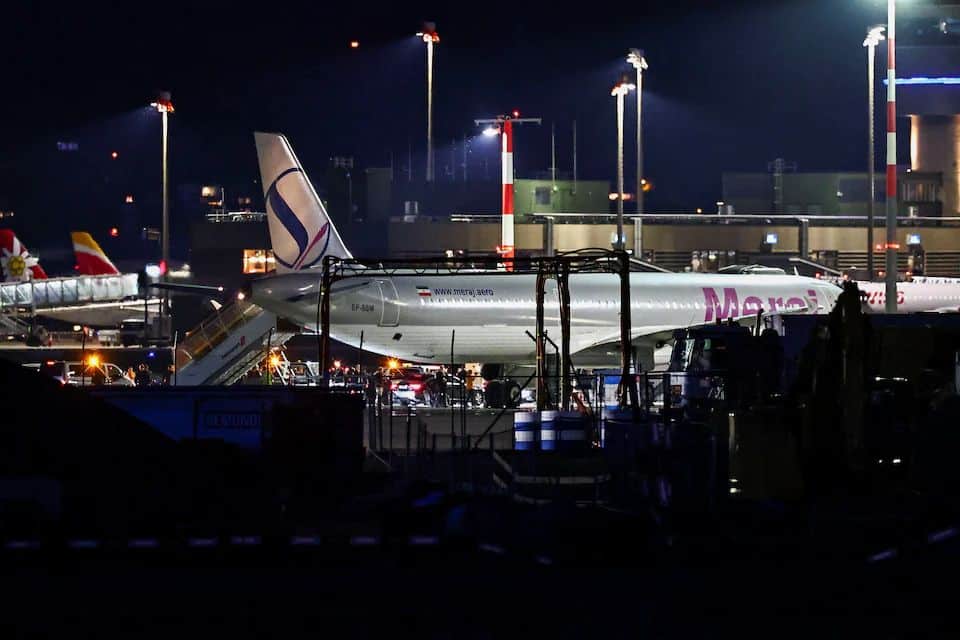
Prime Minister Shehbaz Sharif and Army Chief Field Marshal Syed Asim Munir have travelled to Switzerland to support discussions.
Their participation reflects Islamabad’s growing diplomatic influence and determination to ensure that both sides remain committed to dialogue rather than renewed military confrontation.
Nuclear Programme Remains the Core Issue
Although regional security dominates headlines, Iran’s nuclear programme remains the principal subject of negotiations.
Washington seeks stronger guarantees that Tehran’s nuclear activities remain peaceful.
Iran, meanwhile, wants sanctions relief, economic cooperation and assurances that previous agreements will not be abandoned again.
Foreign Ministry spokesman Esmaeil Baghaei said Tehran would insist that every commitment made by the United States and its allies be fully honoured.
He pointed to previous agreements that Iran believes Western governments failed to implement.
Those experiences continue to shape Tehran’s negotiating position.
Israeli Public Questions the War’s Outcome
A new survey conducted by Hebrew University revealed widespread public scepticism regarding the conflict.
According to the poll, approximately 92 percent of respondents believed Iran ultimately benefited more from the joint Israeli-American military campaign.
Only eight percent viewed Israel as the clear winner.
Nearly 90 percent said the campaign failed to achieve its stated objectives.
Less than one-third accepted Prime Minister Benjamin Netanyahu’s assessment that Israel achieved major strategic success.
The findings illustrate growing domestic pressure on Israeli leaders as regional diplomacy unfolds.
Global Markets Watch Every Development
The outcome of the US-Iran peace talks will have consequences extending far beyond the Middle East.
Energy markets remain highly sensitive to any disruption in the Strait of Hormuz, while governments across Europe, Asia and North America are closely monitoring developments.
A successful agreement could stabilise oil prices, reduce regional tensions and revive broader diplomatic engagement.
Read also: Israel-Lebanon ceasefire violated as Israeli strikes kill 10, U.S.-Iran talks remain uncertain
Failure, however, risks renewed military escalation, higher energy costs and greater uncertainty across global financial markets.
For now, negotiators remain at the table in Switzerland, where the coming days may determine whether diplomacy can overcome deep mistrust built over years of conflict. As both sides seek common ground, the world watches closely, aware that the decisions made in Buergenstock could reshape Middle East security and the global economy for years to come.
About The Author