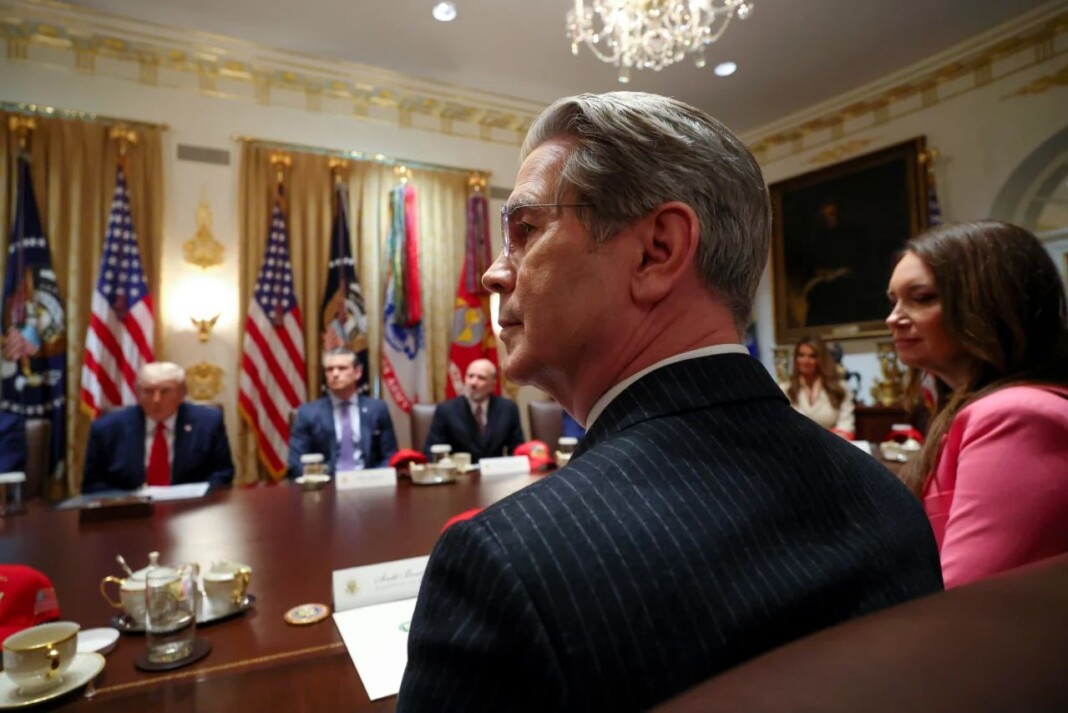

The Donald Trump Iran peace agreement proposal has rapidly become one of the most closely watched diplomatic developments in the world, with global powers anxiously observing whether the fragile framework can prevent another dangerous escalation in the Middle East.
The draft agreement, reportedly circulated among Israel and key US allies, represents a dramatic attempt to stabilise a region already shaken by missile strikes, economic uncertainty and mounting geopolitical tension.
At the centre of the negotiations lies the Strait of Hormuz, one of the world’s most strategic maritime routes. The narrow waterway has become both a bargaining chip and a flashpoint as Iran, the United States and regional allies struggle to balance diplomacy with military pressure.
While negotiations continue behind closed doors, the atmosphere across the Middle East remains tense, with fresh ceasefire violations threatening to derail months of indirect talks.
The Donald Trump Iran peace agreement also highlights the extraordinary political balancing act facing the White House. President Trump must convince sceptics within his own political movement, reassure allies such as Israel and simultaneously pressure Tehran into accepting restrictions on its nuclear programme. Every statement from Washington now carries enormous diplomatic and economic consequences.
According to reporting from The Guardian, the proposed framework would reopen the Strait of Hormuz to commercial shipping, ease restrictions affecting Iranian ports and begin a fresh negotiation period focused on Iran’s nuclear activities. Yet despite progress, final disagreements continue to threaten the entire process.

Donald Trump Iran Peace Agreement Signals New Diplomatic Push
The draft agreement reportedly shared by Trump outlines a temporary roadmap designed to prevent the collapse of the fragile ceasefire established earlier this year. Under the proposed terms, commercial shipping through the Strait of Hormuz would gradually return to normal levels while negotiators attempt to resolve disputes surrounding Iran’s uranium enrichment programme.
The proposal also reportedly includes access to nearly $12bn in frozen Iranian assets, alongside discussions involving international monitoring of Tehran’s nuclear activities through the International Atomic Energy Agency.
Vice-President JD Vance acknowledged that the negotiations remain delicate despite visible progress. “We’re going back and forth on a couple of language points,” Vance reportedly stated while discussing the memorandum of understanding.
That remark perfectly captures the fragile nature of the negotiations. Even small disagreements over wording could determine whether diplomacy succeeds or another cycle of confrontation begins.
The agreement reportedly aims to establish a 60-day negotiation window during which both sides would attempt to resolve deeper disputes regarding Iran’s nuclear ambitions, sanctions relief and regional military activity.
However, Trump himself has reportedly requested more time before formally approving the proposal.
“He needed a few more days to think about it,” Axios quoted sources as saying following recent White House discussions.
Strait of Hormuz Ceasefire Remains Extremely Fragile
Despite ongoing diplomatic efforts, military tensions continue to rise around the Strait of Hormuz, the critical maritime route through which a significant percentage of the world’s oil supply travels.
Iran reportedly launched strikes targeting a US airbase in Kuwait shortly after Washington carried out attacks against what American officials described as Iranian drone operations near the strait.
Those exchanges immediately exposed how unstable the ceasefire remains.
Iran’s Islamic Revolutionary Guard Corps also reaffirmed its authority over the waterway, declaring that all vessels must seek permission before passing through the strait.
“Seeking permission is mandatory,” the IRGC reportedly warned, adding that ships using unauthorised routes could face intervention.
The statement alarmed global shipping companies already struggling with rising insurance costs and security fears. Analysts say even limited disruptions within the Strait of Hormuz can trigger immediate spikes in oil prices and create wider economic instability.
Indeed, oil prices climbed again following the latest developments, though they remained below the psychologically important $100-per-barrel mark.
The Donald Trump Iran peace agreement therefore carries implications far beyond diplomacy. It directly affects global energy security, shipping operations and international financial markets.
Israel Faces Difficult Choices Over Trump’s Draft Deal
The proposed agreement reportedly creates major concerns inside Israel because it delays any final resolution regarding Iran’s nuclear programme.
Israeli officials have consistently argued that Tehran should face stronger restrictions and tougher oversight before receiving economic relief or broader international concessions.
The current draft reportedly requires Iran to suspend further enrichment temporarily while allowing discussions to continue regarding its stockpile of highly enriched uranium.
For many Israeli security officials, that approach may appear too lenient.
The agreement also reportedly links any permanent ceasefire arrangement to broader regional stability, including developments in Lebanon involving Hezbollah.
That connection significantly complicates negotiations because Israel views Hezbollah as one of its most immediate security threats.
Analysts believe Prime Minister Benjamin Netanyahu will likely push for stronger guarantees before fully supporting any final agreement.
At the same time, Trump must carefully manage his relationship with Israel while avoiding a diplomatic collapse that could ignite another regional conflict.
That balancing act explains why negotiations remain tense despite visible diplomatic progress.
Oman Caught in Growing Diplomatic Storm
One of the most surprising dimensions of the Donald Trump Iran peace agreement controversy involves Oman, traditionally viewed as a neutral mediator in Middle East diplomacy.
Iran has reportedly attempted to negotiate a separate arrangement with Muscat regarding navigation rules within the Strait of Hormuz. The discussions allegedly involved possible fees connected to “navigational services.”
Read also: US-Iran tentative agreement sparks global tension as Trump yet to approve deal
Those reports triggered an explosive response from President Trump.
Trump reportedly threatened to “blow up” Oman if the country cooperated with Iran on a toll system affecting the strategic waterway.
The remarks reportedly shocked senior diplomats inside Oman, particularly because the Gulf nation has historically maintained strong relations with Western governments while serving as a mediator in regional disputes.
The US Treasury Secretary Scott Bessent also intensified pressure by warning that Washington could impose sanctions on countries helping Iran implement maritime toll systems.
“The United States Government will not tolerate any effort to impose a tolling system in the Strait of Hormuz,” Bessent warned.
Despite the pressure, Oman continues attempting to preserve its role as a diplomatic intermediary capable of maintaining communication between Tehran and Washington.
Iran Pushes Back Against US Pressure
Iranian leaders continue insisting that negotiations must respect the country’s sovereignty and economic interests.
Deputy Foreign Minister Ali Bagheri reiterated Tehran’s demand that frozen Iranian assets be released without conditions attached.
At the same time, Supreme Leader Mojtaba Khamenei warned against internal political division during the ongoing crisis.
“The enemy’s blind plan is to create division and destruction,” Khamenei reportedly declared while accusing the United States and Israel of attempting to weaken Iran from within.
Those comments reflect growing domestic pressure inside Iran, where economic hardship, sanctions and military tensions have intensified frustration among sections of the population.
Amnesty International also reported that more than 6,000 people have allegedly been arrested inside Iran since the US-Israel offensive began earlier this year.
The arrests reportedly include protesters, journalists, lawyers, activists and members of ethnic or religious minorities.
Those developments have complicated international discussions surrounding human rights and diplomatic engagement with Tehran.
Pakistan Emerges as Critical Mediator
Pakistan has increasingly become one of the most influential diplomatic intermediaries in the crisis.
Foreign Minister Mohammad Ishaq Dar is expected to travel to Washington for high-level discussions with US Secretary of State Marco Rubio aimed at preserving momentum in the negotiations.
Diplomatic observers believe Pakistan’s growing involvement reflects wider regional concerns that a collapse in talks could trigger devastating consequences across the Middle East.
Qatar has also reportedly played an important role in facilitating indirect communication between Iran and the United States.
Even amid missile launches and military threats, diplomatic channels remain active.
That fact alone suggests both sides understand the enormous risks associated with allowing the crisis to spiral completely out of control.
Why the Donald Trump Iran Peace Agreement Matters Globally
The Donald Trump Iran peace agreement could reshape Middle East politics, global energy markets and international diplomacy for years.
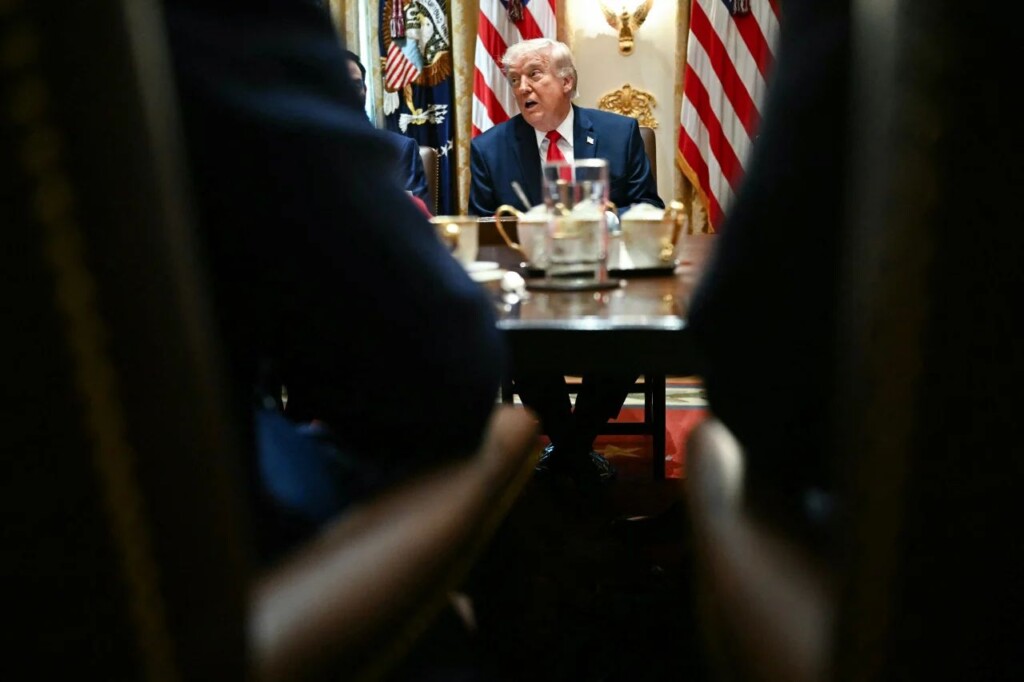
If negotiations succeed, the agreement may stabilise the Strait of Hormuz, lower energy prices and reduce fears of a prolonged regional war involving multiple global powers.
However, failure could produce the opposite outcome.
Any collapse in negotiations may trigger fresh military confrontations, deeper economic instability and even direct clashes involving the United States, Iran, Israel and regional allies.
The world is therefore watching every diplomatic move with extraordinary attention.
For now, uncertainty continues dominating the Middle East.
Yet despite missile launches, political threats and mutual distrust, diplomacy remains alive.
Whether that diplomacy ultimately succeeds may depend entirely on Donald Trump’s final decision in the coming days.
About The Author