The emerging US-Iran tentative agreement is rapidly becoming one of the most consequential geopolitical developments of 2026, with world leaders, financial markets and military observers closely monitoring every new signal from Washington and Tehran. While the proposed understanding could temporarily reduce fears of a wider regional war, uncertainty continues to dominate the Middle East as President Donald Trump has yet to formally approve the deal.
The proposed agreement reportedly centers on reopening the Strait of Hormuz for unrestricted navigation while launching a fresh 60-day negotiation framework over Iran’s nuclear programme. Yet despite diplomatic progress, fresh missile exchanges, military warnings and political threats continue to shake the region, creating an atmosphere where peace and escalation appear to exist side by side.
The possibility of a breakthrough has already triggered dramatic reactions in global energy markets. Oil traders, shipping firms and governments fear that any collapse in negotiations could plunge the global economy into another major crisis. At the same time, diplomatic insiders believe the talks represent the strongest opportunity in months to avoid a prolonged military confrontation between the United States and Iran.
According to CNN, senior US officials confirmed that a draft memorandum of understanding has been prepared, though critical disagreements remain unresolved. The report noted that President Trump remains cautious about endorsing any arrangement that could be perceived as weaker than the Obama-era nuclear deal he previously abandoned.
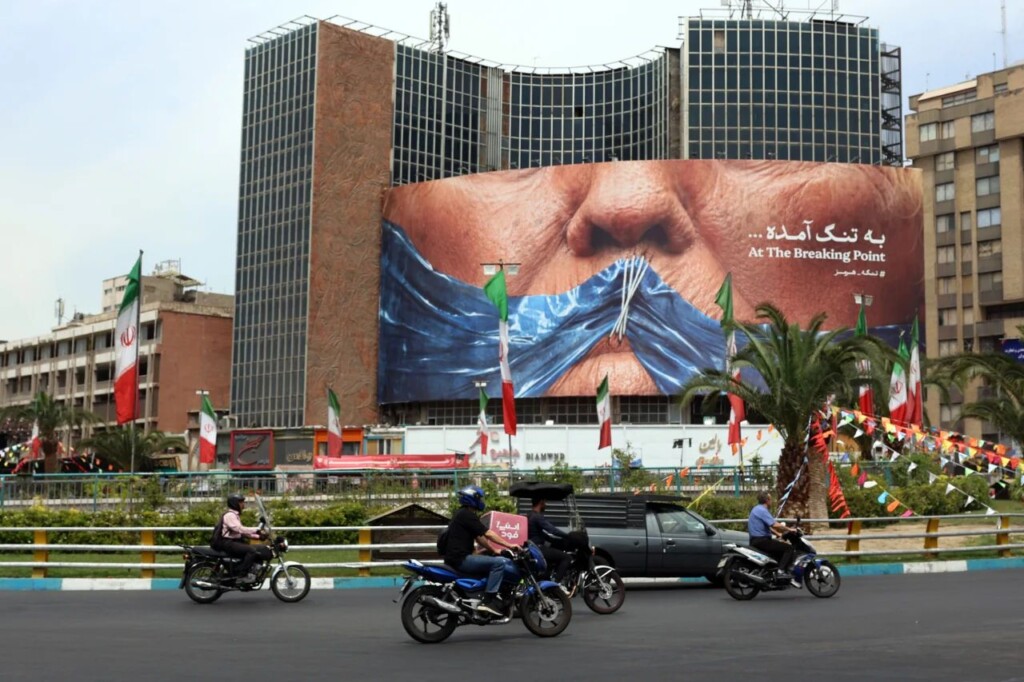
US-Iran Tentative Agreement Raises Hope for De-escalation
The proposed framework reportedly includes the lifting of restrictions affecting the Strait of Hormuz, one of the world’s most strategic oil routes. The agreement would also initiate fresh negotiations concerning Iran’s enriched uranium stockpile and broader nuclear ambitions.
US officials reportedly believe diplomacy remains possible despite renewed hostilities in the Gulf region. One source familiar with discussions reportedly stated, “Finalizing the text shows diplomacy is still alive even while tensions continue on the battlefield.”
The tentative agreement arrives after several dangerous confrontations involving Iranian missile launches, US retaliatory operations and Israeli military actions in Lebanon. Analysts say the fragile negotiations highlight how close the region remains to a broader conflict.
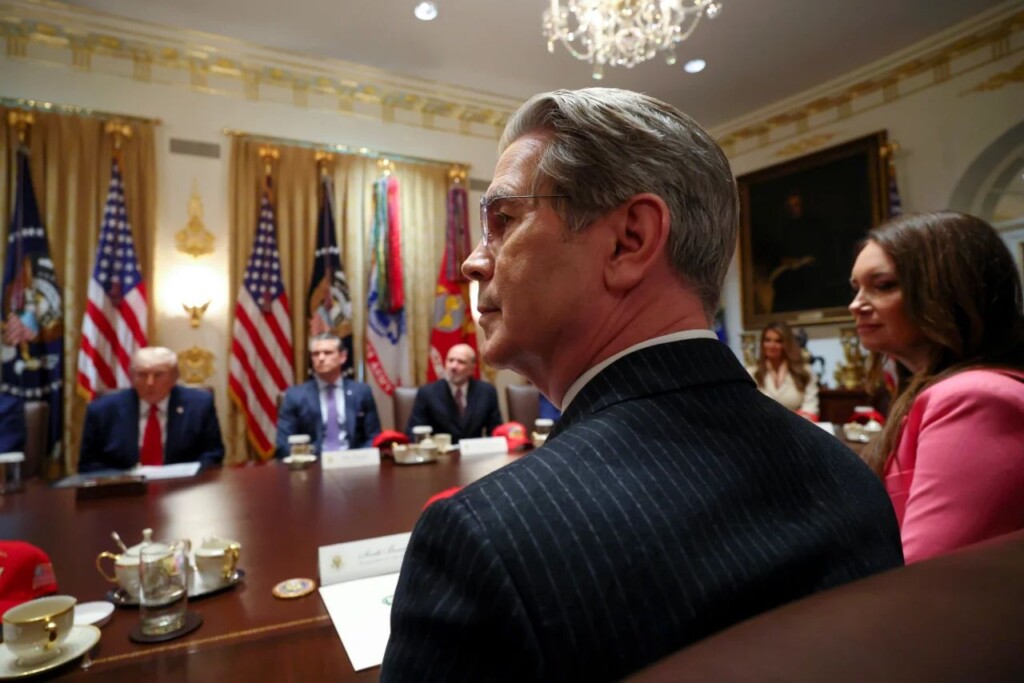
Donald Trump’s hesitation has become a major focal point in Washington. Sources quoted by CNN indicated the US president wants assurances that any agreement can be presented as tougher and more effective than the 2015 nuclear accord signed during Barack Obama’s administration.
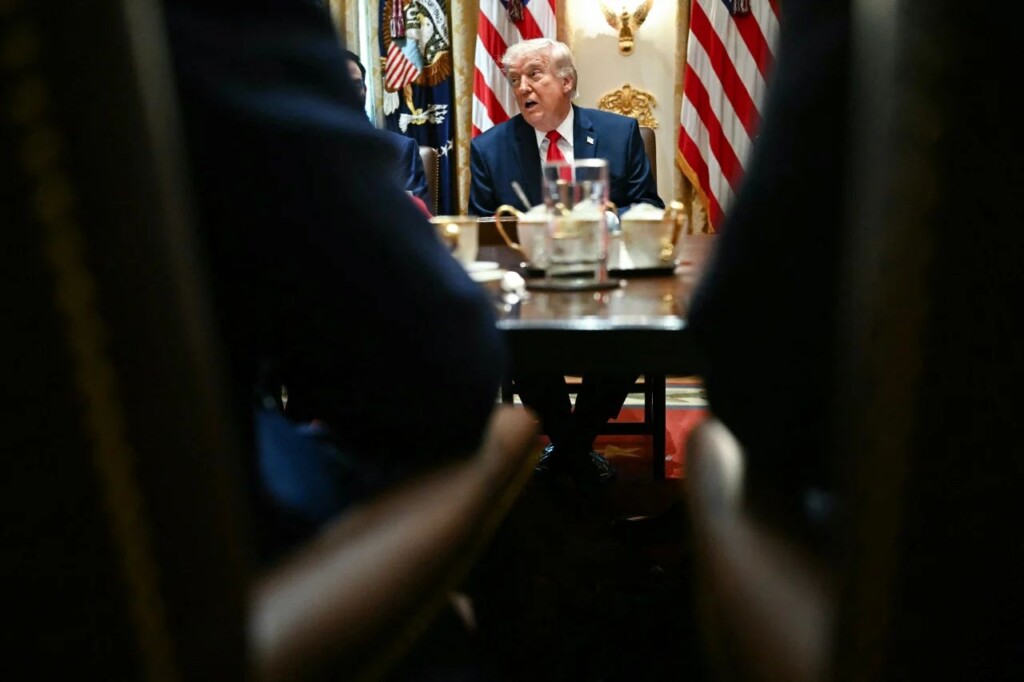
Trump reportedly warned earlier this week that he would not be pressured into accepting terms prematurely. “I’m not satisfied yet,” he reportedly said during recent discussions surrounding the negotiations.
Strait of Hormuz Crisis Continues to Shake Global Markets
The Strait of Hormuz remains central to the entire crisis because it serves as a critical route for global oil shipments. Any disruption there instantly affects energy prices, shipping routes and international trade.
Recent tensions forced the United States to rely heavily on emergency petroleum reserves. Fresh federal data cited by CNN showed American oil inventories falling sharply as the prolonged regional conflict continues to strain supplies.
Energy analyst Andy Lipow reportedly warned, “You can’t continue at this pace forever,” while commodity specialist Bob Yawger stated, “We’ve really super-sized the draws from the SPR.”
Gasoline prices have become increasingly volatile as traders react to every diplomatic update and military exchange. Although prices recently dropped after reports of possible negotiations, analysts caution that the market remains highly unstable.
“We could get one headline and crude oil would be back up $5 a barrel,” Lipow warned.
The uncertainty surrounding the Strait of Hormuz has also created serious concerns among international shipping operators. Thousands of seafarers remain trapped within high-risk maritime zones as both Iran and the United States continue competing for control and influence over the strategic waterway.
Fresh Military Strikes Threaten Peace Efforts
Even as negotiations continue, military activity across the region has intensified dramatically. US Central Command confirmed that Iran fired a ballistic missile toward Kuwait overnight, though the projectile was intercepted before causing damage.
Iran’s Islamic Revolutionary Guard Corps claimed responsibility for strikes targeting an American military base, describing the action as retaliation for earlier US attacks on Iranian drone facilities near the Strait of Hormuz.
The escalating exchanges have complicated diplomatic efforts and deepened fears that a single miscalculation could destroy ongoing negotiations.
CENTCOM described Iran’s latest actions as an “egregious ceasefire violation” and condemned what it called “unjustified Iranian aggression.”
The sharp language represented a noticeable shift in tone from previous US statements, which had often appeared carefully calibrated to avoid reigniting full-scale conflict.
Meanwhile, Israel intensified military operations in Lebanon, targeting a Hezbollah missile commander in Beirut. Israeli officials reportedly coordinated aspects of the operation with the United States, further illustrating how interconnected the regional crisis has become.
The Lebanese Health Ministry reported dozens of casualties following Israeli airstrikes, while additional evacuation warnings were issued across southern Lebanon.
Trump Faces Political Pressure Over Iran Negotiations
The proposed agreement has triggered strong reactions within American political circles, particularly among Trump’s allies and conservative supporters.
Some Republican figures reportedly fear the agreement could grant Iran too much leverage, especially concerning sanctions relief and maritime access. Others argue that avoiding war should remain Washington’s immediate priority.
Trump is also reportedly under pressure from Israeli Prime Minister Benjamin Netanyahu, who has consistently demanded tougher measures against Tehran.
Read also: Trump refiles $10bn lawsuit against WSJ over Epstein report
According to CNN sources, Trump has become “fixated” on ensuring any eventual deal appears stronger than the Obama administration’s earlier nuclear arrangement.
That political balancing act may explain why the White House continues sending mixed signals regarding the negotiations.
US Treasury Secretary Scott Bessent further escalated tensions after issuing stern warnings toward Oman. “The United States Government will not tolerate any effort to impose a tolling system in the Strait of Hormuz,” Bessent declared.
President Trump also sparked controversy after reportedly warning Oman that the US could “blow ‘em up” if the country attempted to help Iran dominate the strait.
Those remarks immediately drew criticism from observers who fear inflammatory rhetoric could undermine delicate diplomatic progress.
Iran Signals Strength While Calling for Unity
Iranian leaders have simultaneously projected defiance and openness to negotiation. Supreme Leader Mojtaba Khamenei praised what he described as the country’s “unprecedented cohesion” following recent US and Israeli attacks.
He reportedly urged citizens to make “even greater efforts to preserve the unity” of the nation during the ongoing crisis.
Iranian officials also insist that discussions surrounding their nuclear programme must respect the country’s sovereignty and economic interests. Tehran has reportedly demanded the release of billions of dollars in frozen assets as part of broader negotiations.
One Iranian representative reportedly claimed officials had successfully negotiated the release of approximately $12bn in blocked funds.
Despite diplomatic engagement, Iranian officials continue insisting that any future aggression from the United States or Israel would receive a forceful response.
That combination of diplomacy and military readiness reflects Tehran’s broader strategy of negotiating from a position of perceived strength.
Global Leaders Watch Closely as Negotiations Continue
Governments across the Middle East have reacted cautiously to the evolving situation. Kuwait received strong messages of support from Saudi Arabia, Qatar, Bahrain, Jordan and the United Arab Emirates after Iran’s missile launch.
Saudi Arabia condemned what it described as a “hostile missile and drone attack,” while Qatar labeled the incident a “flagrant breach of international law.”
Pakistan has also emerged as an increasingly important diplomatic player. Pakistani Foreign Minister Ishaq Dar is expected to meet US Secretary of State Marco Rubio in Washington to discuss regional peace efforts and mediation initiatives involving Iran.
Diplomatic experts say countries throughout the Gulf region desperately want to avoid a wider war that could devastate regional economies and energy infrastructure.
Why the US-Iran Tentative Agreement Matters Globally
The significance of the US-Iran tentative agreement extends far beyond the Middle East. The outcome of these negotiations could reshape oil markets, international diplomacy, military alliances and global economic stability for years.
If negotiations succeed, tensions around the Strait of Hormuz could ease substantially, stabilizing global energy prices and reducing fears of prolonged military confrontation.
However, if talks collapse, analysts warn the world could witness even more severe attacks, deeper economic disruptions and potentially direct conflict involving multiple regional powers.
The fragile nature of the negotiations means every statement from Washington, Tehran or Jerusalem now carries enormous geopolitical weight.
For now, the world waits for Donald Trump’s final decision.
Whether the proposed agreement becomes a genuine diplomatic breakthrough or another failed Middle East peace effort may depend entirely on what happens inside the White House over the coming days.
About The Author