US secretary of state Marco Rubio warned Israel against annexing the West Bank, saying recent parliamentary steps and settler violence could endanger the fragile Gaza peace deal.
Marco Rubio said Israel, as a democracy, has the right to legislate, but annexation at this time may provoke Palestinians and undermine the diplomatic progress achieved in Gaza.
The Israeli parliament voted to advance two annexation bills shortly after the Trump-brokered ceasefire in Gaza, raising US concerns about destabilising relations with both Israel and Palestinians.
Marco Rubio emphasised that annexation steps might be counterproductive, warning they could threaten broader US diplomatic goals and regional security, particularly the fragile stabilization efforts in Gaza.
He acknowledged Israel’s sovereignty while highlighting the risks posed by extremist settlers attacking Palestinians, noting that such violence could directly undermine the Trump-era Gaza agreement and ongoing peace initiatives.

Marco Rubio expressed cautious optimism, stating that despite daily threats, diplomatic efforts remain on track, and the peace framework for Gaza is progressing faster than expected under current conditions.
Arab and Islamic states have warned that annexation of the West Bank is a red line, complicating US efforts to secure regional support for stabilising Gaza.
The United Nations criticised Israel for restricting aid in Gaza, stating these actions breach obligations and impede UN and UNRWA relief, which Marco Rubio emphasised must be addressed immediately.
Marco Rubio stressed the importance of humanitarian aid access, arguing that stability in Gaza requires ensuring Palestinians can receive necessary support, preventing further deterioration of conditions and regional tensions.
Increased settler violence in the West Bank has escalated fear among Palestinians, prompting Marco Rubio to call for restraint and stronger coordination to preserve the Trump-era Gaza peace deal.
The secretary of state reiterated that unilateral annexation risks undermining US diplomatic credibility, while stressing the need for Israel to consider both security and humanitarian consequences carefully.
Marco Rubio highlighted that the West Bank annexation could destabilise US-led efforts, warning that any misstep may inflame tensions with Palestinians and jeopardise the broader peace and stabilization framework.
Trump’s Gaza agreement aimed to end a two-year Israeli offensive responding to Hamas attacks, but Marco Rubio warned annexation moves threaten to unravel this delicate ceasefire and agreements.
He noted that US support for Israel remains strong, yet balancing Israeli sovereignty with protecting Palestinians and upholding humanitarian obligations is essential for lasting stability in Gaza.
Marco Rubio emphasised that while Israel must protect itself, excessive settlement expansion and annexation in the West Bank could provoke international backlash, undermining regional cooperation and Gaza stabilization efforts.
US diplomatic visits, including Marco Rubio’s, reflect continued commitment to peace, signalling to Israel, Arab states, and Palestinians that cooperation remains necessary to maintain progress in Gaza.
He underscored that setbacks from annexation or settler violence could disrupt funding, military coordination, and humanitarian aid to Palestinians, threatening both US objectives and regional security in Gaza.
Marco Rubio stated that annexation measures must be carefully considered to avoid jeopardising alliances, warning that unilateral actions in the West Bank could stall progress in Gaza negotiations.
The secretary of state acknowledged Israel’s democratic process, yet stressed that the US will actively oppose any annexation moves undermining peace and threatening Palestinians’ safety or Gaza stability.
Marco Rubio reiterated optimism for the Gaza agreement despite challenges, noting that careful diplomacy and adherence to agreements could overcome threats posed by annexation and West Bank unrest.
He emphasised the US role as mediator, warning that the failure to coordinate with Arab states and Palestinians over the West Bank annexation could threaten broader Gaza stabilization.
Marco Rubio concluded that annexation is a critical test of Israel’s commitment to diplomacy, reminding leaders that violating agreements risks undermining both US influence and Palestinians’ welfare.
The US maintains military and diplomatic support for Israel, but Marco Rubio stressed that continued annexation without consultation could endanger strategic cooperation and stability in Gaza.
He called for renewed dialogue between Israel and Palestinians, warning that unilateral annexation in the West Bank may escalate tensions and complicate US efforts to sustain peace in Gaza.
Marco Rubio highlighted that addressing humanitarian concerns in Gaza, including UNRWA operations, is critical, and any annexation threatens the US-led stabilization framework agreed under the Trump administration.
The secretary of state’s warnings underscore the risks of annexation in the West Bank, noting that neglecting Palestinians’ needs or regional diplomatic signals could destabilise Gaza entirely.
Marco Rubio reaffirmed that US engagement is essential to prevent setbacks, insisting Israel must consider Palestinians, Arab states, and international obligations when pursuing annexation in the West Bank.
He urged Israel to uphold agreements while avoiding unilateral annexation, stressing that peace in Gaza depends on collaboration and adherence to international norms protecting Palestinians.
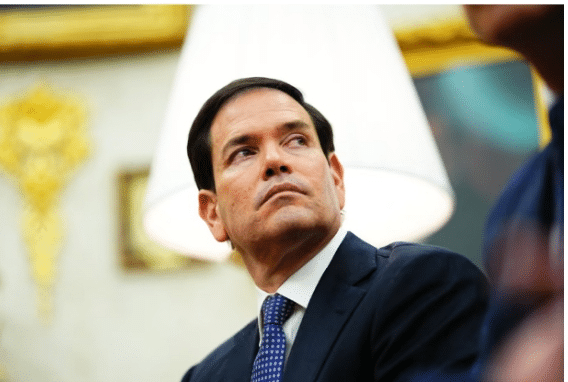
Marco Rubio concluded that any annexation in the West Bank must be carefully weighed to preserve the fragile Gaza deal, protect Palestinians, and maintain US credibility in the region.