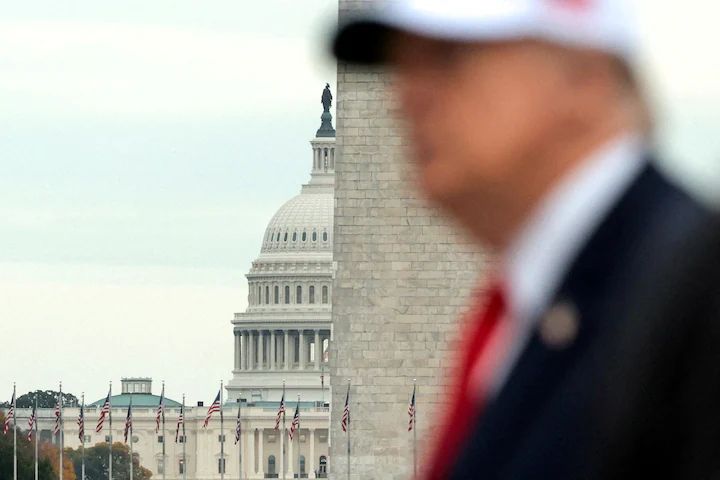
Trump’s foreign policy faces growing scrutiny following the Democrats’ victory in the November 3 midterm elections, but the president could retain considerable freedom to pursue his international ambitions despite the Republican Party’s crushing electoral losses.
The Democrats’ success has transformed the political balance in Washington, leaving President Donald Trump facing stronger congressional opposition, increased legislative oversight and renewed scrutiny of his administration’s decisions.
However, their return to control of Congress in January may not significantly restrict the president’s authority over international affairs, including military operations, diplomatic negotiations and America’s relationships with traditional allies and adversaries.
From the ongoing war against Iran to the conflicts involving Ukraine and Israel, Trump retains substantial constitutional powers that could allow him to continue pursuing his objectives during the final two years of his presidency.
The election has nevertheless raised questions about whether the Republican president will reconsider his controversial international decisions or become more determined to establish a lasting global legacy.
According to a November 5 report by Reuters, analysts believe Democrats could struggle to translate their electoral victory into meaningful restrictions on Trump’s international decisions.
Democrats prepare to challenge Trump’s foreign policy
The Democratic Party’s return to congressional power is expected to introduce a more confrontational relationship between the White House and lawmakers, particularly over military interventions and America’s international commitments.
Democratic lawmakers have accused Republicans of allowing Trump excessive freedom to pursue military operations and international initiatives without sufficient congressional scrutiny.
Their concerns extend beyond the ongoing conflict with Iran to include Russia’s war in Ukraine, Trump’s tariffs, the capture of Venezuela’s president and deadly American military strikes against boats off Latin America.
Senate Democratic leader Chuck Schumer said his party’s responsibility was to put a check on what he described as “Trump’s chaos at home and abroad”.
He also identified ending the Iran war as an important priority following the Democrats’ electoral success.
However, translating those political promises into practical changes could prove difficult because American presidents traditionally enjoy considerable independence in conducting foreign policy.
William Wechsler, senior director of Middle East programmes at the Atlantic Council, explained the limitations confronting the incoming Democratic-controlled Congress.
“A Democratic Congress has the ability to stop Trump’s domestic legislative agenda, but it doesn’t have much ability to stop a president from exercising his powers as commander-in-chief,” Wechsler said.
His assessment highlights the fundamental difference between congressional influence over domestic legislation and presidential authority over international military operations.
Investigations and funding restrictions could become Democratic weapons
Although Democrats may struggle to dictate presidential foreign policy directly, they have several legislative mechanisms available to challenge the administration.
These include congressional investigations, confirmation hearings for presidential nominees and the power to influence funding for military operations and international engagements.
Democrats could use these instruments to demand explanations from administration officials, scrutinise controversial decisions and make certain foreign policy initiatives more politically expensive.
Nevertheless, analysts believe these measures may not be sufficient to force Trump to abandon his preferred international strategy.
White House spokeswoman Anna Kelly defended the president’s record, maintaining that his administration had strengthened America’s international position.
“President Trump has effectively restored American strength on the global stage,” Kelly said.
She added that Trump would continue working with anyone willing to prioritise American interests and improve the livelihoods of families across the country.
Kelly also insisted that the president’s foreign policy decisions had never been motivated by domestic political considerations.
Trump could become more aggressive during his lame-duck presidency
The Republican Party’s electoral setback has intensified discussions about Trump’s political future and the possibility that he could increasingly concentrate on international affairs.
Presidents entering their lame-duck period often experience diminishing domestic influence because they cannot seek another term and their political authority gradually weakens.
For Trump, the next two years could provide an opportunity to concentrate on international negotiations, military decisions and initiatives intended to shape his historical legacy.
However, analysts warn that his determination to demonstrate presidential strength could create additional international instability.
Cuba has emerged as one possible flashpoint, particularly after Trump imposed an oil blockade against the communist-ruled island and repeatedly threatened further action.
Laura Blumenfeld, a foreign policy analyst at Johns Hopkins University, warned that Trump’s response to political pressure could involve unilateral military action.
“If triggered and cornered, Trump may elect to flex his presidential powers through unilateral use of force abroad,” Blumenfeld said.
Her assessment reflects concerns that congressional resistance could potentially encourage the president to demonstrate his authority through decisions that do not require extensive legislative approval.
Iran conflict presents Trump with difficult choices
The ongoing war involving Iran remains one of the most pressing challenges confronting the administration.
The conflict has contributed to rising American gasoline prices and declining presidential approval ratings, creating economic and political difficulties for Republicans ahead of the midterm elections.
Trump acknowledged that the war contributed to his party’s electoral defeat but maintained that he had no regrets about ordering attacks against the Islamic Republic.
He argued that military action was necessary to prevent Tehran from acquiring nuclear weapons, an ambition Iran has consistently denied pursuing.
Despite the electoral consequences, the president faces three broad options: launching another round of airstrikes, negotiating an agreement with Tehran or maintaining the existing military stalemate.
Each possibility carries significant consequences for American interests, global energy markets and regional security.
Sina Toossi, an Iran specialist at the Center for International Policy in Washington, cautioned against escalating the conflict.
“Escalation offers no clear path to victory and risks compounding the very economic grievances that drove voters to punish Republicans,” Toossi said.
Iranian leaders have welcomed what they consider Trump’s domestic political humiliation, while officials familiar with Washington’s deliberations believe further American military action remains possible.
One source suggested Trump could feel he had “nothing to lose” politically following the Republican electoral defeat.
However, another military escalation could deepen disagreements within Trump’s MAGA movement, particularly among supporters who believed his 2024 campaign promises to avoid foreign military interventions.
Vice President JD Vance has also distanced himself from the administration’s Iran policy, questioning whether the conflict justified its economic and political costs.
Democrats target Trump’s Ukraine and Israel policies
Beyond Iran, the incoming Democratic-controlled Congress intends to challenge several aspects of Trump’s approach to international conflicts, particularly his positions on Ukraine and Israel.
Democrats are expected to pursue renewed American support for Ukraine as the country continues defending itself against Russia’s invasion.
Trump previously halted direct American assistance, creating concerns among supporters of Kyiv about the long-term reliability of Washington’s military commitment.
Democratic lawmakers hope to persuade moderate Republicans to support additional assistance and establish a congressional majority capable of sustaining such measures even if Trump threatens to veto them.
Ukraine support could become a major congressional battle
The president’s decision to lift sanctions on Russian diesel exports has already attracted criticism, including from some Republicans.
Critics argue that the decision strengthens the perception that Washington is becoming increasingly accommodating towards Moscow.
Democrats also want to repair America’s strained relationships with European allies and Canada, which have been affected by Trump’s tariffs and diplomatic pressure tactics.
However, congressional lawmakers cannot independently restore international confidence in American leadership while the president continues pursuing policies that create uncertainty among traditional allies.
The disagreement over Ukraine could therefore become an important test of how effectively Democrats can use their new congressional majority to challenge the administration.
Israel faces growing opposition in Congress
Israel could also encounter a less supportive American Congress following the Democratic electoral victory.
Several Democratic candidates who secured victories during the midterms campaigned against American military assistance to Israel and Washington’s involvement in the war against Iran.
They are expected to push for restrictions on billions of dollars in annual assistance traditionally provided to the Israeli government.
Trump himself announced on Election Day that American assistance to Israel would stop at the end of the year, although questions remain about whether he possesses the legal authority to implement that decision independently.
Israel’s military campaign in Gaza, Prime Minister Benjamin Netanyahu’s close relationship with Trump and the Republican Party, and increasing settler violence in the occupied West Bank have contributed to weakening traditional bipartisan support for Israel.
Consequently, the incoming Congress could intensify scrutiny of Washington’s longstanding relationship with the Israeli government.
Nevertheless, Trump’s presidential veto power could prevent Democrats from implementing significant changes without sufficient support from Republicans.
Trump’s foreign policy legacy could determine his next moves
Despite the Democrats’ electoral breakthrough, analysts believe Trump’s personal ambitions and determination to shape international affairs will remain central to his foreign policy decisions.
His approach to Iran, Ukraine, Israel, China and other international challenges could increasingly reflect his desire to establish a historical reputation as a president who exercised American power decisively.
Ross Harrison, a senior fellow at the Middle East Institute, offered an assessment of the president’s motivations during a webcast organised by the Washington-based think tank.
“He’s concerned about his legacy of having left an imprint on the world, not necessarily a positive imprint,” Harrison said.
His observation suggests that Trump’s international decisions may not necessarily be guided by the desire to secure immediate political victories at home.
Instead, the president could concentrate on initiatives that he believes will define his place in American history, even when those decisions attract criticism domestically and internationally.
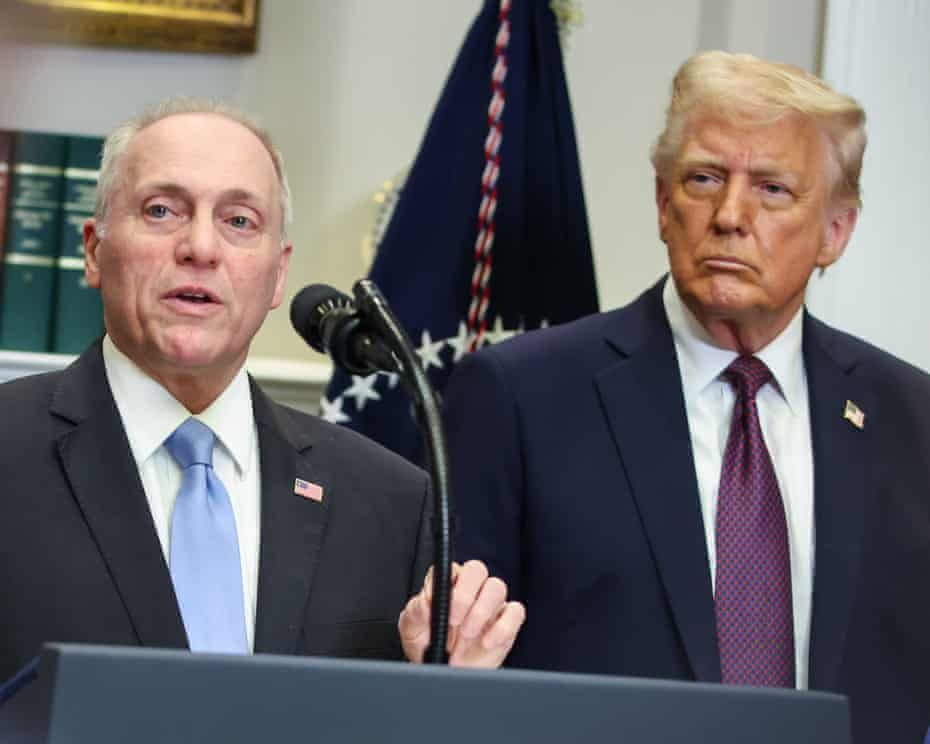
The Democrats’ congressional victory therefore represents a significant political setback for Trump without necessarily removing his ability to pursue controversial international objectives.
Ultimately, the next two years could produce an increasingly confrontational relationship between Congress and the White House, with Iran, Ukraine and Israel emerging as major battlegrounds.
Although Democrats will have stronger oversight powers, Trump’s constitutional authority, military command and veto powers could preserve much of his freedom of action abroad.
The central question is whether Trump will moderate his international ambitions following the Republican electoral defeat or use his remaining time in office to pursue an even more aggressive global legacy.
About The Author