Israel-Lebanon Ceasefire Tested Hours After Truce Takes Effect
Israel-Lebanon Ceasefire efforts suffered an immediate setback after Israeli airstrikes reportedly killed at least 10 people in Lebanon only hours after a truce came into force. The renewed violence has raised serious concerns about the durability of the agreement and cast fresh doubt over diplomatic efforts aimed at reducing tensions across the Middle East.
The ceasefire had been viewed as a crucial first step toward broader regional stability and a potential pathway to renewed negotiations between the United States and Iran. However, the latest escalation highlights the deep mistrust among the parties involved and underscores the fragile nature of agreements reached amid ongoing conflict.
Military operations resumed despite international hopes that the truce would create space for diplomacy. With casualties mounting and accusations flying between Israel and Hezbollah, observers fear the region could once again slide into a wider confrontation.
According to Reuters, the ceasefire was a key condition for launching a proposed 60-day diplomatic process between Washington and Tehran aimed at resolving disputes over Iran’s nuclear programme and restoring broader regional stability.
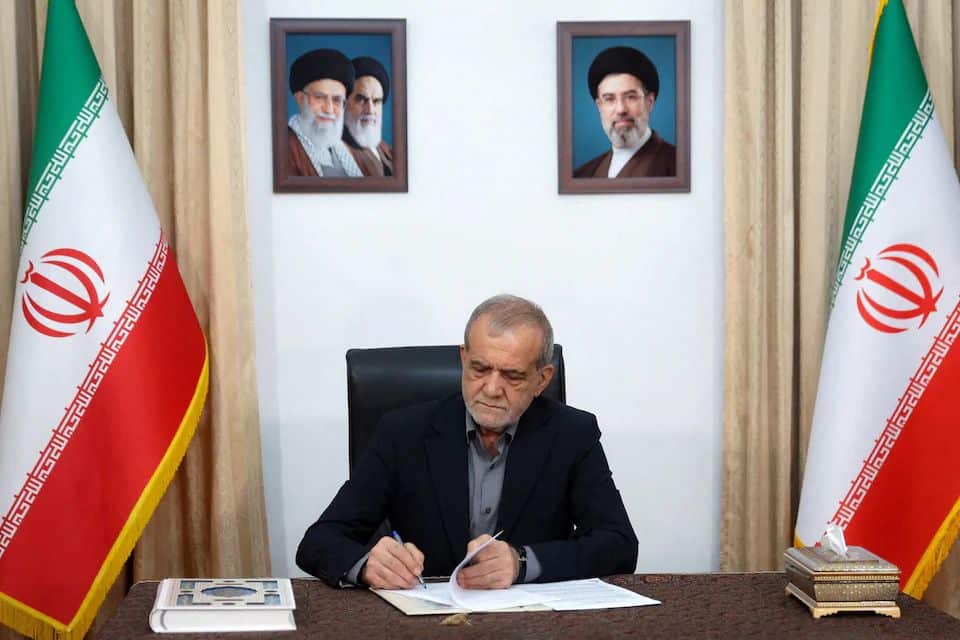
Fresh Violence Erupts After Ceasefire Agreement
The ceasefire officially took effect following mediation efforts aimed at halting hostilities and creating conditions for broader negotiations involving regional and international stakeholders.
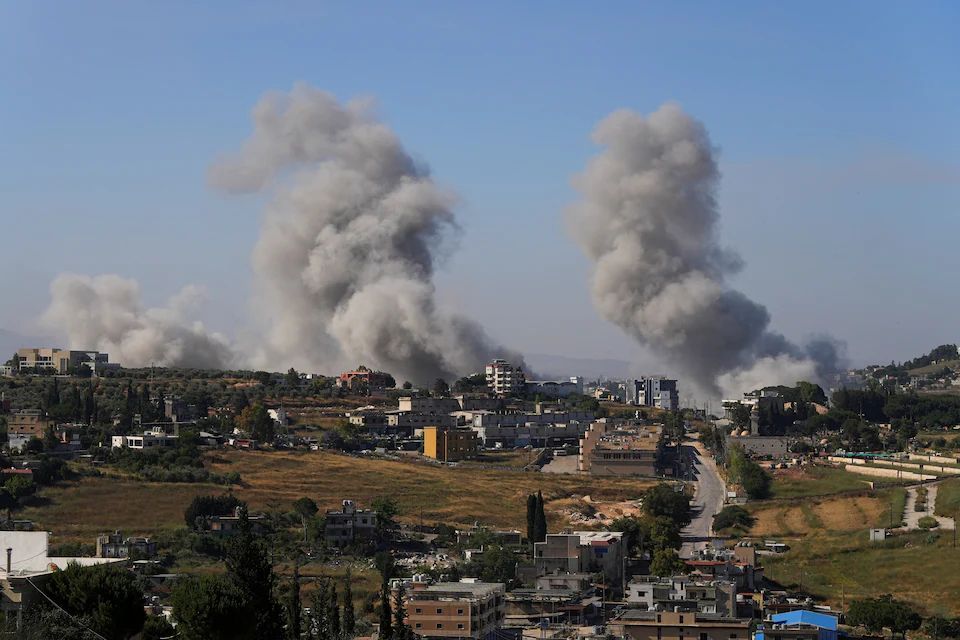
Yet within hours, reports emerged of Israeli military operations targeting locations across southern Lebanon and the Bekaa Valley, areas widely regarded as strongholds of Hezbollah.
Israeli officials stated that the strikes were launched in response to attacks against Israeli forces stationed in southern Lebanon. According to military sources, more than 50 projectiles were allegedly fired toward Israeli positions overnight.
The Israeli military argued that its response was necessary to protect personnel and neutralize threats originating from areas under Hezbollah influence.
An Israeli military official said Hezbollah had fired “more than 50 projectiles” at Israeli forces in southern Lebanon, prompting retaliatory strikes against what Israel described as Hezbollah targets.
The exchange of accusations quickly exposed the challenges facing efforts to preserve the ceasefire and prevent further deterioration of security conditions.
Hezbollah Rejects Israeli Military Presence
Hezbollah signaled that it would continue opposing Israeli military operations inside Lebanese territory despite the ceasefire arrangement.
A senior Hezbollah official indicated that the group would not accept unrestricted Israeli military activity in Lebanon and rejected any return to conditions that existed before the latest phase of fighting began.
A senior Hezbollah official said the group would not allow Israel “freedom of movement” inside Lebanese territory and would not accept a return to the situation that existed before March 2.
The statement reflects one of the central disagreements complicating efforts to stabilize the situation. While Israel maintains that its military presence is necessary to address security concerns, Hezbollah considers that presence unacceptable and views continued operations as a violation of Lebanese sovereignty.
This fundamental dispute remains a significant obstacle to establishing lasting calm.
Political analysts note that unless the issue of military deployments is addressed, future violations of the ceasefire remain highly likely.
Deadly Strikes Hit Residential Areas
Among the deadliest incidents reported was an airstrike on a residential building in the town of Barish within Lebanon’s Tyre district.
Local officials said a family of four, including two children, was killed when the building was struck. The attack has intensified concerns about civilian casualties and the humanitarian consequences of continued military operations.
Lebanese authorities also reported the death of a soldier following another strike in the Nabatieh region.
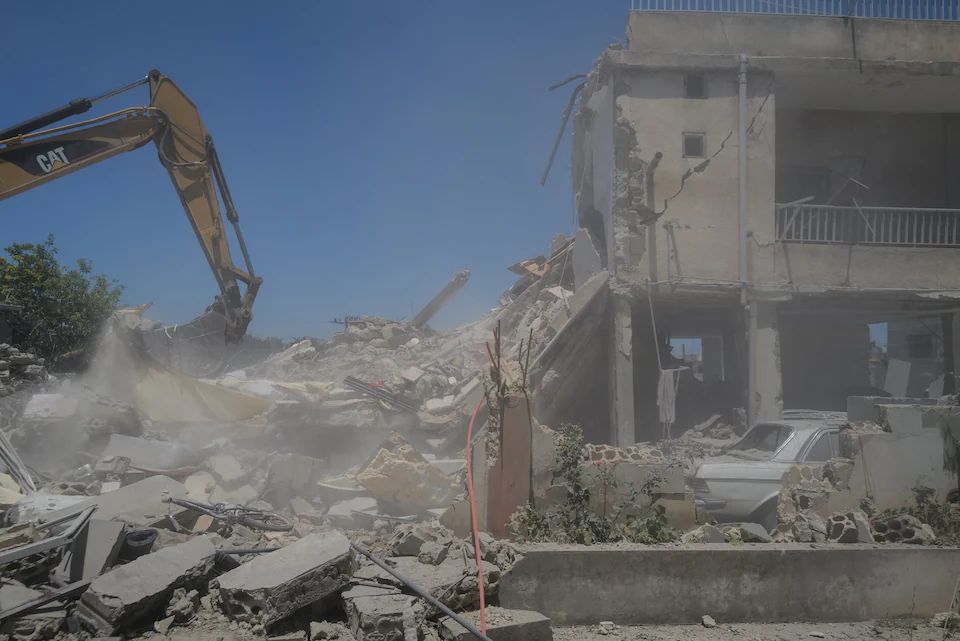
Images from affected areas showed rescue workers searching through debris and assisting survivors amid widespread destruction.
Humanitarian organizations have repeatedly warned that civilians continue to bear the greatest burden of the conflict.
The latest attacks have renewed fears that civilian communities could remain trapped between military objectives and political disagreements, even after a ceasefire agreement was announced.
Rising Death Toll Fuels International Concern
The latest casualties add to an already devastating human toll across Lebanon and the wider region.
Lebanese health authorities report thousands of deaths since the conflict escalated earlier this year, including women, children, healthcare workers and other civilians.
Israeli officials have also reported military and civilian casualties resulting from attacks carried out by Hezbollah and its allies.
The continuing cycle of violence has deepened fears that regional instability could persist despite repeated diplomatic efforts.
International observers have called on all sides to exercise restraint and uphold commitments made under the ceasefire agreement.
Many governments view the truce as an essential foundation for broader peace initiatives that could prevent the conflict from expanding further.
Israeli military spokesperson Ella Waweya defended her country’s position and argued that military operations were focused on security threats rather than civilians.
“Calm and stability can be achieved if Hezbollah ceases its hostile activities and violations of agreements.”
She added that Israel’s military presence in Lebanon was intended to remove threats and dismantle Hezbollah infrastructure rather than target civilians.
U.S.-Iran Talks Face Uncertainty
The future of U.S.-Iran talks remains one of the most significant unanswered questions arising from the latest developments.
Diplomatic efforts have focused on transforming a temporary understanding into a more comprehensive agreement addressing Iran’s nuclear programme, sanctions relief and regional security concerns.
The ceasefire in Lebanon was widely seen as a prerequisite for advancing those discussions.
Under the proposed framework, military operations involving regional allies and partners were expected to cease, creating conditions for sustained negotiations.
However, continued fighting now threatens to complicate those plans and potentially delay any meaningful diplomatic progress.
Officials involved in mediation efforts have remained cautious about publicly discussing timelines for future meetings.
The uncertainty surrounding future negotiations has increased concerns among diplomats seeking to transform the temporary agreement into a broader settlement.
U.S. officials have yet to clarify when formal talks might begin, while several mediating countries continue behind-the-scenes discussions aimed at preserving diplomatic momentum.
International Mediators Continue Efforts
Several countries have continued working behind the scenes to prevent the collapse of diplomatic momentum.
Pakistan, Qatar and Switzerland have all played roles in facilitating contacts between relevant parties and encouraging dialogue.
Reports indicate that senior officials have held consultations aimed at preserving the framework established by recent negotiations.
At the same time, uncertainty persists regarding possible meetings involving senior American and Iranian representatives.
Neither side has provided a clear timetable for substantive discussions, leaving analysts uncertain about when formal negotiations may resume.
The lack of clarity has contributed to growing skepticism about the prospects for a comprehensive settlement.
Economic Stakes Extend Beyond the Battlefield
The consequences of the conflict reach far beyond military and political considerations.
Global energy markets have reacted nervously to developments in the Middle East, particularly concerns surrounding the Strait of Hormuz, one of the world’s most important shipping routes for oil exports.
Any prolonged instability could disrupt supplies, increase transportation risks and contribute to higher energy prices worldwide.
Economists warn that sustained volatility could also fuel inflation and place additional pressure on economies already facing significant challenges.
The international community therefore has a strong interest in preventing further escalation and supporting diplomatic solutions.
President Donald Trump also weighed in on the emerging agreement and criticism from political opponents.
“The War has diminished Iran!”
The U.S. president further insisted that Washington negotiated from a position of strength, adding:
“We didn’t meet out of desperation, Iran did. They are FINISHED! We’ll play out the 60 days.”
His comments reflect the political sensitivity surrounding the proposed framework and the wider debate over concessions offered during negotiations.
Can Diplomacy Survive the Latest Setback?
The Israel-Lebanon Ceasefire was intended to mark the beginning of a broader effort to reduce tensions and create opportunities for dialogue. Instead, the agreement has immediately come under strain as violence resumed and casualties mounted.
Read also:Bedford train collision leaves driver dead, 89 injured as major rail accident investigation begins
The coming days will likely determine whether leaders can salvage the ceasefire and restore confidence in the diplomatic process.
Much will depend on the willingness of all parties to avoid further escalation and engage constructively with mediators seeking a peaceful resolution.
“For now, uncertainty continues to dominate both the battlefield and the negotiating table.”
While diplomats work to preserve momentum toward peace, events on the ground serve as a stark reminder of how fragile stability remains in the Middle East.
The latest developments demonstrate that securing a lasting peace will require more than temporary agreements. Sustainable stability will depend on addressing the underlying political, territorial and security disputes that continue to fuel conflict across the region. Until then, both military confrontations and diplomatic uncertainty are likely to remain defining features of the Middle East landscape.