


US attacks Iranian radar sites after Tehran launched drones toward the strategically vital Strait of Hormuz, marking the latest escalation in a conflict that has rattled global energy markets, threatened maritime security, and complicated ongoing efforts to broker peace in the Middle East.
The U.S. military said American forces intercepted four Iranian drones believed to be targeting maritime traffic before launching retaliatory strikes against surveillance and radar facilities located on Iran’s southern coastline. The exchange represents another dangerous chapter in the ongoing US-Iran conflict, which has already disrupted shipping routes, increased oil prices, and raised fears of a broader regional war.
The latest developments come as diplomatic efforts to secure an interim ceasefire continue to struggle amid persistent military confrontations across the Gulf and neighboring countries.
US Military Launches Retaliatory Strikes
According to U.S. Central Command, the operation began after Iranian drones were detected flying toward the Strait of Hormuz, a narrow but strategically critical waterway through which a significant portion of the world’s oil supply normally passes.
American military officials assessed that the drones posed a potential threat to maritime traffic operating in the area. Following their interception, U.S. forces launched precision strikes against Iranian radar and surveillance facilities located in Goruk and on Qeshm Island.
Military officials described the targeted sites as important components of Iran’s coastal monitoring network, which provides surveillance coverage over shipping lanes in the Gulf region.
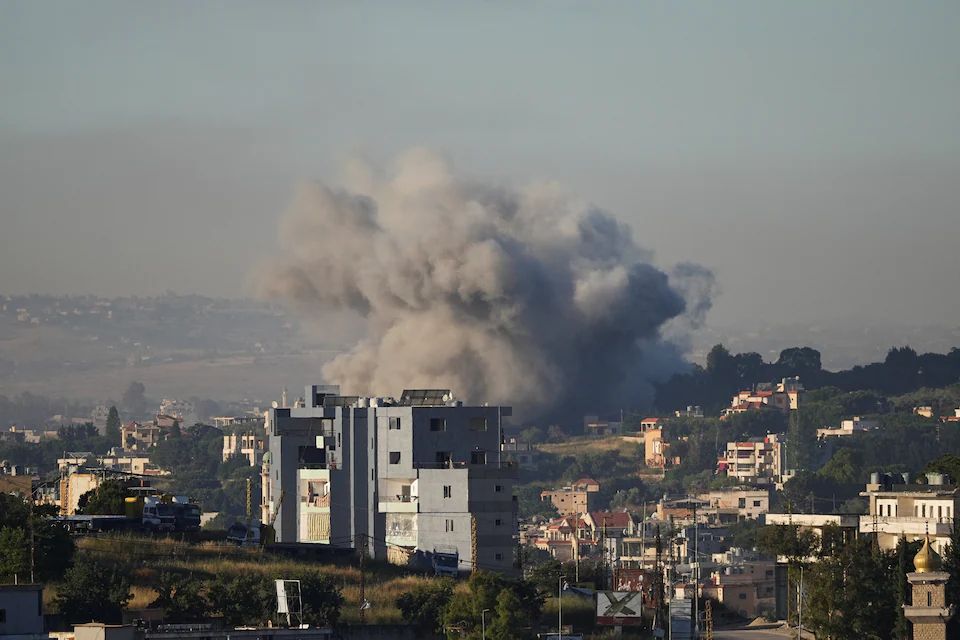
The strikes underscore Washington’s determination to protect commercial shipping routes while maintaining pressure on Tehran as negotiations over a possible ceasefire remain deadlocked.
Why the Strait of Hormuz Matters
The Strait of Hormuz has become one of the most important flashpoints in the conflict.
Situated between Iran and the Arabian Peninsula, the narrow waterway serves as a vital corridor for global energy exports. Before the current conflict erupted, approximately one-fifth of the world’s oil shipments moved through the strait.
Any disruption to maritime traffic in the area immediately affects international energy markets and shipping operations.
Since the outbreak of hostilities earlier this year, commercial vessels have faced increasing risks from drone attacks, missile launches, and naval confrontations. Several shipping companies have either rerouted vessels or delayed movements through the region due to security concerns.
Analysts warn that prolonged instability in the Strait of Hormuz could have significant consequences for global fuel prices and international trade.
Iran Responds With Missile and Drone Claims
Iran’s Revolutionary Guard Corps claimed responsibility for missile attacks targeting U.S. military facilities in the Gulf region and said it had taken action against tankers attempting to transit the strait without authorization.
The Iranian military also claimed responsibility for attacks against American positions in Bahrain and Kuwait.
Authorities in Kuwait reported that air defense systems intercepted incoming missiles and drones, while Bahrain activated emergency warning systems and instructed residents to seek shelter as a precautionary measure.
However, the U.S. military said most of the incoming threats were neutralized before reaching their intended targets.
Officials stated that six missiles were intercepted and another failed to complete its trajectory.
The competing claims highlight the growing complexity of the conflict, where information warfare has become nearly as significant as military operations on the ground.
Trump Says Iran’s Missile Arsenal Has Been Severely Reduced
President Donald Trump offered a new assessment of Iran’s military capabilities during an interview with NBC’s “Meet the Press.”
According to Trump, sustained military operations have significantly weakened Iran’s missile production infrastructure and reduced its available stockpile.
“They have some missiles, they have some drones. I would say percentage wise, maybe 21%-22% of their missiles.”
The president suggested that although Tehran retains the ability to launch attacks, its capacity has been dramatically reduced compared to the beginning of the conflict.
Trump’s comments reflect growing confidence within the administration that sustained military pressure has degraded Iran’s offensive capabilities.
However, military analysts caution that even a reduced missile inventory can pose substantial threats given the range and destructive potential of modern ballistic weapons.
Why Peace Talks Remain Difficult
Despite months of indirect negotiations, both Washington and Tehran remain divided on several critical issues.
Iran is seeking broader sanctions relief, access to billions of dollars in frozen oil revenues, and the removal of restrictions affecting its ports and exports.
Tehran also wants guarantees regarding future economic engagement and international trade.
The United States, meanwhile, continues to push for security commitments and broader regional stability measures before agreeing to major concessions.
When asked why Iran had not moved more quickly toward a settlement despite suffering military setbacks, Trump emphasized the role of national pride.
“Because they are strong. They’re proud. There are things they never thought they’d be doing that they’re going to have to do.”
The comments highlight the political and psychological factors that continue to complicate diplomatic efforts.
Economic Consequences Continue to Mount
The conflict has produced significant economic consequences far beyond the battlefield.
Oil markets remain highly sensitive to developments in the Gulf region, particularly any threats involving the Strait of Hormuz.
Energy prices have experienced periods of volatility as investors react to military developments and uncertainty surrounding future shipping activity.
Higher transportation costs have also affected global supply chains, increasing expenses for businesses and consumers alike.
Humanitarian organizations have warned that rising fuel prices are making it more difficult to deliver food and aid supplies to vulnerable populations across multiple regions.
Economists caution that prolonged instability could further strain international markets already facing challenges from inflation and slowing economic growth.
Lebanon Emerges as Another Major Flashpoint
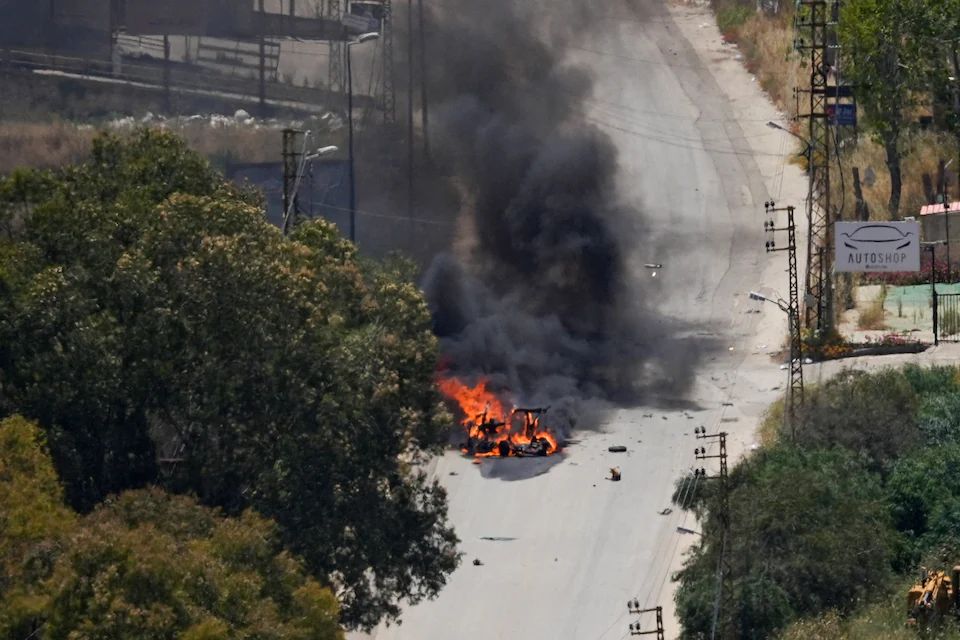
While the United States and Iran continue their confrontation, violence has intensified in neighboring Lebanon.
The Iran-backed Hezbollah movement has launched attacks against Israeli military positions in southern Lebanon, further complicating efforts to reduce regional tensions.
Hezbollah fighters reported carrying out operations against Israeli forces near recently contested areas, while Lebanese security officials reported additional Israeli airstrikes targeting locations in southern Lebanon.
The violence has persisted despite multiple ceasefire initiatives and diplomatic interventions.
Iran has publicly reaffirmed its support for Hezbollah and has linked broader regional peace efforts to developments along the Israel-Lebanon border.
Iran Demands Israeli Withdrawal
Tehran has made clear that any comprehensive regional settlement must address the situation in southern Lebanon.
Iranian officials insist that Israel must withdraw from territory it currently occupies before a lasting ceasefire can be achieved.
Hezbollah leader Naim Qassem recently rejected a U.S.-backed proposal aimed at reducing violence in Lebanon, arguing that the agreement failed to secure an Israeli withdrawal and did not adequately address the group’s concerns.
Israeli officials, meanwhile, have indicated that military operations will continue as long as they consider security threats to remain active.
The disagreement has become another major obstacle to broader diplomatic efforts.
Regional Ceasefires Struggle to Hold
Across the Middle East, several ceasefire arrangements have faced repeated violations.
Residents in Lebanon, Gaza, northern Israel, Bahrain, Kuwait, and other areas have experienced renewed military activity despite multiple agreements intended to reduce hostilities.
Diplomatic observers say the challenge lies in the interconnected nature of the region’s conflicts.
Progress in one area is often tied to developments elsewhere, making negotiations particularly difficult.
As a result, military flare-ups continue to undermine confidence in ongoing peace initiatives.
Outlook Remains Uncertain
The latest confrontation involving drone launches, missile interceptions, and retaliatory strikes demonstrates how fragile the regional situation remains.
Although diplomatic channels remain open, neither side appears ready to make the concessions necessary for a comprehensive agreement.
The continued importance of the Strait of Hormuz, ongoing tensions involving Hezbollah, and concerns over regional security ensure that the conflict will remain a major focus of international attention.
For now, the world is watching closely as Washington and Tehran balance military pressure with diplomatic engagement in an increasingly volatile Middle East.
About The Author
