US-Iran talks have entered a tense phase after Iran rejected direct negotiations with American officials, even as U.S. envoys travel to Islamabad for renewed diplomatic efforts aimed at easing escalating tensions.
The development highlights a widening diplomatic gap between Washington and Tehran, despite continued attempts to maintain communication through intermediaries.
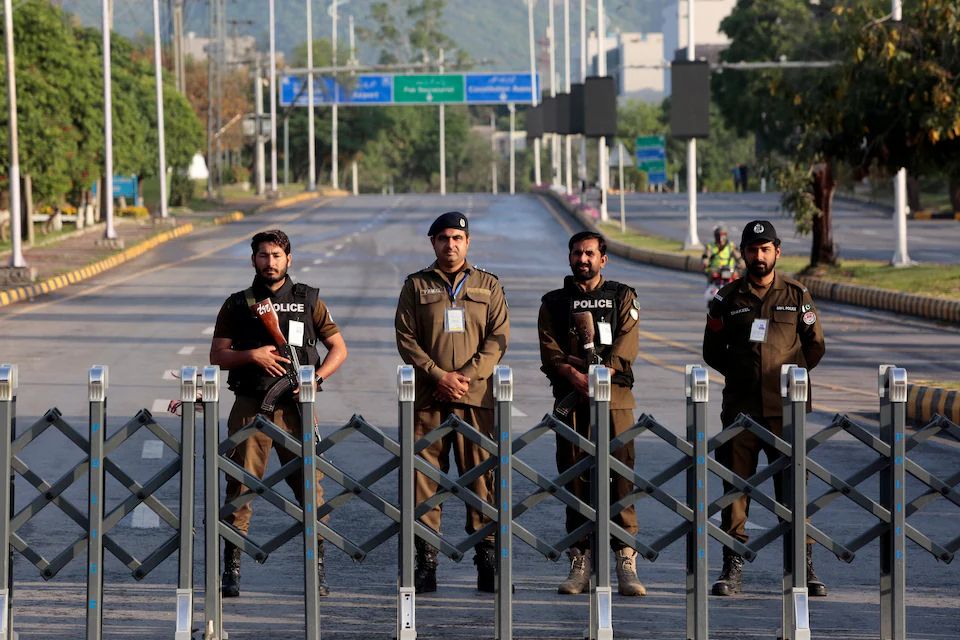
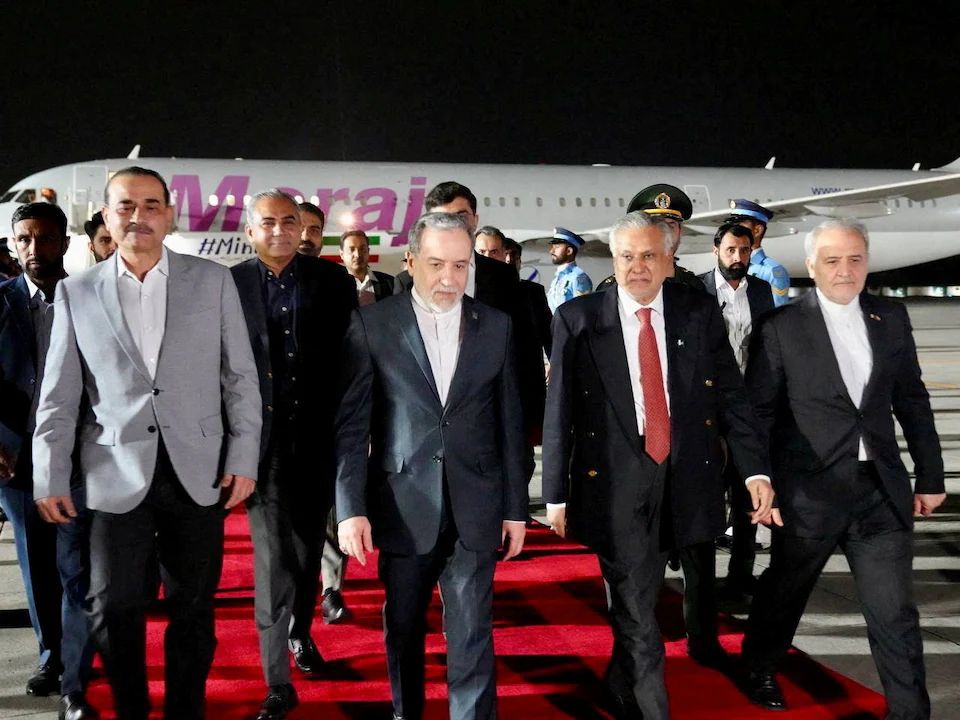
Officials linked to U.S. President Donald Trump confirmed that senior U.S. envoys are heading to Islamabad for discussions intended to reduce tensions and explore possible diplomatic pathways forward.
Iran’s foreign ministry, however, has stated clearly that it will not engage in direct, face-to-face talks with U.S. representatives, insisting instead on indirect communication through mediators, with Pakistan playing a central role.
According to Reuters, this standoff reflects deep mistrust between both sides, shaped by years of geopolitical rivalry, sanctions pressure, and recent regional conflict.
A U.S. official said, “Iran knows that they still have an open window to choose wisely,” underscoring Washington’s belief that diplomacy is still possible despite the current deadlock.
Iran’s position appears designed to preserve leverage while avoiding direct political engagement under pressure, a strategy analysts say allows Tehran to control the pace and optics of negotiations.
At the same time, the United States is attempting to keep diplomatic channels open, viewing indirect talks as better than a complete breakdown in communication.
Pakistan’s role as mediator has become increasingly important, with Islamabad acting as a neutral platform for messages between the two sides.
The upcoming discussions in Islamabad are therefore being viewed as part of a broader diplomatic process rather than a decisive breakthrough moment.
Iran refuses direct negotiations amid mounting pressure
Iran’s refusal to engage directly comes at a time of rising economic and political pressure, as the conflict continues to affect regional stability and global energy markets.
A spokesperson for Iran’s foreign ministry reiterated that Tehran will only communicate through intermediaries, reinforcing its preference for controlled and indirect diplomacy.
U.S. officials have acknowledged the setback but maintain that any form of dialogue is preferable to no communication at all.
President Donald Trump indicated that Iran may still present an offer aimed at addressing U.S. demands, although details remain unclear.
“We’re dealing with the people that are in charge now,” he said, suggesting that communication channels remain open despite the absence of direct talks.
Reuters reported that previous rounds of discussions have failed to produce a breakthrough but have helped maintain limited diplomatic contact during periods of heightened tension.
Experts note that indirect negotiations often serve as a preparatory stage, allowing both sides to test flexibility before committing to formal engagement.
However, this approach can slow progress and increase the risk of miscommunication, particularly in fast-moving crisis environments.
Despite these challenges, neither side appears willing to abandon diplomacy entirely at this stage.
The upcoming Islamabad discussions are therefore seen as an important continuation of engagement rather than a final resolution point.
Strait of Hormuz crisis deepens global concerns
The diplomatic standoff is unfolding alongside the worsening Strait of Hormuz crisis, which has sharply disrupted global shipping and energy flows.
Recent reports indicate a significant decline in vessel traffic through the Strait, a critical route for global oil shipments, raising concern among energy-importing nations.
This reduction has contributed to rising oil prices and increased volatility in global markets.
Economists warn that prolonged disruption could fuel inflation and slow economic growth across multiple regions.
The Strait of Hormuz remains one of the world’s most important energy chokepoints, making instability in the area a global economic risk.
Reuters noted that only a small number of ships have passed through recently compared to normal traffic levels before the escalation.
The decline reflects both security concerns and broader geopolitical uncertainty affecting maritime operations.
Governments and energy companies are closely monitoring the situation, assessing potential risks to supply chains.
The crisis has also increased urgency around diplomatic efforts, as stability in the region is directly tied to global energy security.
While uncertainty remains high, continued indirect engagement between the U.S. and Iran offers a limited but important diplomatic channel.
Read also: Hegseth escalates Strait of Hormuz tensions as Europe told to ‘get in a boat’ amid US burden-sharing row https://ireport247news.com/hegseth-escalates-strait-of-hormuz-tensions/
The outcome of discussions in Islamabad could significantly influence both regional stability and global market conditions in the weeks ahead.
For now, US-Iran talks remain fragile, with progress dependent on whether indirect diplomacy can evolve into more substantive negotiation.