

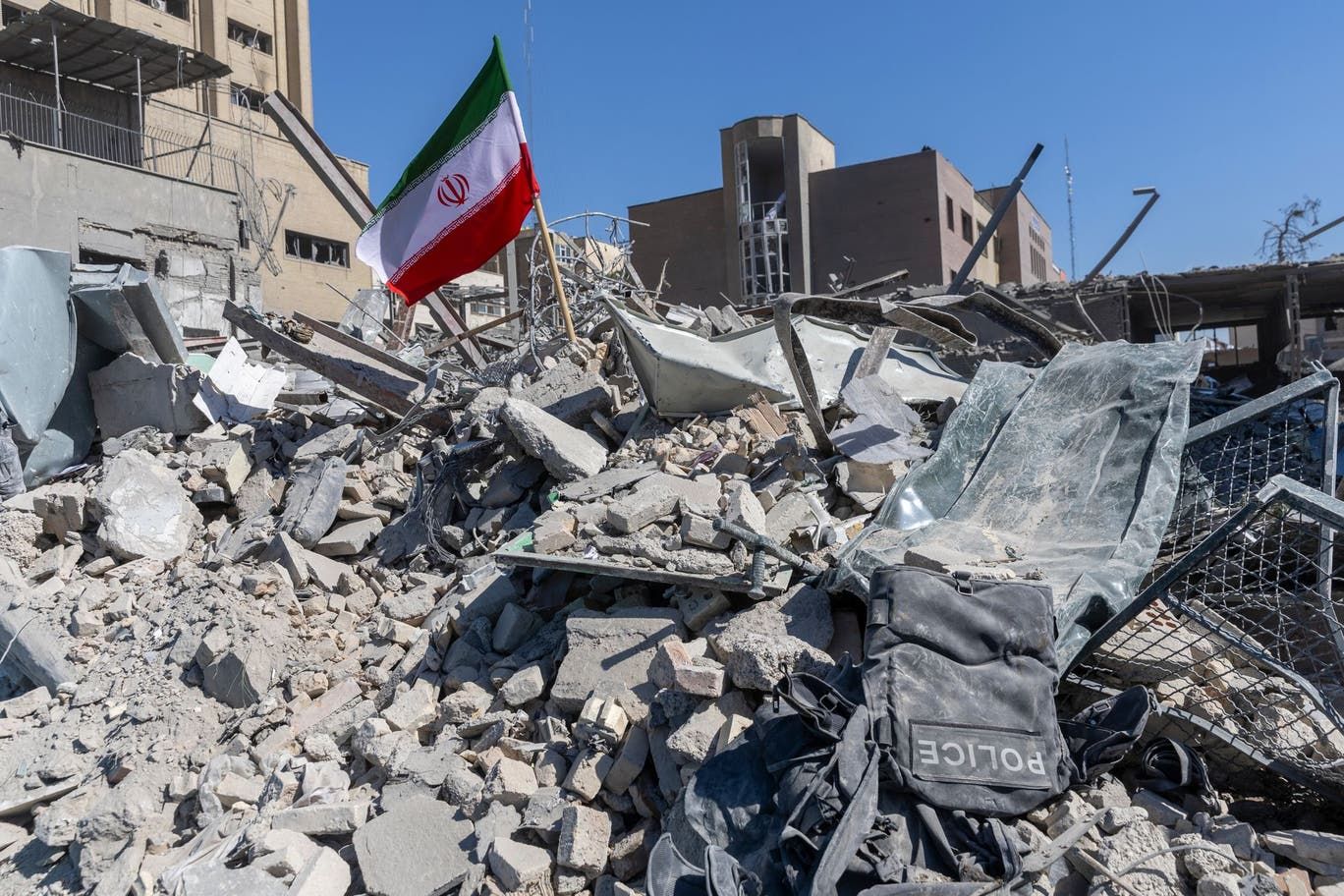
The Iran Trump peace plan rejected by Tehran has intensified global concern, as Iranian officials openly ridicule the proposal and signal continued resistance despite diplomatic pressure and growing military presence.
Iran’s reaction to the proposal introduced by Donald Trump has been swift and scathing, with senior figures dismissing it as unrealistic, excessive, and fundamentally disconnected from regional realities.
A high-ranking Iranian official described the plan as “extremely maximalist and unreasonable,” reinforcing Tehran’s stance that the proposal fails to respect its sovereignty or acknowledge its strategic interests.
Another official sharply criticised the framework, stating, “It is not even beautiful on paper,” directly countering earlier remarks from Israeli officials who had cautiously endorsed aspects of the proposal.
The proposal reportedly includes demands for Iran to dismantle its nuclear programme, restrict missile capabilities, and sever ties with regional proxy groups considered central to its influence.
It also calls for reopening critical maritime routes, particularly the Strait of Hormuz, a vital artery for global oil shipments and a key geopolitical leverage point for Iran.
Iranian authorities rejected these conditions outright, arguing that they disproportionately favour Western and Israeli interests while undermining Iran’s national security framework and regional influence.

The broader context of the dispute stems from escalating tensions following the death of Ayatollah Ali Khamenei, which triggered significant instability and intensified hostilities across the Middle East.
Since that moment, diplomatic channels have remained strained, with both sides exchanging strong rhetoric while leaving little room for immediate compromise or constructive negotiations.
Iran confirmed that its response is being communicated through intermediaries, with Pakistan reportedly playing a central role in relaying messages between Tehran and Washington.
This indirect approach reflects Tehran’s reluctance to engage directly with the United States, particularly amid ongoing military deployments and deep mistrust between the two nations.
Meanwhile, the United States has announced plans to deploy additional troops to the region, signalling a strategy that combines diplomatic initiatives with military preparedness.
Reports indicate that elite airborne units are among those mobilised, capable of rapid deployment into volatile areas where control can shift quickly under evolving battlefield conditions.
US officials have framed the troop deployment as a precautionary measure, though critics warn it could further escalate tensions in an already volatile environment.
Within Washington, political leaders have expressed confidence that operations will proceed effectively, with expectations that objectives can be achieved within a relatively short timeframe.
However, analysts caution that Iran’s resilience and network of regional alliances may complicate efforts, potentially prolonging conflict and increasing the risk of broader instability.
Iranian state media has outlined counter-demands for any ceasefire agreement, including a complete halt to aggression and guarantees that hostilities will not resume in the future.
Additional demands include compensation for damages caused during the conflict and the cessation of attacks involving allied groups across the Middle East.
These conditions underscore Tehran’s insistence on long-term assurances rather than temporary agreements that could collapse under shifting political or military pressures.
Iran has also emphasised the importance of recognising its authority over strategic areas, reinforcing its broader objective of maintaining regional influence and deterrence capabilities.
Military spokespersons have adopted a defiant tone, insisting that Iran will continue operations until achieving what they describe as “complete victory” over its adversaries.
One spokesperson mocked US diplomacy, questioning whether internal disagreements had weakened Washington’s negotiating position and strategic clarity in addressing the conflict.
“Don’t call your failure an agreement,” the official added, highlighting the deep scepticism within Iran’s leadership toward the US proposal.
At the same time, Iran announced that the Strait of Hormuz would be open to “non-hostile vessels,” signalling conditional cooperation while maintaining strict control over the passage.
Global markets have responded cautiously, with oil prices experiencing fluctuations amid uncertainty surrounding supply routes and potential disruptions in the region.
European nations have taken a measured stance, offering defensive support but avoiding direct involvement in the conflict, reflecting concerns about escalation.
Officials at Downing Street stated that they welcome “any productive talks” between the United States and Iran, signalling cautious optimism.
Despite such statements, Europe remains largely on the sidelines, balancing diplomatic engagement with the need to avoid deeper entanglement in the conflict.
The situation continues to evolve rapidly, with mixed signals from both sides creating uncertainty about the prospects for peace or further escalation.
Observers note that while diplomatic channels remain open, the gap between both sides’ expectations appears significant and difficult to bridge in the near term.
Iran’s outright rejection of the proposal underscores the challenges facing any negotiated settlement, particularly amid heightened tensions and entrenched positions.
At the same time, the US appears determined to pursue a dual-track approach, combining diplomacy with military pressure to influence Iran’s decision-making.
This strategy, however, carries risks, as increased military presence could provoke further resistance rather than encourage compromise from Tehran.
Regional allies are also closely monitoring developments, aware that any escalation could have far-reaching consequences for security and economic stability.
Energy markets remain particularly sensitive to developments involving the Strait of Hormuz, given its critical role in global oil transportation.
Read also:Denmark coalition talks begin as election leaves no clear majority
Any disruption to shipping through the waterway could have immediate and significant impacts on global energy prices and supply chains.
As tensions persist, the international community continues to call for restraint and renewed efforts toward dialogue to prevent further escalation.
Whether such calls will lead to meaningful progress remains uncertain, given the current climate of mistrust and conflicting strategic priorities.
For now, the rejection of the proposal highlights the complexity of the conflict and the difficulty of achieving consensus among deeply divided parties.
More: Ireport247news
About The Author
