Iran accuses Donald Trump of encouraging unrest, destabilization as tensions escalate between Tehran and Washington following days of nationwide protests, diplomatic warnings at the United Nations, and renewed accusations of foreign interference in Iran’s internal affairs.
The claims were formally raised by Iran’s ambassador to the UN, Amir Saeid Iravani, who accused the US president of openly encouraging political destabilisation and inciting violence through public statements directed at Iranian citizens.
In a letter addressed to the UN Security Council, Iravani said recent remarks by Trump amounted to direct interference in the sovereignty of the Islamic Republic, arguing that calls for Iranians to continue protesting and seize control of state institutions crossed diplomatic red lines.
The letter came after Trump told US media outlets that “the endgame is to win” Iran and urged protesters to “keep protesting” and to “take over your institutions … Help is on its way,” remarks that Iranian officials say emboldened unrest on the streets.
The accusations were made as Iran acknowledged a significant death toll linked to demonstrations that have spread across multiple cities.
Iranian state television confirmed reports of fatalities but blamed the violence on what it described as “armed and terrorist groups,” rather than peaceful demonstrators.
Ahmad Mousavi, head of the Martyrs Foundation, was quoted as saying that organised groups were responsible for attacks during the unrest, reinforcing the government’s position that external actors were exploiting domestic grievances.
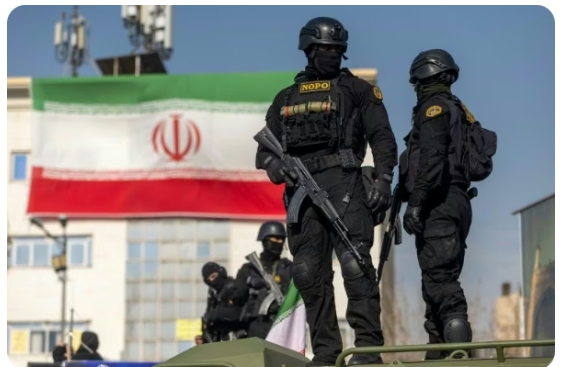
Iran’s judiciary has adopted an increasingly hardline tone in response to the protests.
Chief Justice Gholam-Hossein Mohseni-Ejei said those responsible for violent acts must face immediate punishment, stressing that there would be no tolerance for anyone deemed to be acting against national security.
“If anyone comes into the streets for riots or to create insecurity or supports them, then no excuse remains for them.
The matter has become very clear and transparent. They are now operating in line with the enemies of the Islamic Republic of Iran,” he said.
His remarks echoed earlier warnings that individuals accused of assisting foreign-backed efforts would not be shown leniency.
Officials have repeatedly accused the United States and Israel of directing and arming what they call “agents” to inflame violence, a claim both countries have denied.
Tehran argues that such interference is part of a broader strategy to weaken Iran politically and destabilise the region.
These allegations have intensified as protests continue despite heavy security measures and widespread internet disruptions.
Access to the internet has been severely restricted for more than five days, according to US-based internet services company Cloudflare, which reported a sharp decline in Iranian online traffic.
Iranian authorities have not officially confirmed the shutdown but have previously justified similar measures as necessary to maintain public order and prevent the spread of what they describe as misinformation.
Rights groups, however, argue that the blackout is aimed at limiting communication among protesters and preventing evidence of the crackdown from reaching the outside world.
International reaction has been swift and divided. Several European governments, including France and Germany, summoned Iranian ambassadors to express concern over the deaths linked to the demonstrations and to protest what they described as excessive use of force.
European officials have called for restraint and urged Iranian authorities to respect the right to peaceful assembly, while also warning that continued violence could further isolate Tehran diplomatically.
Russia, a key ally of Iran, took a sharply different stance, condemning what it described as “subversive external interference” in Iran’s internal politics.
Moscow’s foreign ministry criticised Western rhetoric and media coverage of the protests, arguing that they encouraged instability and undermined Iran’s sovereignty.
The statement aligned closely with Tehran’s narrative that foreign powers were exploiting unrest to advance geopolitical objectives.R
Read also: China threatens retaliation as Trump tariffs on Iran trade escalate global tensions
The dispute has added another layer of tension to already strained US-Iran relations. Since returning to office, Trump has adopted a confrontational approach toward Tehran, reviving hardline rhetoric and signalling support for opposition movements.
Iranian officials say this posture has directly contributed to the current crisis, framing the protests as part of a coordinated campaign rather than an expression of domestic discontent.
Despite the government’s claims, the underlying causes of the protests remain complex, driven by a mix of economic hardship, political frustration, and long-standing grievances.
Analysts note that while foreign statements may influence perceptions, the scale of the demonstrations reflects deep internal pressures within Iranian society.
Still, Tehran continues to place responsibility on external actors, insisting that unrest would subside without what it calls provocation from abroad.
As the UN Security Council reviews Iran’s letter, there is little indication of consensus among major powers on how to respond. While Western nations emphasise human rights and accountability, Iran and its allies maintain that the priority should be preventing foreign interference.
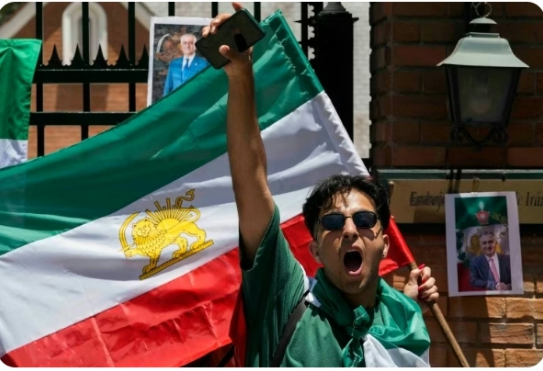
The standoff highlights the broader geopolitical divisions shaping the crisis, with ordinary Iranians caught in the middle of escalating rhetoric and diplomatic confrontation.
For now, Iran accuses Donald Trump of encouraging unrest while doubling down on security measures at home and diplomatic pressure abroad.
Whether international engagement will ease tensions or further entrench opposing positions remains uncertain, as protests continue and the global spotlight remains fixed on developments inside the country.