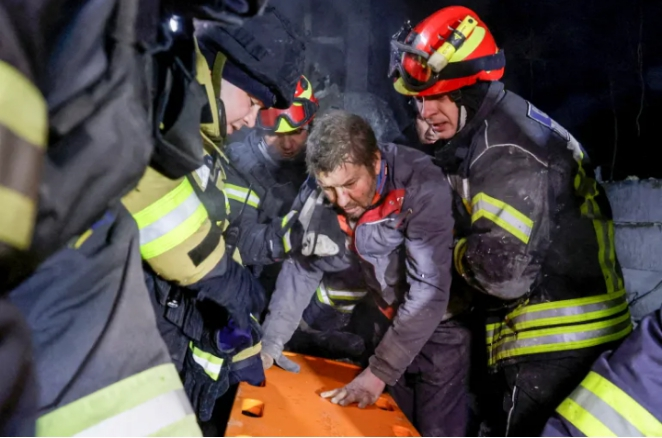
World reacts to Iran protests, US military threats against Tehran as global divisions deepen
World reacts to Iran protests, US military threats against Tehran as demonstrations spread nationwide, prompting sharp divisions among global powers over Iran’s response and Washington’s warnings.
The protests, which began in late December, have been driven by economic hardship, rising prices, and long-standing political grievances across multiple Iranian cities.
Iranian authorities say unrest has been fuelled by foreign interference, while critics accuse security forces of using excessive force against demonstrators.
The unfolding crisis has raised fears of regional instability, particularly as US President Donald Trump openly discusses potential military options.
International organisations, allies, and rivals have issued statements reflecting deep disagreement over responsibility, legitimacy, and the risks of escalation.
Iran acknowledges grievances but blames unrest on foreign influence
Iranian leaders have acknowledged economic suffering but insist protests have been exploited by hostile foreign actors seeking to destabilise the country.
President Masoud Pezeshkian said his government was ready to listen to citizens’ concerns and pursue reforms addressing inflation and unemployment.
However, he warned that authorities would not tolerate violence or actions aimed at undermining national stability and public order.
Foreign Minister Abbas Araghchi distinguished between peaceful demonstrators and what he described as rioters attempting to sow chaos.
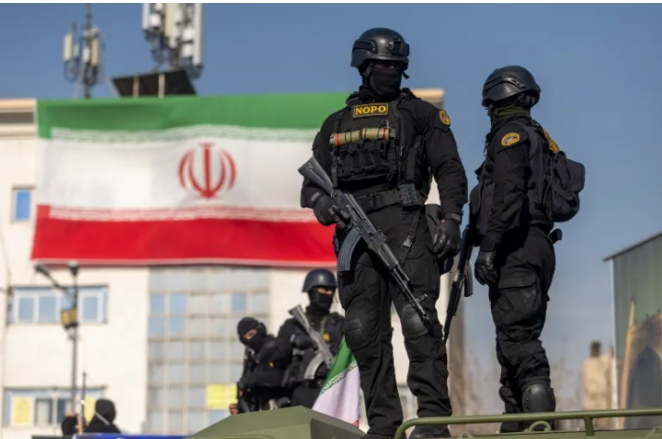
Iran insists it is not seeking war but remains prepared for all scenarios amid mounting pressure from Washington.
US warns Tehran as military options remain under consideration
World reacts to Iran protests, US military threats against Tehran following repeated warnings from President Donald Trump about possible military intervention.
Trump cautioned Iranian leaders against using lethal force, saying the United States was reviewing “very strong options” in response.
Speaking aboard Air Force One, he confirmed the military was actively assessing potential actions against Tehran.
On social media, Trump suggested Iranians were closer to freedom than ever and pledged US readiness to support them.
These statements have heightened tensions and raised concerns about miscalculation between longtime adversaries.
Casualty figures disputed amid information blackout
Iranian media reported that more than one hundred security personnel have been killed during clashes linked to the protests.
Authorities have not released official figures for civilian deaths, citing ongoing investigations and security concerns.
Opposition groups outside Iran claim the death toll among protesters is significantly higher, possibly reaching hundreds.
Independent verification remains difficult due to restrictions on media access and intermittent internet disruptions.
The lack of confirmed data has fuelled international criticism and demands for transparency.
Qatar pushes diplomacy to prevent regional escalation
Qatar has positioned itself as a mediator, urging restraint as tensions between Iran and the United States intensify.
Foreign Ministry spokesperson Majed al-Ansari warned that any escalation could have catastrophic consequences for the wider region.
He said Doha is actively engaging neighbours and partners to reduce risks and encourage dialogue.
Qatar emphasised diplomacy as the only viable path to resolving disputes between Washington and Tehran.
Its efforts reflect broader Gulf concerns about spillover effects from a potential conflict.
Israel openly backs protesters while monitoring security risks
Israel has strongly voiced support for Iranian protesters, praising their courage and calls for political change.
Prime Minister Benjamin Netanyahu commended demonstrators, describing their actions as heroic during a cabinet meeting.
Israeli military officials stated the unrest remains an internal Iranian matter but confirmed readiness to respond if required.
Israel views Iran as its most serious regional threat, shaping its firm stance on the crisis.
The comments further underline the polarised international reaction to events inside Iran.
United Kingdom and Europe signal tougher measures
The United Kingdom has not ruled out backing military action, with ministers emphasising uncertainty as the situation evolves.
Opposition figures argued intervention could be justified given reports of violence against civilians.
The European Union said it stands ready to impose additional sanctions on Iranian officials responsible for the crackdown.

Britain, France, and Germany jointly condemned the killing of protesters and urged restraint.
European leaders continue to balance pressure with calls for renewed diplomatic engagement.
Germany predicts end of Iran’s ruling system
German Chancellor Friedrich Merz suggested Iran’s leadership was nearing collapse if it relied solely on violence to maintain power.
He described the government’s response as a sign of weakness rather than strength.
Germany has historically maintained strong ties with Israel, influencing its firm rhetoric against Tehran.
Berlin’s comments represent some of the strongest language used by a European leader during the crisis.
They also highlight growing frustration within Europe over Iran’s internal policies.
Spain, Japan, and others demand end to violence.
Spain summoned Iran’s ambassador to protest arrests and the reported use of lethal force against demonstrators.
Foreign Minister Jose Manuel Albares stressed the right to peaceful protest and freedom of expression.
Japan called for an immediate cessation of violence and urged an early resolution through dialogue.
Several other governments echoed similar appeals, focusing on human rights and stability.
These responses illustrate widespread concern beyond major Western powers.
China and Russia oppose external interference
China criticised what it described as interference in Iran’s internal affairs, emphasising respect for sovereignty.
Beijing urged all parties to act within international law and avoid destabilising actions.
Russia echoed similar sentiments, condemning alleged foreign attempts to influence Iran’s domestic situation.
Senior Russian officials framed the unrest as externally driven rather than purely homegrown.
Both countries continue to align closely with Tehran on issues of non-intervention.
Turkiye and United Nations urge restraint
Turkiye’s foreign minister claimed the protests were manipulated by Iran’s rivals, including Israeli intelligence services.
He warned against covert efforts to inflame unrest through online platforms and media campaigns.
UN Secretary-General Antonio Guterres said he was shocked by reports of violence against protesters.
He called on Iranian authorities to ensure citizens can express grievances peacefully without fear.
Read also: China pressing European countries to bar Taiwan politicians or face ‘red line’ consequences
The UN’s stance underscores growing international pressure for de-escalation.
Global uncertainty grows as crisis continues
World reacts to Iran protests, US military threats against Tehran amid rising fears of regional conflict and humanitarian consequences.
The standoff reflects deeper geopolitical rivalries and unresolved tensions between Iran and Western powers.
As protests persist, the risk of escalation remains high, with diplomacy struggling to gain traction.
Observers warn that missteps could trigger wider instability across the Middle East.
For now, the world watches closely as Iran’s internal unrest intersects with global power politics.