Pope Leo‘s South America tour begins on Friday, November 6, as the 71-year-old pontiff embarks on an ambitious 12-day journey across Uruguay, Argentina and Peru, barely a month after undergoing surgery for lung cancer.
The first US-born pope is returning to a continent where he spent decades as a missionary, established deep relationships and eventually acquired Peruvian citizenship before becoming head of the Catholic Church.
The journey, scheduled to continue until November 17, is expected to attract millions of worshippers and represents one of the most demanding overseas trips undertaken by a Catholic leader in several decades.
Despite his recent medical operation, the Vatican has confirmed that Leo has recovered sufficiently to undertake the extensive journey without additional medical precautions.
During the visit, he is expected to travel approximately 31,000 kilometres across 10 cities, deliver 36 speeches, celebrate outdoor Masses and meet political leaders, religious communities and survivors of sexual abuse involving Catholic clergy.
The Pope Leo’s South America tour also presents an opportunity for the pontiff to reconnect with communities that played important roles in his religious journey and address challenges confronting the Catholic Church across Latin America.
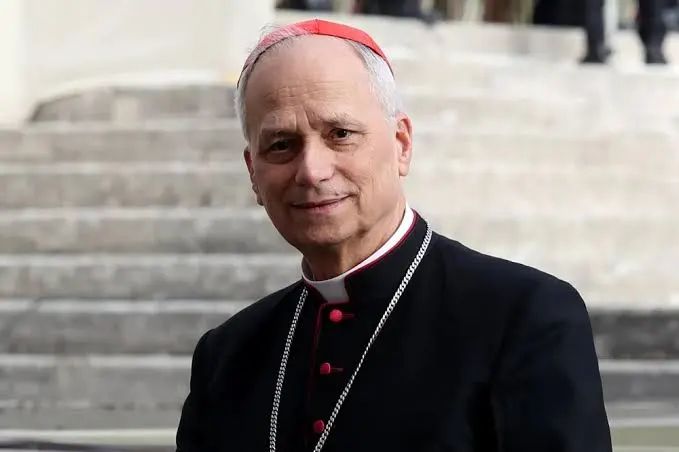
According to a November 6 report by Reuters, Vatican spokesperson Matteo Bruni described the journey as a personal homecoming for the pope because of his longstanding connections to the region.
Pope Leo’s South America tour brings him back to his missionary roots
The pontiff’s journey is particularly significant because of his longstanding relationship with South America, especially Peru, where he spent several decades working as a missionary.
Although Leo was born in Chicago in the United States, his years of religious service in Peru established deep connections that have continued to shape his identity and relationship with the continent.
He eventually became a Peruvian citizen, making the forthcoming visit especially meaningful for communities that regard him as one of their own.
Vatican spokesperson Matteo Bruni explained that the pope considers the journey a return to familiar places rather than simply another international engagement.
He described it as a “homecoming to places where he spent a long time and to which he feels closely connected”.
The pope also communicated his expectations for the journey during his weekly audience at St Peter’s Square on Wednesday.
Leo told pilgrims that he hoped to use the visit to “strengthen the faith, renew hope, (and) rekindle the fire of charity”.
His message reflects the spiritual objectives of the journey, which will combine religious celebrations with discussions about social, political and environmental challenges confronting the continent.
Uruguay, Argentina and Peru feature prominently on the itinerary
Pope Leo departed Rome’s Fiumicino airport early on Friday morning, with Uruguay serving as the first destination of his South American engagement.
He is expected to arrive in the country at approximately 4:30 p.m. local time before spending time visiting three cities.
The pontiff will subsequently travel to Argentina for a three-day visit before concluding the journey with six days in Peru.
The itinerary includes outdoor religious celebrations, meetings with government officials and engagements with communities in different parts of the three countries.
In Argentina, Leo is scheduled to visit a prison, while his programme in Peru includes journeys by helicopter to remote Andean communities.
The extensive schedule demonstrates the Vatican’s determination to make the visit meaningful across different sections of society rather than concentrating exclusively on major cities and religious institutions.
Pope Leo’s South America tour to address political instability and regional challenges
Beyond religious celebrations, the Pope Leo’s South America tour will provide an important platform for discussing political instability, environmental destruction and security challenges affecting the continent.
The pontiff has become increasingly outspoken about global leadership and international developments, raising expectations that his speeches during the journey will attract considerable political attention.
Bruni confirmed that the pope intends to address several issues confronting Latin American countries, including environmental destruction, arms trafficking and regional political instability.
“The pope brings a message of communion and unity, an invitation to recognise one another … as members of one same family,” the Vatican spokesperson said.
The message suggests that Leo intends to use his influence to encourage cooperation, reconciliation and greater social responsibility among political leaders and ordinary citizens.
His engagement with government officials will therefore be closely monitored, particularly because several countries in the region are experiencing political and economic difficulties.
Meeting with Argentina’s President Javier Milei attracts attention
One of the most closely watched engagements will take place in Argentina, where Pope Leo is scheduled to address President Javier Milei on Sunday.
Milei, a right-wing libertarian politician and close ally of US President Donald Trump, represents a political leadership whose positions could generate important discussions with the pontiff.
Read also: Trump’s foreign policy faces Democratic challenge despite midterm defeat
Trump previously criticised Leo after the pope condemned the war against Iran earlier this year, creating tensions between the Vatican and the American president.
The forthcoming meeting with Milei could therefore attract attention beyond Argentina, particularly given the political relationships connecting the Argentine president, Trump and the Vatican.
Although the precise contents of Leo’s address have not been disclosed, his broader message is expected to emphasise unity, peace and the responsibilities of political leadership.
Argentina prepares for millions of worshippers
The visit is expected to generate enormous public interest, particularly in Argentina, where officials estimate that approximately seven million people could attend events involving the pontiff.
The country’s historical relationship with the late Pope Francis, Leo’s predecessor and an Argentine-born pontiff, adds another layer of significance to the visit.
Francis visited Peru in 2018 but never returned to his homeland after becoming pope.
Argentina and Uruguay have not received a papal visit since the late 1980s, making Leo’s forthcoming engagements particularly historic for Catholic communities in both countries.
His arrival could therefore represent an important moment for worshippers who have waited decades for another opportunity to welcome a pope.
Catholic Church hopes to rebuild its influence in Latin America
Latin America has traditionally represented the world’s largest Catholic region in absolute numbers, making it particularly important to the Vatican’s global religious influence.
However, the Catholic Church has experienced declining membership and influence in several parts of the continent as evangelical denominations continue attracting growing numbers of worshippers.
Changing social attitudes and increasingly individualised approaches to religious practice have also created challenges for traditional Catholic institutions.
Local Catholic leaders hope the pope’s visit will encourage renewed religious participation and strengthen the Church’s relationship with communities across the region.
The journey also comes as the institution continues confronting reputational damage caused by sexual abuse scandals involving members of the clergy.
Pope Leo to meet survivors of sexual abuse
The Vatican has confirmed that Leo will hold several meetings with survivors of sexual abuse committed by Catholic clergy during the South American visit.
However, officials have not yet disclosed further details about the meetings or the specific individuals expected to participate.
The engagements could provide an opportunity for the Church to demonstrate its commitment to accountability, reconciliation and support for survivors.
Abuse scandals have significantly damaged public confidence in Catholic institutions, with survivors and advocacy groups continuing to demand greater transparency and meaningful action.
The pope’s willingness to meet affected individuals could therefore become one of the most consequential aspects of the journey beyond its religious celebrations.
Vatican confident about Pope Leo’s recovery after lung cancer surgery
The extensive South American journey comes shortly after Pope Leo underwent surgery for lung adenocarcinoma, a common form of lung cancer.
The 71-year-old pontiff was treated in October after doctors identified a lung nodule requiring surgical intervention.
Medical assessments subsequently indicated that the disease was localised and that he would not require additional treatment following the operation.
The Vatican announced earlier this week that the pope had completely healed from the surgery and did not require special medical arrangements for the international journey.
Bruni reiterated that Leo had recovered sufficiently to undertake the demanding programme without additional precautions.
Medical experts who spoke to Reuters said the decision by his doctors to clear him for the journey suggested that the risk of complications was relatively low.
They explained that the operated lung had likely expanded fully and that the surgical wounds were healing without indications of infection.
Experts recommend rest during demanding Andean visits
Despite the positive medical assessment, experts have suggested that the pope should remain mindful of the physical demands associated with the extensive itinerary.
They indicated that Leo might require regular rest breaks, particularly during the most demanding stages of the journey.
His planned visits to high-altitude communities in the Peruvian Andes could present additional challenges because reduced oxygen levels can place greater demands on the body.
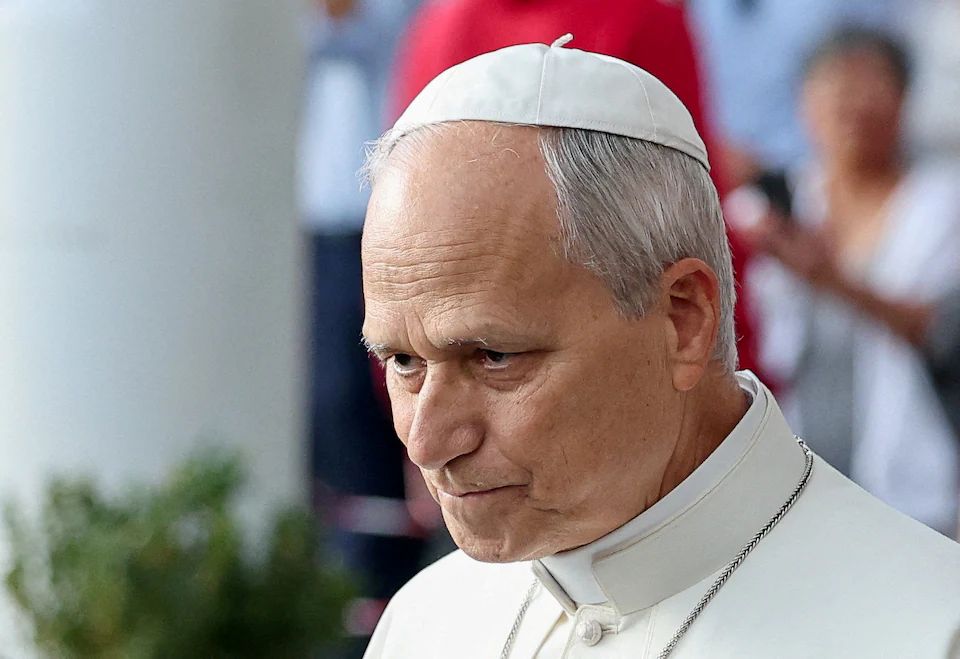
Medical specialists also suggested that supplemental oxygen could be considered if necessary during those engagements.
Nevertheless, the Vatican’s decision to proceed with the trip indicates confidence in the pontiff’s recovery and his ability to manage the demanding schedule.
Ultimately, Pope Leo’s South America tour represents more than a diplomatic and religious undertaking. It is a return to the continent where he spent much of his missionary life, an opportunity to strengthen Catholicism and a platform for addressing political instability, social challenges and institutional accountability.
About The Author