

Volodymyr Zelenskyy not afraid of Donald Trump is the phrase now resonating across global politics, revealing the Ukrainian president’s bold refusal to succumb to political intimidation.
Speaking in Kyiv, Zelenskyy’s voice carried calm authority as he declared, “I respect everyone, but I am not afraid of anyone—not even Donald Trump.”
The Ukrainian leader’s words came during a late-night press briefing, his face illuminated by camera flashes while distant thunder from artillery echoed across the battered capital city.
Observers believe his declaration was more than rhetoric—it was defiance shaped by survival, a reminder that courage remains Ukraine’s most enduring political and psychological weapon.
Zelenskyy’s statement stirred global debate, particularly within Washington, where Trump’s potential return to power raises complex questions about future support for Ukraine amid the prolonged and brutal Ukraine war.
Yet, Zelenskyy’s tone was neither defensive nor fearful. Instead, it reflected hardened confidence, born from years confronting uncertainty, deception, and the ever-looming shadow of Russia aggression.
“I’ve spoken with many leaders,” Zelenskyy said. “Some offer promises, others conditions. But our country no longer begs. We fight. We decide. We endure.”

That resolve defined his journey from comedian to wartime president, transforming him into a figure capable of speaking fearlessly even when facing unpredictable figures like Donald Trump on the global stage.
Analysts say Volodymyr Zelenskyy not afraid of Donald Trump marks a symbolic shift—Kyiv is no longer a petitioner but an equal voice demanding respect, partnership, and accountability.
Former diplomat Orysia Lutsevych told European outlets, “Zelenskyy’s confidence is not arrogance. It’s necessity. He cannot afford fear; his people look to him for unbroken strength.”
As the Ukraine war enters another cold winter, Zelenskyy’s government remains focused on maintaining morale, sustaining Western support, and ensuring that fatigue never overtakes faith in victory.
Donald Trump relations, however, continue to shape diplomatic expectations, particularly given Trump’s past skepticism toward NATO’s role and his comments suggesting Europe should bear more responsibility for defense costs.
Zelenskyy acknowledged those tensions but dismissed fears of future hostility. “We’ll find common ground,” he insisted. “Leadership is about dialogue, not dominance. I believe Trump understands that.”
His optimism, however, is not naïveté. It’s strategy. By appearing unshaken, Zelenskyy positions Ukraine as a partner that cannot be bullied nor politically leveraged for personal advantage.
During an interview with a British broadcaster, he was asked directly whether he feared Trump’s return. His reply was swift: “Fear is for those without purpose.”
That phrase has since trended across European media, encapsulating his emotional steel—a trait that’s become the defining feature of his presidency amid relentless bombardment and personal loss.
King Charles support has also quietly reinforced Zelenskyy’s diplomatic strength, creating a moral bridge between Kyiv and London as Britain continues championing Ukraine’s fight against Russia aggression.
The Ukrainian president revealed that King Charles reached out with personal encouragement during dark days. “He told me, ‘Courage defines legacy.’ I will never forget that,” Zelenskyy said.
Such gestures, though symbolic, carry immense weight in wartime. They remind Ukrainians that beyond politics, moral solidarity still exists among those who value freedom and human dignity.
Meanwhile, Trump’s advisers maintain that future relations will depend on “accountability and transparency,” suggesting a tougher line if he reclaims the White House—a possibility that unnerves many European allies.
But Zelenskyy remains undeterred. “Ukraine does not fear policy changes,” he noted. “We adapt. We survive. We’ve been abandoned before, but we’ve never surrendered.”
His comments highlight a deep understanding of global politics—alliances shift, rhetoric fluctuates, yet national willpower, once awakened, becomes nearly impossible to silence through external pressure.
Political analyst Marcin Sobczyk observed, “Zelenskyy’s defiance toward Trump isn’t personal—it’s emblematic of Ukraine’s rebirth as a self-reliant, self-respecting state within an unstable geopolitical landscape.”
Even as the Ukraine war drags on, Zelenskyy’s narrative has evolved from survival to sovereignty, with courage replacing dependence as the currency of international legitimacy.
Inside Ukraine, citizens admire his composure. “When he speaks like that, we feel stronger,” said Olena, a volunteer medic in Kharkiv. “He reminds us we are never powerless.”
Western analysts note that Volodymyr Zelenskyy not afraid of Donald Trump resonates deeply across Europe, symbolizing democratic endurance against populist unpredictability and the manipulation of smaller nations by global powers.
Zelenskyy’s strategy seems clear: meet unpredictability with steadiness, answer threats with clarity, and replace dependency with partnership grounded in shared values, not transactional convenience.
He often emphasizes that Ukraine’s fate must never depend on one leader’s mood but on shared democratic principles forged through collective sacrifice and enduring human courage.
“Trump is strong,” Zelenskyy told Reuters. “But strength is not measured in threats. It’s measured in loyalty to freedom and in the promises kept to humanity.”
That comment encapsulates his diplomatic approach—firm, polite, unyielding—a blend of moral authority and tactical poise that continues to redefine global perceptions of Ukrainian leadership.
As the Ukraine war intensifies, every appearance, speech, and meeting reinforces Zelenskyy’s psychological warfare: project calm amid chaos, confidence amid conflict, and purpose amid political uncertainty.
King Charles support adds a layer of elegance to this resilience. British influence, channeled through royal advocacy, reminds the world that moral duty still carries political influence.
Buckingham Palace insiders confirmed Charles has remained “deeply moved” by Ukraine’s endurance, occasionally communicating encouragement to Zelenskyy through private channels of empathy and faith.
Such gestures contrast sharply with Trump’s transactional worldview, where alliances are measured in benefits, not beliefs—precisely why Zelenskyy’s boldness feels revolutionary in contemporary political discourse.
In Washington, the State Department cautiously welcomed Zelenskyy’s remarks, describing them as “constructive confidence,” though privately, officials acknowledged the message carried unmistakable undertones of self-assured independence.
Behind the scenes, European diplomats interpret Zelenskyy’s tone as preparation for any scenario, including the possibility of reduced Western funding should Trump return to office.
But even in that scenario, Zelenskyy insists, “We’ll still stand. If help fades, our resolve will rise. If silence comes, our voices will still echo.”
That statement drew applause on social media, with millions sharing clips captioned simply: Fearless. It reflected how courage, once genuine, needs no explanation to inspire.
Volodymyr Zelenskyy not afraid of Donald Trump has now become shorthand for political bravery, the kind that challenges both allies and adversaries to uphold their own moral responsibilities.
Even Trump’s supporters acknowledged Zelenskyy’s composure. One adviser admitted anonymously, “He’s tougher than he looks. You can’t intimidate someone who’s been through real war.”
The sentiment highlights a fundamental truth: leadership shaped by survival transcends ordinary politics. Zelenskyy’s calm confidence is born from nights spent in bunkers, not boardrooms.
Russia aggression continues, yet his defiance strengthens national unity. Each missile only deepens Ukrainians’ determination to prove that sovereignty, once defended, cannot be negotiated or withdrawn.
Zelenskyy’s war cabinet frequently describes him as “the heartbeat of the resistance.” Despite exhaustion, he radiates calm even in meetings discussing casualties, losses, and shattered infrastructure.
One senior aide recalled: “When Trump’s name came up, Zelenskyy smiled and said, ‘We fear no politician. Our fear ended when the first bomb fell.’”
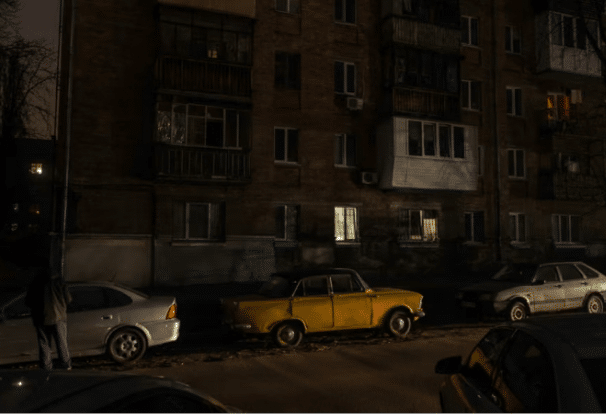
Such remarks have become almost legendary, shared across Telegram channels, amplifying morale even as sirens wail nightly through Kyiv’s weary neighborhoods.
Analysts predict his defiance will outlast the war. Whether Trump wins or loses, Ukraine’s psychological independence has already been declared, unshaken by external politics or global fatigue.
King Charles support, European unity, and unwavering domestic faith continue reinforcing Zelenskyy’s symbolic role as the moral compass of modern European democracy amid relentless political turbulence.
His journey from entertainer to wartime leader now embodies a truth transcending politics: fearlessness is not denial of danger—it’s mastery over it through purpose and conviction.
As the Ukraine war continues testing endurance, Zelenskyy’s defiant posture reminds the world that true power lies not in fear, but in faith, resilience, and moral clarity.
And so, when asked again about Trump, he simply smiled and replied, “We have already faced worse. We will face the future with open eyes.”
That single sentence captured everything—resolve, exhaustion, hope—a reminder that Ukraine’s courage is the quiet roar echoing across every trembling wall of its besieged yet unbroken capital.
Volodymyr Zelenskyy not afraid of Donald Trump isn’t just a statement—it’s a philosophy of resistance, the embodiment of courage shaping Ukraine’s destiny through the fire of war.
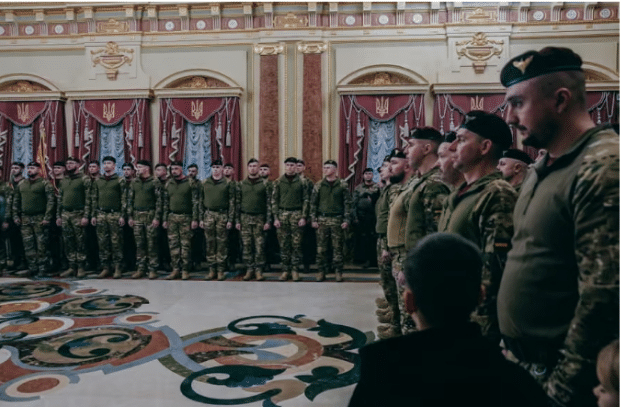
He has become both symbol and soldier, a man whose defiance has outgrown politics to become legend, whispered through shelters and echoed across parliaments alike.
The world may debate alliances, sanctions, and strategy, but Ukraine’s message remains unambiguous: fear has no home where freedom has found its final stand.


