US General Hegseth told reporters that Iran cannot outlast American forces, emphasizing that the United States determines the pace and intensity of the ongoing conflict.
Speaking at a briefing, Hegseth said, “We set the tone and the tempo of this fight,” without specifying the total duration of the military campaign.
He added that while some estimates could range from three to eight weeks, the ultimate limit is defined by President Trump’s strategic goals.
“When we say the throttle is going up, the throttle is going up and it’s going to stay on high,” Hegseth continued, underlining that the US is in full control of operations and momentum. His comments come amid heightened tensions following recent missile exchanges and air operations in Iranian airspace.
Hegseth also highlighted a significant decline in Iran’s missile capabilities, stating that the enemy can no longer shoot the volume of missiles they once did. “Not even close,” he said. “We can sustain this fight easily for as long as we need to,” reflecting confidence in the US’s logistical and military endurance.
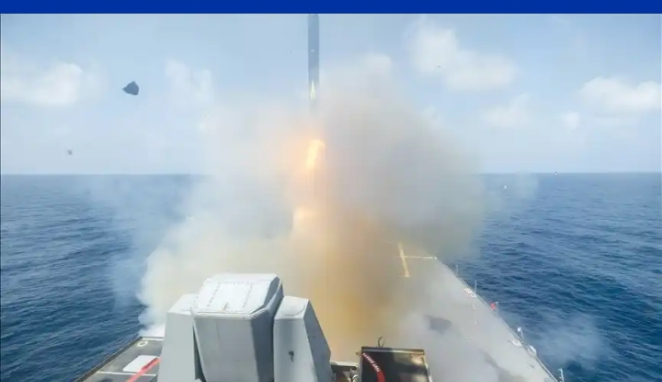
The general framed the conflict as a test of endurance and strategic superiority, asserting that the US’s ability to maintain sustained military operations ensures it remains ahead in both technology and operational tempo.
Analysts suggest that this rhetoric is aimed at signaling both domestic and international audiences that Iran’s options are increasingly constrained.
US defense officials have reiterated that all military actions are being conducted with close attention to strategic objectives outlined by President Trump. According to Hegseth, this approach ensures that the US maintains a decisive edge while limiting exposure to prolonged or uncontrolled engagements.
Hegseth stressed that the American-led coalition’s strategy focuses on degrading Iran’s offensive capabilities while keeping the initiative firmly in US hands.
The reduction in missile volume from Iranian forces reflects not only attrition but also logistical and technological limitations that prevent sustained retaliatory strikes.
He concluded by emphasizing that the United States is prepared for any escalation, signaling that current operations are only the beginning of a longer-term plan to enforce military dominance in the region.
“We control the tempo, we control the fight, and we will continue to do so as long as necessary,” Hegseth said.
Read also: Iran war escalation enters fifth day as explosions rock Tehran
Hegseth further warned that any attempts by Iran to regroup or launch surprise attacks would be met with overwhelming force, emphasizing that US intelligence and surveillance capabilities allow for near-constant monitoring of Iranian military movements.
“We know where their assets are, we know their limitations, and we can adjust the tempo instantly to maintain the advantage,” he said, highlighting the combination of technological superiority and operational readiness.
He also framed the conflict in terms of long-term strategic deterrence, suggesting that the US intends to reshape the regional balance of power.
“This is not just about the missiles fired or bases struck—it’s about sending a clear message that Iran cannot sustain aggressive actions against the United States or its allies,” Hegseth concluded, signaling a continued commitment to maintaining pressure on Tehran while preventing escalation into broader regional warfare.