

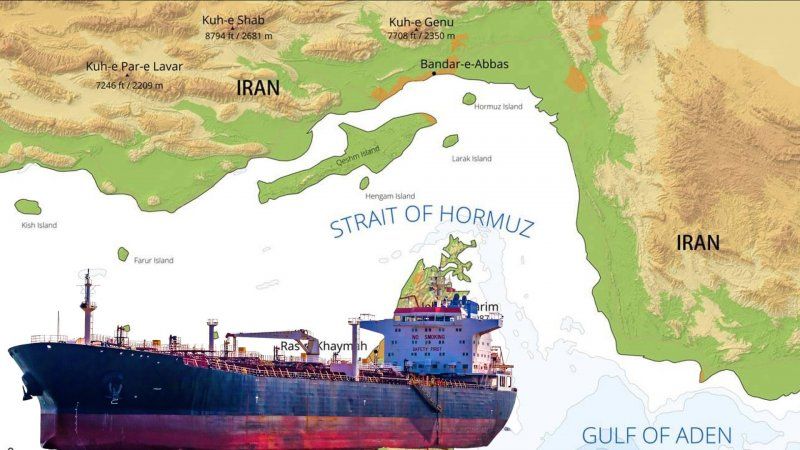
Oil prices retreat as commercial shipping resumes through Hormuz
Global oil prices eased on Thursday after commercial shipping activity partially resumed through the Strait of Hormuz, reducing immediate fears of a prolonged disruption to one of the world’s most critical energy corridors.
Brent crude futures fell to around $105 per barrel after earlier climbing above $107 amid heightened geopolitical tensions linked to the standoff involving Iran, the United States and Israel.
The pullback followed reports of renewed commercial tanker movement through the strait.
Iran’s semi-official Fars news agency reported that about 30 vessels passed through the waterway from Wednesday night under what Iranian authorities described as newly coordinated maritime management procedures.

A senior official of Iran’s Islamic Revolutionary Guard Corps Navy reportedly said countries using the route had complied with navigation protocols established by Tehran.
The Strait of Hormuz handles roughly a fifth of global oil consumption and remains one of the most strategically sensitive shipping chokepoints in the world.
Roughly 20 million barrels per day of crude and petroleum products transit the route, according to international energy estimates, making it one of the world’s most important maritime energy chokepoints.
Any disruption to flows through the narrow passage typically triggers immediate volatility across crude, shipping and foreign-exchange markets.
The corridor is particularly critical for Asian refiners, with Saudi, Iraqi, Kuwaiti and Emirati crude cargoes heavily dependent on uninterrupted tanker movements through the narrow waterway.
Iran signals conditional reopening of key oil transit route
Iranian Foreign Minister Seyed Abbas Araghchi, said commercial shipping remained possible through the strait provided vessels cooperated with Iranian naval authorities.
“Iran has not posed any obstacle to shipping through the strait,” he said, according to state-affiliated media, while accusing the United States of escalating tensions in the region.
Shipping and energy-market analysts said the partial resumption of tanker traffic helped calm immediate supply concerns that had intensified after Iran tightened restrictions on vessels linked to the United States and Israel earlier this year.
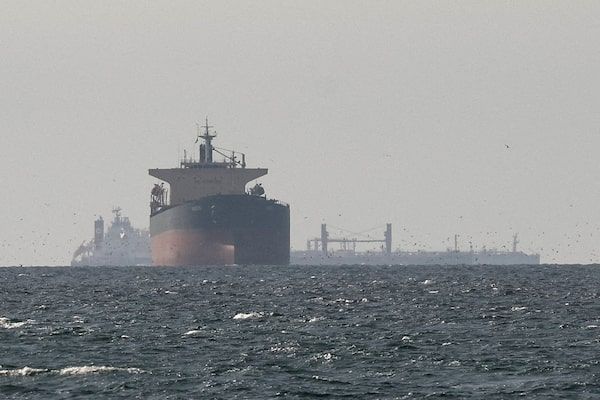
Two shipping executives familiar with Middle East crude movements said some tanker operators had continued transiting the route cautiously in recent days, although several vessels increasingly relied on route adjustments, naval coordination and limited public tracking visibility to reduce security exposure.
Market participants said the latest developments suggest neither Washington nor Tehran currently wants a sustained interruption to global energy flows despite continuing diplomatic and military tensions.
Traders monitor crude flows as geopolitical risk premium persists
Oil traders and shipping analysts said the easing in prices likely reflects a temporary reduction in immediate supply fears rather than a broader resolution of geopolitical risks in the Gulf.
Several crude tankers reportedly crossed the strait in recent days with tracking systems either restricted or intermittently disabled, according to shipping data monitored by maritime intelligence firms Kpler and LSEG.
Two Very Large Crude Carriers carrying Iraqi crude — the Agios Fanourios I and the Kiara M — were among vessels reported to have passed through the corridor.
Dealers said volatility across oil futures markets remains elevated as traders continue recalibrating geopolitical risk premiums tied to Middle East supply security.
Energy traders said options activity and short-term hedging demand increased sharply earlier in the week as concerns over possible disruptions to Gulf crude exports triggered fresh buying across near-dated Brent contracts.
“Physical flows are still moving, but the market remains highly sensitive to any indication of escalation,” one energy trader involved in Gulf crude markets said privately.
The renewed tanker movement helped ease concerns about a potential supply shock capable of tightening global crude availability at a time when inventories in several major consuming economies remain relatively constrained.
Sustained crude-price spikes would likely complicate inflation outlooks globally, particularly for major fuel-importing economies already contending with elevated transport, manufacturing and energy costs.
China’s role draws increased market attention
China’s reported involvement in the latest shipping activity drew particular attention from traders because of Beijing’s position as the world’s largest crude importer and one of the biggest buyers of Middle Eastern oil.
The White House said US President Donald Trump and Chinese President Xi Jinping agreed during recent discussions that the Strait of Hormuz should remain open to ensure uninterrupted global energy supplies.
According to the White House, Xi also expressed interest in expanding purchases of US crude as part of broader efforts to diversify supply sources and reduce strategic exposure to Hormuz-related disruptions.
China has sharply reduced direct imports of US crude since 2025 amid tariff disputes linked to wider trade tensions between both countries.
Energy analysts said any sustained shift in Chinese crude procurement patterns could reshape tanker flows, regional pricing dynamics and global refining trade routes over time.
Read Also: BREAKING: Makinde stuns opposition camps with 2027 presidential declaration
Oil markets remain exposed to broader geopolitical risks
Despite Thursday’s price pullback, analysts cautioned that the underlying geopolitical environment remains fragile.
The Strait of Hormuz sits at the centre of global energy security, with major Gulf producers including Saudi Arabia, Iraq, Kuwait and the United Arab Emirates relying heavily on the route for crude exports.
Historically, even short-lived disruptions or military threats involving the strait have triggered sharp spikes in oil prices, insurance costs and freight rates across international energy markets.
Shipping brokers said some tanker operators are already demanding higher risk premiums for Gulf-related voyages amid uncertainty surrounding future maritime security conditions.
Tanker-market participants said charter rates for some Gulf-linked routes had risen sharply in recent sessions as shipowners priced in heightened security and insurance risks tied to regional instability.
Traders cautioned that the resumption of tanker traffic does not necessarily eliminate the risk of sudden disruptions, particularly given the fragile military and diplomatic environment surrounding the Gulf corridor.
Offshore energy insurers and commodity traders are also closely monitoring whether current navigation arrangements evolve into a more stable framework or remain vulnerable to further escalation.
For energy markets, the broader question now is whether the latest reopening signals a temporary de-escalation or merely a pause in a still-fragile confrontation capable of disrupting one of the world’s most strategically important crude supply routes.
Until that becomes clearer, traders said oil markets are likely to remain highly reactive to military developments, tanker movements and diplomatic signals from Washington, Tehran and Beijing.
Read more @ireport247news