Libya unity talks have been thrown into uncertainty after allegations that Saddam Haftar, the son of eastern military commander Khalifa Haftar, was involved in a series of drone attacks on fuel and power facilities in western Libya.
The allegations have reportedly made officials in the Tripoli-based Government of National Unity (GNU) question whether they can continue working with Saddam Haftar, who had emerged as an important figure in a US-backed effort to bridge Libya’s political and institutional divide.
The accusations centre on drone attacks carried out in August against energy infrastructure in western Libya, including the strategically important Zawiya oil complex.
Saddam Haftar drone attacks put unity plan under pressure
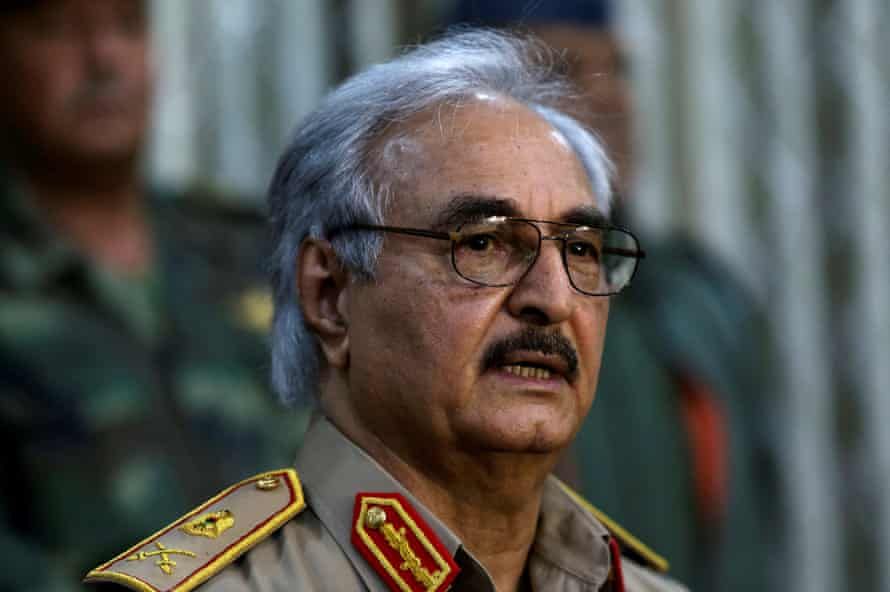
Saddam Haftar is the deputy commander of the Libyan National Army, the force controlled by his father, Khalifa Haftar, which dominates much of eastern Libya.
He has increasingly been treated by the United States as an important participant in efforts to unify Libya’s divided security, judicial and political institutions.
But the allegations surrounding the drone attacks have complicated that role.
According to sources cited by the Guardian, officials in the GNU believe individuals arrested over an alleged sabotage plot were working for Saddam Haftar. The allegations have not been established in court, and no public evidence directly proving that Saddam ordered the attacks was provided in the report.
Libya’s GNU announced in September that it had dismantled a sabotage cell involving Libyans and foreign nationals. Authorities said the group was involved in attacks using explosive-laden drones against oil storage facilities and power infrastructure in Tripoli and Zawiya.
The Libyan government also said other planned attacks on vital facilities and political, security and military figures had been prevented.
Zawiya oil facility attack caused major damage
The August attacks targeted western Libya’s energy infrastructure at a particularly sensitive time for the country.
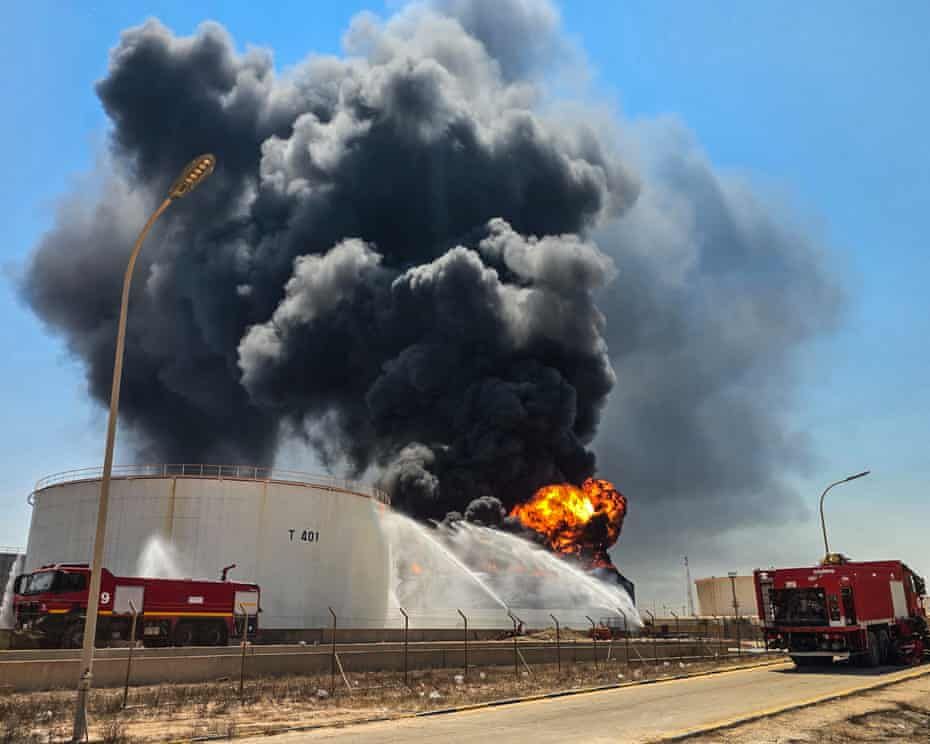
The Zawiya oil complex, located west of Tripoli, suffered repeated drone attacks, including a strike on a gasoline storage tank containing about 4.5 million litres of fuel.
The tank was damaged and later collapsed after the attack, while fires broke out across parts of the facility.
The National Oil Corporation had warned that continued attacks could force the refinery to suspend operations.
The attacks also affected electricity infrastructure and contributed to worsening power shortages in western Libya.
The United Nations has separately warned that attacks or actions undermining Libya’s oil and energy infrastructure could expose individuals and entities to sanctions under existing Security Council resolutions.
US-backed Libya power-sharing deal at risk
The accusations have emerged as Washington has been pursuing a separate plan aimed at ending Libya’s prolonged political division.
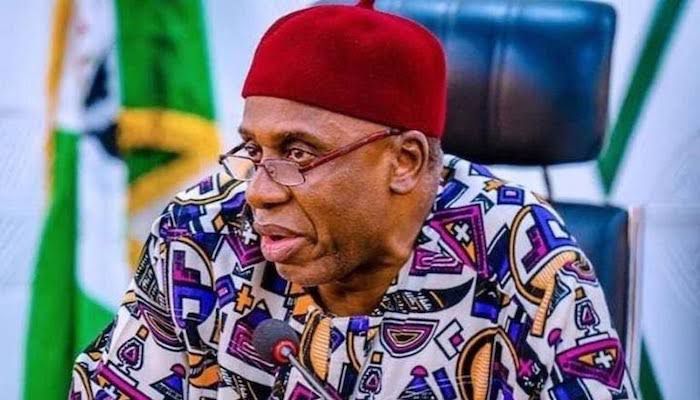
Donald Trump’s Africa adviser, Massad Boulos, has promoted a proposed arrangement under which Khalifa Haftar could become president while a member of the Dbeibah family would serve as prime minister.
Boulos has rejected the suggestion that the plan is simply an attempt to entrench political families.
“It’s not about families or names,” Boulos said when asked about the reported arrangement, adding that the individuals involved would ultimately have to occupy one position or another.
The alleged drone operation has now cast doubt over whether the parties involved can work together under such an arrangement.
The Guardian reported that sources within the GNU described cooperation with Saddam Haftar as “impossible” following information that emerged from investigations into the alleged sabotage network.
UN-backed election process faces complications
The controversy extends beyond the US-backed proposal.
It could also affect the UN-supported 4+4 process involving representatives from Libya’s principal political and institutional bodies.
The framework has been designed to help resolve institutional disagreements and create conditions for national elections.
A recent agreement endorsed by the UN Security Council envisages elections within two years and has been viewed as an important step towards ending Libya’s political division.
The Security Council Report said the 4+4 mechanism brings together representatives from the Government of National Unity, the High Council of State, the House of Representatives and the Libyan National Army.
However, the alleged attacks on energy infrastructure risk deepening mistrust between Libya’s rival political and military camps.
GNU rejects political settlement that ignores grievances
Walid Ellafi, Libya’s minister of state for political affairs, has backed the UN-sponsored 4+4 framework but opposed an elite east-west settlement that ignores longstanding grievances.
“Our support for the 4+4 process is rooted in its role as a UN sponsored framework offering a new approach to achieving practical results that pave the way for elections and institutions whose political legitimacy derives from the will of the people – not as a political settlement that overlooks violations or sets aside the rights of those affected,” Ellafi said.
His position highlights one of the central difficulties facing Libya’s unity efforts: political reunification cannot simply involve dividing government positions between rival elites without addressing the consequences of years of conflict.
Among the grievances are the displacement of thousands of families during Libya’s previous wars.
Khalifa Haftar’s sons face internal power struggle
The allegations may also intensify a succession struggle within the Haftar family.
Saddam Haftar has increasingly been viewed as his father’s likely successor and has built considerable influence within Libya’s eastern power structure.
He has also benefited from backing from the United Arab Emirates and has played a prominent role in political negotiations.
His brothers, Khaled and Belqasim Haftar, are also influential figures and have reportedly begun challenging Saddam’s dominance.
Belqasim, in particular, has developed closer links with Egypt, while Saddam has been more closely associated with the UAE.
The allegations over the drone campaign could therefore have consequences beyond the immediate dispute between Tripoli and eastern Libya.
Libya remains divided years after Gaddafi
Libya has remained politically divided since the 2011 overthrow of Muammar Gaddafi, with rival authorities and armed groups competing for control despite the 2020 ceasefire that ended the country’s major nationwide conflict.
The Tripoli-based GNU controls western Libya, while Khalifa Haftar’s forces dominate much of the east and south through a separate political and military structure.
Read also: North Korea ballistic missile launch: Wonsan missile flies over 700km as Korea tensions rise
The division has left the oil-rich country struggling with armed-group competition, weak institutions, corruption and disputes over control of national resources.
Recent attacks on energy infrastructure have demonstrated how quickly political disputes can threaten the facilities that underpin Libya’s economy.
The situation has also prompted international concern. Libya’s oil facilities remain essential not only to government revenue but also to fuel supplies and electricity generation.
What happens to Libya unity talks?
The future of Libya unity talks now depends partly on whether the allegations against Saddam Haftar can be substantiated and how the GNU, Haftar’s eastern camp, the United States and the UN respond.
The GNU has continued investigating the alleged sabotage cell, while Libyan authorities have said they intend to establish who planned, financed and carried out the attacks.
The government has previously stressed that attacks on oil and other vital infrastructure will not be tolerated.
For the moment, the allegations have complicated an already fragile political process.
The central challenge remains whether Libya’s rival factions can unify state institutions and move towards elections without allowing disputes over power, territory, oil and security to reignite the conflict that has divided the country for more than a decade.