Brexit’s impact on Britain’s global standing has become a central issue in Prime Minister Andy Burnham‘s foreign policy agenda, with the Labour leader acknowledging that the country’s international influence has weakened over the past decade and suggesting that his government could reconsider its approach to relations with the European Union.
Speaking at the Lord Mayor’s Banquet in the City of London, Burnham criticised previous governments for failing to maintain important relationships with international allies and institutions. He argued that the consequences of Britain’s departure from the EU extended beyond Europe, damaging the country’s reputation and creating uncertainty about its position in the world.
His speech also signalled that Labour could move away from some of its existing restrictions on closer European integration when preparing its next election manifesto.
Burnham said Britain would begin discussions with European partners after this week’s Brussels summit to examine options for a long-term relationship with the bloc. However, he stressed that the process would take time and that the British public would have the final say on any major decision.
Burnham acknowledges decline in Britain’s international influence
The prime minister used his foreign policy address to assess how Britain’s international relationships had changed since the Brexit referendum.
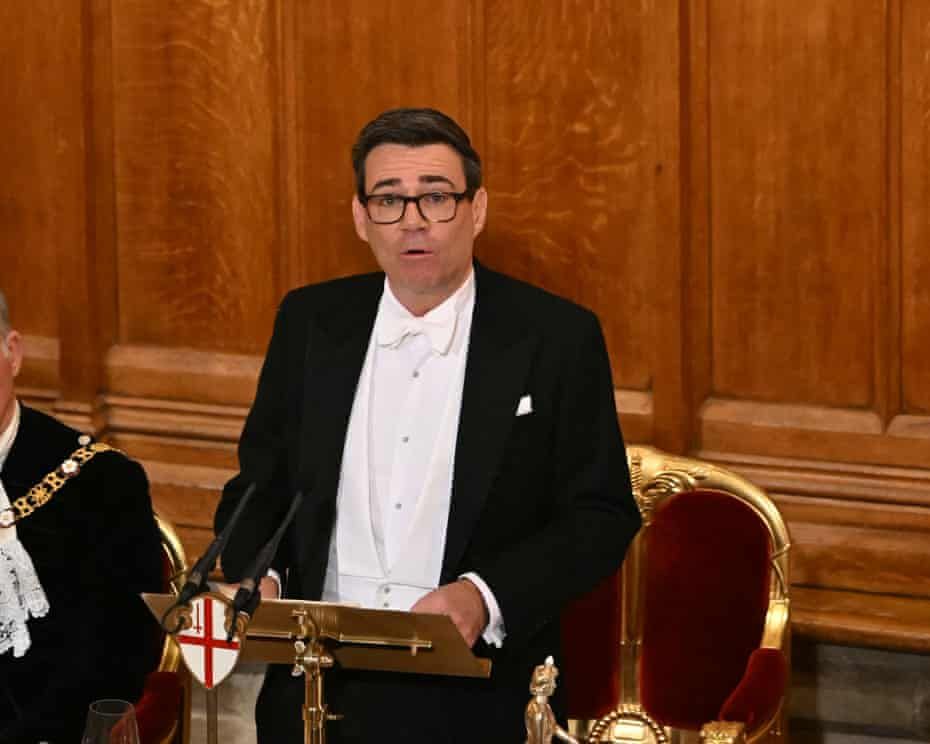
He said the country had lost some of its standing because successive governments had not treated allies and international institutions with sufficient care.
“In the decade since Brexit, our standing in the world has diminished,” Burnham said, adding that the consequences of Britain’s approach had reached beyond Europe.
He also criticised the country’s failure to invest adequately in modernising the Commonwealth and described its relationship with China as inconsistent.
His comments suggested that the consequences of Brexit should not be measured only through trade arrangements, immigration policies or the UK’s relationship with European governments. They also involved Britain’s ability to maintain diplomatic influence and credibility across the international community.
Burnham further addressed Britain’s position on the conflict in the Middle East, acknowledging that the country’s response to events in Gaza had raised questions about its moral standing.
He maintained that Britain was right to condemn Hamas over the attacks of October 7 but said its response to what followed in Gaza had left many questioning the country’s moral compass.
The prime minister argued that political turbulence had created an impression that Britain had abandoned values for which it was traditionally respected.
He insisted that the British people remained as decent as ever, but said political decisions had created confusion about the country’s identity and international commitments.
Labour prepares to examine new arrangements with the EU
Burnham’s speech offered another indication that Labour could reconsider its approach to Britain’s post-Brexit relationship with the European Union.
He said discussions with European partners would begin after the Brussels summit, with different possibilities to be assessed before decisions are presented to voters in the next parliament.
The options expected to feature in the debate include a customs union, closer participation in the single market and full membership of the European Union.
Although the prime minister has expressed a personal preference for rejoining the bloc, he insisted that Labour would not abandon its existing Brexit red lines before the next general election.
Some cabinet ministers are concerned that reopening the Brexit debate could revive political divisions and distract the government from other priorities. There have also been calls within government for Burnham to proceed cautiously rather than move too quickly towards reversing Britain’s departure.
Downing Street sources said the prime minister wanted to frame the debate and examine available choices rather than commit automatically to a predetermined outcome.
However, his publicly stated preference for EU membership could make it harder to maintain that distinction.
The Guardian reported that supporters of Brexit had recently established two separate campaign groups aimed at resisting any attempt by the government to take Britain back into the European Union.
Former prime ministers Boris Johnson and David Cameron, despite their opposing positions during the Brexit debate, have also cautioned against the proposed move.
Brussels summit expected to deliver economic agreements
Before the wider discussions about Britain’s long-term relationship with Europe begin, Burnham is due to meet European leaders at the Brussels summit on Friday.
His immediate objective is to secure agreements covering food and farming, emissions trading and a youth mobility scheme.
The prime minister believes the proposed arrangements could increase Britain’s gross domestic product by 0.4%, equivalent to approximately £17bn.
He has criticised the existing relationship between Britain and the EU, arguing that its limitations have not been adequately acknowledged.
At the Lord Mayor’s Banquet, he compared the current arrangement to the emperor’s new clothes, suggesting that people had been reluctant to admit that the deal was not delivering what had been promised.
The proposed agreements are intended to improve cooperation and reduce some of the difficulties associated with Britain’s departure from the bloc.
Nevertheless, the negotiations also demonstrate the restrictions Britain faces when seeking access to European arrangements without participating fully in the institutions responsible for making the rules.
EU politician says Britain cannot help write European laws
Sandro Gozi, chair of the European Parliament’s delegation for relations with the UK, warned that Britain would not be allowed to participate fully in developing European legislation under the existing relationship.
The UK wants some involvement in shaping rules covering food, agriculture and drink as part of an agreement expected to be reached at the Brussels summit.
Gozi, however, said Britain could not expect to influence European legislation in the same way as EU member states after choosing to leave the bloc.
He argued that Brexit meant giving up the right to participate in the decision-making process and that Britain could not expect to return to the negotiating table as a full decision-maker without changing its relationship with the EU.
The UK might receive a consultative role similar to Switzerland’s, he suggested, but that would not give it the same influence enjoyed by member states.
Gozi acknowledged that Burnham was right to explore the opportunities available under the current arrangement but warned that significant restrictions would remain.
He said the limitations of the existing relationship could eventually demonstrate that maintaining the status quo was insufficient for Britain’s ambitions.
According to the European politician, overcoming those restrictions would require Britain to reconsider the red lines preventing deeper integration, including participation in the single market.
Britain’s post-Brexit future returns to political debate
The renewed discussion about Brexit’s impact on Britain’s global standing places the country’s relationship with Europe at the centre of Burnham’s wider foreign policy agenda.
Read also: Robert Pattinson James Bond casting confirmed as actor replaces Daniel Craig as 007
Although Labour is not promising an immediate reversal of Brexit, the prime minister’s willingness to examine options ranging from a customs union to full EU membership represents a significant development in the debate.
The government must now balance the potential economic and diplomatic benefits of closer cooperation with the political sensitivities surrounding Britain’s departure from the bloc.
Supporters of deeper European integration argue that stronger economic links could improve trade, investment and Britain’s international influence. Opponents remain concerned about surrendering national powers and reopening divisions that have shaped British politics for years.
For Burnham, the immediate task is to secure practical agreements with European leaders while preparing the ground for a wider national discussion about Britain’s future.
His message is that the country must reassess its international relationships and determine whether its current arrangements are sufficient to protect its economic interests, diplomatic influence and global reputation.
About The Author