

Estonia Russia border closure plans have emerged after authorities foiled an alleged sabotage operation targeting a defence company that manufactures military drones for Ukraine, escalating tensions between Tallinn and Moscow. The Baltic country says it will shut all three border crossings with Russia from December 1, accusing Russian military intelligence of orchestrating the attempted attack.
The decision follows the arrest of eight people during an operation against Threod Systems, an Estonian defence manufacturer specialising in long-range attack and reconnaissance drones. The incident happened on Saturday morning, November 14, but security personnel reportedly intervened before the suspected attackers could cause an explosion or start a fire.
Although no injuries or property damage were recorded, Estonian authorities have described the incident as a serious security threat linked to Russia’s efforts to undermine the country’s defence capabilities and its assistance to Ukraine.
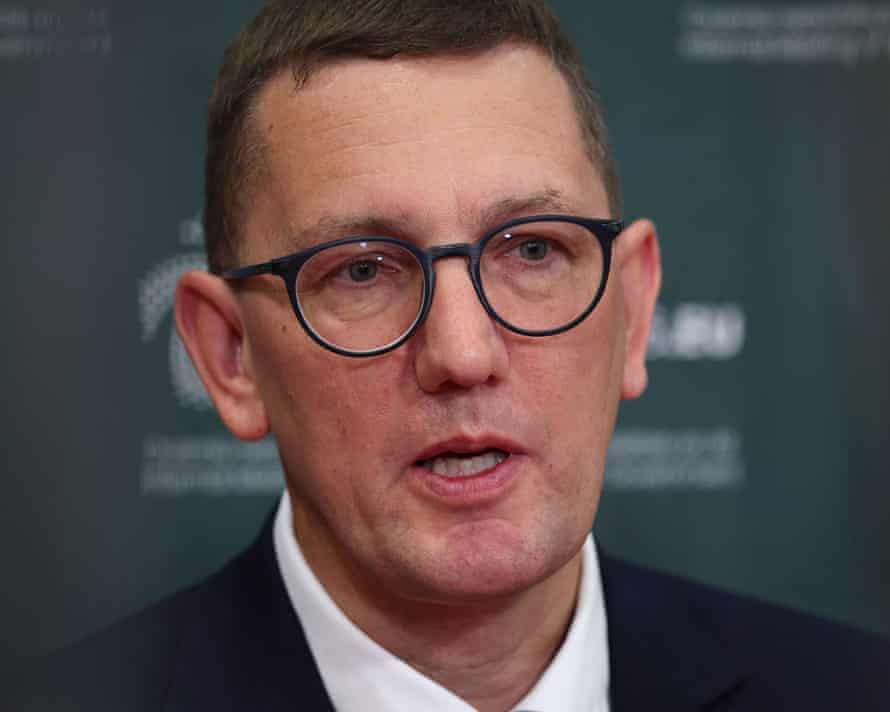
Prime Minister Kristen Michal announced the planned border restrictions on Sunday, saying the government intended to reduce the risk of further hostile operations and demonstrate that attacks against Estonia would have consequences.
The announcement represents another significant deterioration in relations between the two neighbouring countries, which have experienced growing tensions since Russia launched its full-scale invasion of Ukraine in February 2022.
Eight arrested over suspected attack on drone manufacturer
The attempted operation against Threod Systems took place on Saturday morning, when eight individuals were detained in connection with an alleged plot targeting the defence company’s premises.
Estonia’s Internal Security Service, known as Kapo, said preliminary findings indicated that the objective was to cause an explosion and set the building on fire.
The agency disclosed that the operation had been directed at a company involved in producing military equipment, including drones used for long-range attack and reconnaissance missions.
Authorities said the company’s security team responded to the threat, preventing the suspected attackers from carrying out their intended operation.
No injuries or damage were reported following the incident.
Estonian investigators subsequently requested a court order to keep five of the eight detained individuals in custody, according to the country’s public broadcaster, ERR.
The arrests have attracted considerable attention because Threod Systems operates within Estonia’s defence industry, a sector that has become increasingly important as European countries strengthen their military capabilities and provide assistance to Ukraine.
The investigation is expected to establish the precise roles of the suspects and the circumstances surrounding the alleged operation.
Estonia accuses Russian military intelligence of organising sabotage
Estonian authorities have attributed the attempted attack to Russia’s military intelligence service, commonly known as the GRU.
The allegation has intensified concerns in Tallinn about what officials describe as Russian efforts to destabilise European countries through covert operations rather than conventional military confrontation.
Prime Minister Michal connected the suspected sabotage operation to Estonia’s continuing military and political support for Ukraine.
He argued that Moscow wanted to intimidate Estonia, weaken public confidence and make the government reconsider its assistance to Kyiv.
According to Michal, Russia’s objective was to create fear, encourage hesitation and undermine the country’s commitment to supporting Ukraine.
He said Estonia would respond by strengthening national security, improving cooperation with businesses and international allies, increasing pressure on Russia and maintaining its support for Ukraine.
The prime minister also explained that closing the border crossings was intended to reduce the possibility of further attacks and send an unmistakable warning that hostile operations against Estonia’s defence industry would not be tolerated.
The planned Estonia Russia border closure therefore forms part of a wider security response rather than an isolated immigration or border-control decision.
All three Russian border crossings to shut from December 1
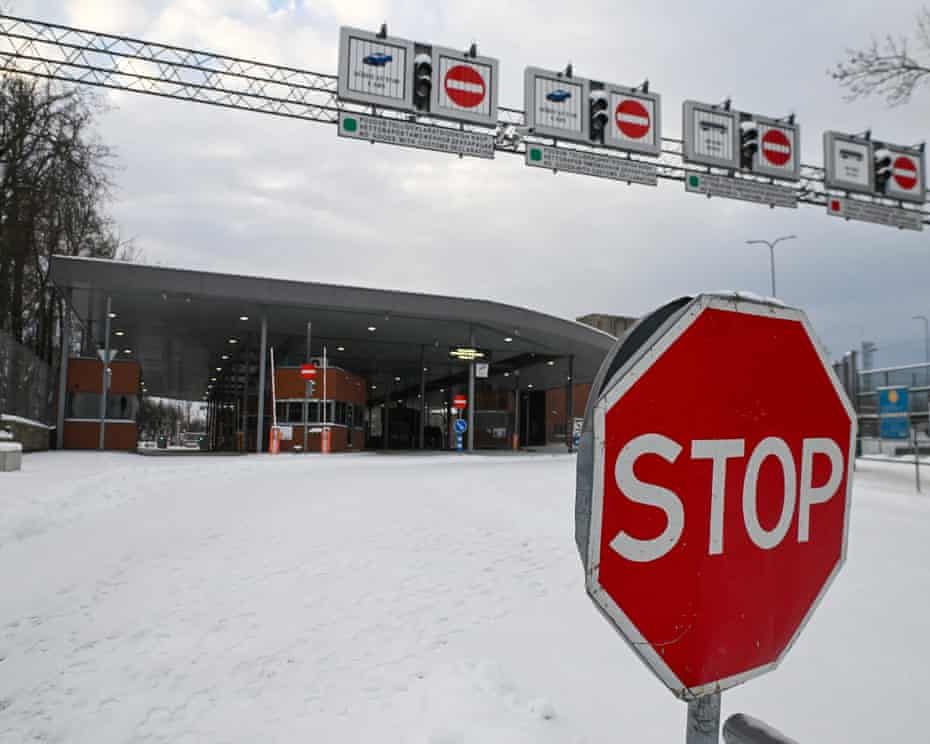
Estonia operates three official border crossings with Russia: Narva in the north, and Koidula and Luhamaa in the south.
The government has announced that all three will close from December 1, although authorities have not specified how long the restrictions will remain in place.
The measure is intended to strengthen border security and limit opportunities for further hostile activities.
The closure could affect people and businesses that regularly travel between the two countries, although the government has not provided detailed information about the practical arrangements or possible exceptions.
Estonia’s decision also reflects the country’s increasingly cautious approach to its eastern neighbour.
As a member of both the European Union and Nato, Estonia considers Russian military and intelligence activities a significant national security concern.
Its geographical position makes the country particularly sensitive to developments involving Moscow, especially as the war in Ukraine continues.
The government has repeatedly warned that Russia’s confrontation with Ukraine could have wider implications for the security of neighbouring European states.
Foreign minister warns Moscow of consequences
Estonian Foreign Minister Margus Tsahkna supported the government’s decision and issued a strong warning to Russia over the alleged sabotage operation.
He said Moscow must understand that hostile actions against Estonia would carry consequences.
Tsahkna added that attempts to intimidate the country, destabilise its institutions or weaken its security would not go unanswered.
His statement reinforced the government’s position that the alleged attack was not simply a criminal incident but part of a broader threat to national security.
The foreign minister’s remarks also indicated that Estonia intended to maintain a firm response despite the possibility of further diplomatic tensions with Russia.
The government has not suggested that the border closure would be its only response. Michal’s comments about strengthening cooperation with businesses and allies suggest that additional security measures could follow.
Previous attack on another Estonian defence company
The suspected operation against Threod Systems is not the first incident involving an Estonian defence manufacturer that authorities have linked to Russian intelligence.
In August, an arson attack targeted Milrem Robotics, another Estonian company involved in developing defence technology and military robotics.
Following investigations, Kapo said in September that it was confident the incident had been a deliberate and pre-planned operation carried out on behalf of Russian special services.
The agency said the attack fitted a wider pattern of suspected Russian operations targeting defence and drone manufacturers, particularly companies with connections to Ukraine.
Estonia subsequently summoned Russia’s chargé d’affaires to address the allegations.
However, the Kremlin rejected any connection to the incident, describing Estonia’s accusation as baseless and insisting that it had no relationship with reality.
The earlier incident has become particularly relevant following the latest arrests because both cases involve companies operating in Estonia’s defence and military technology sector.
The repeated allegations have increased concern that defence manufacturers supporting Ukraine could face further threats from individuals recruited to carry out sabotage operations.
European intelligence agencies warn of growing sabotage threats
Estonia’s concerns reflect wider warnings from European intelligence and security agencies about suspected Russian efforts to organise covert operations across the continent.
Several European services have repeatedly raised concerns about attempts to recruit individuals through online messaging platforms to carry out sabotage, intimidation and other hostile activities in European Union and Nato countries.
Such operations can involve people who may not have formal military backgrounds but are allegedly recruited to damage infrastructure, target businesses or create insecurity.
The suspected attacks against Estonian defence manufacturers have therefore attracted attention beyond the country’s borders.
European governments are particularly concerned about facilities involved in producing military equipment for Ukraine, as these businesses play an increasingly important role in supporting Kyiv’s ability to defend itself.
Michal said Estonian security agencies had previously warned companies in the defence industry about potential threats.
He maintained that the government did not issue such warnings without reason and argued that preparations by the company and security services had helped prevent the latest operation from succeeding.
The prime minister described the arrests as evidence that preparedness and cooperation could make a difference in preventing sabotage.
Russia reacts angrily to planned border restrictions
Moscow has reacted critically to Estonia’s announcement, with Russian foreign ministry spokesperson Maria Zakharova describing the proposed restrictions as another example of what she called aggressive Russophobia.
Speaking to the Russian state news agency Tass, Zakharova said that if the border closures were genuinely being planned, they would fit into another episode of what she characterised as Estonia’s hostile attitude towards Russia.
Her response highlights the diplomatic consequences of Tallinn’s decision, particularly as relations between the two countries remain strained over the war in Ukraine and allegations of Russian interference in European security.
Estonia has rejected the idea that its actions are motivated by hostility towards ordinary Russians, presenting the measures as necessary protection against alleged security threats.
However, the Kremlin’s reaction suggests that the decision could further complicate relations between the neighbouring countries.
The Guardian, reporting on the arrests and the government’s announcement, noted that the latest incident followed an earlier attack on an Estonian defence manufacturer that authorities had also attributed to Russian special services.
Estonia strengthens security as Ukraine war continues
The planned closure of Estonia’s Russian border crossings reflects the growing security challenges facing countries on Nato’s eastern flank.
For Tallinn, the alleged sabotage operations represent a threat that requires a response beyond traditional border protection.
The government is seeking to protect defence manufacturers, improve cooperation with private businesses and strengthen coordination with international partners.
Its continued support for Ukraine also remains central to its foreign policy, despite warnings from officials that Russia may attempt to intimidate countries providing assistance to Kyiv.
The latest arrests have reinforced concerns that the confrontation between Russia and Western countries could increasingly involve covert operations targeting businesses and critical national interests.
Whether the alleged attack on Threod Systems was part of a wider campaign will remain a key question for investigators.
For now, Estonia has chosen to respond with tighter border controls and a public warning to Moscow that further hostile actions will not be ignored.
With all three crossings scheduled to close from December 1 and no reopening date announced, the decision marks another serious development in the worsening relationship between Estonia and Russia.
About The Author


