
Nato Launches Massive Underground Military Exercise In London
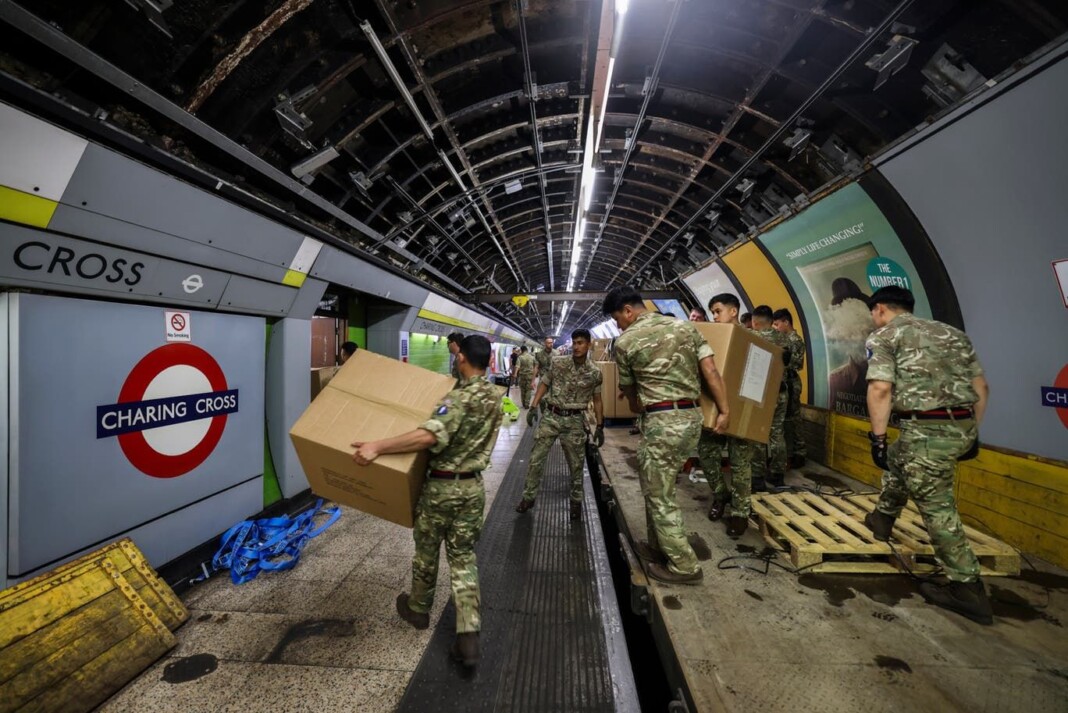
The “NATO Russian attack drill” entered a dramatic phase after Nato forces transformed a disused London Underground platform into a fully operational wartime command centre designed to prepare the alliance for a potential Russian attack on a member state.
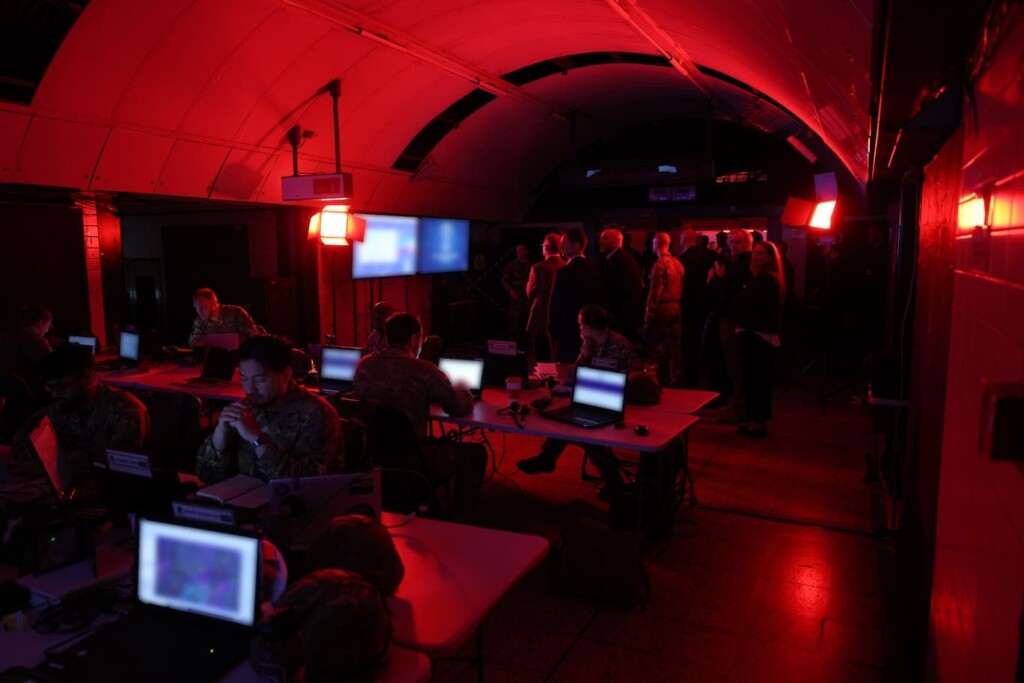
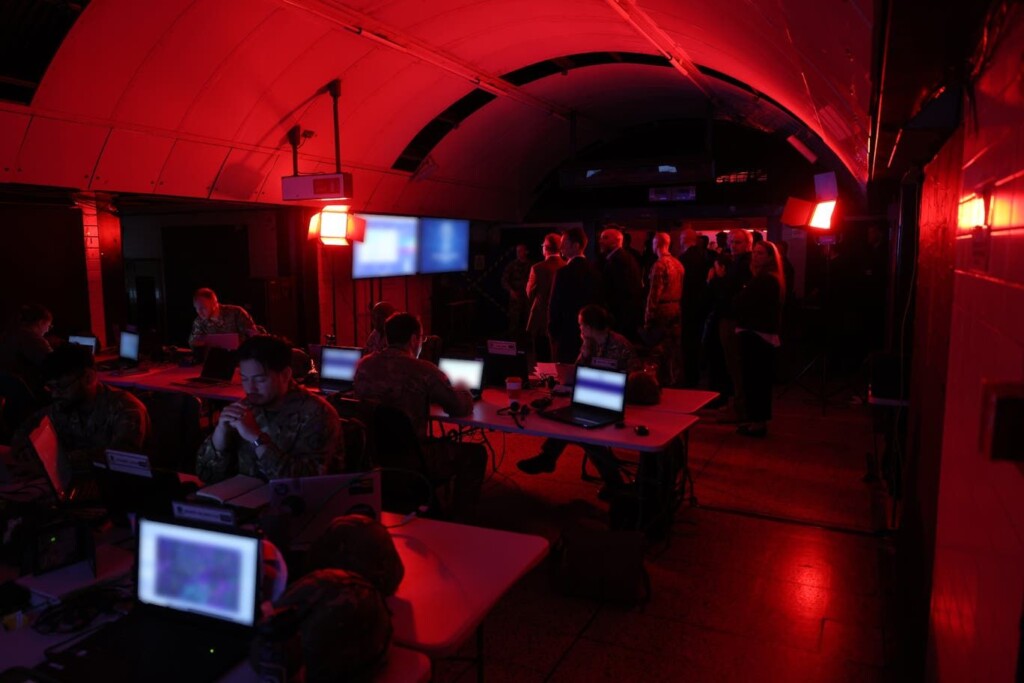
Inside Charing Cross Tube station, military personnel rehearsed underground operations involving drone warfare, electronic jamming systems, communications defence and rapid-response battlefield coordination as part of Operation Arrcade Strike.
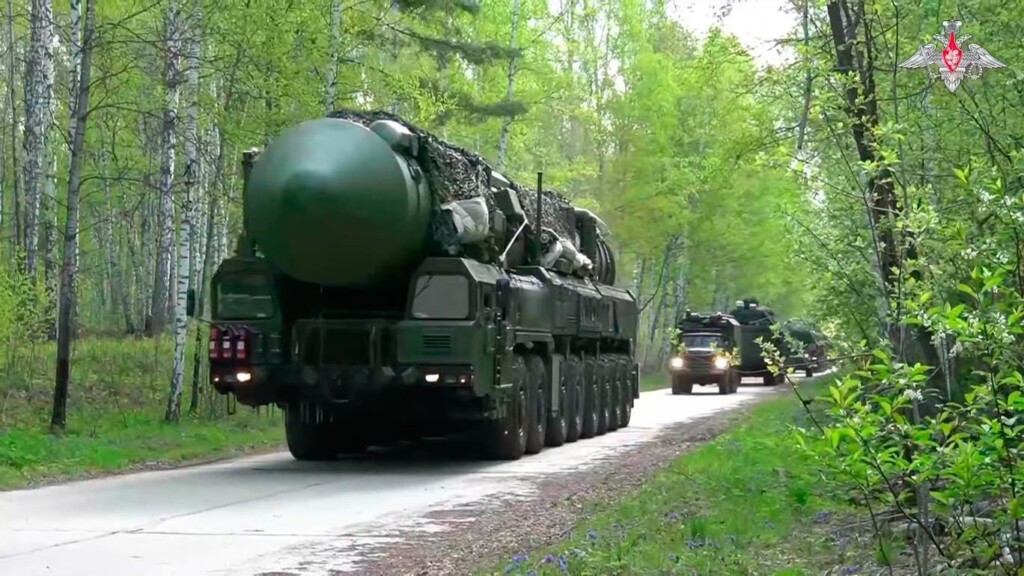
The exercise, led by the UK-run Allied Rapid Reaction Corps (ARRC), reflects growing concern inside Nato over Europe’s military readiness amid escalating tensions with Russia following the ongoing Ukraine conflict and renewed nuclear drills in Belarus.
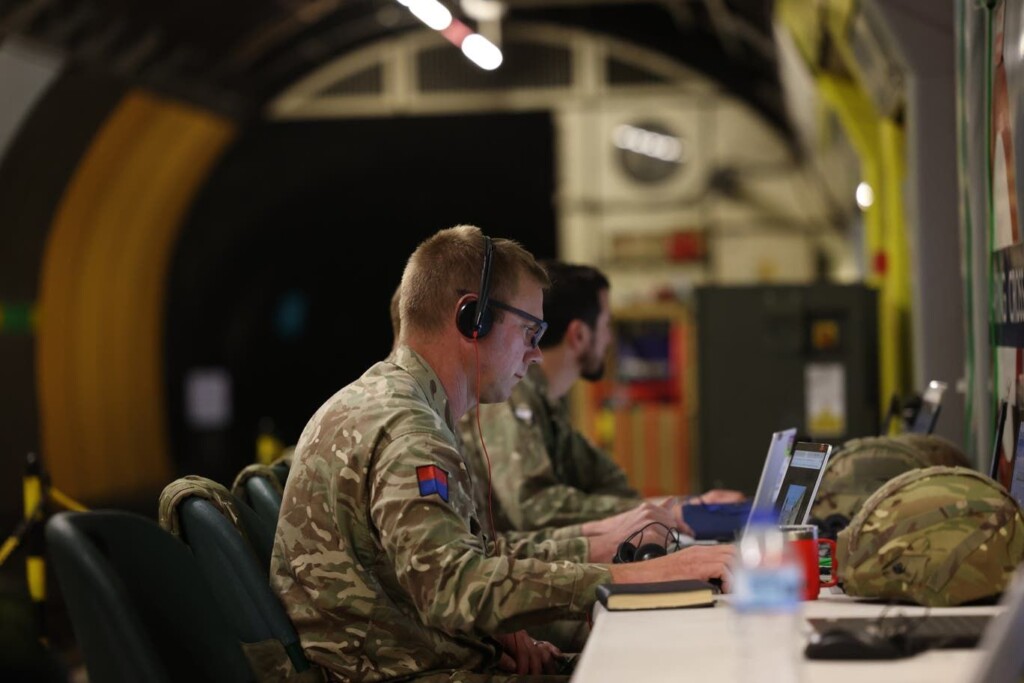
Military officials said the operation tested Nato’s ability to continue functioning even if traditional command structures are destroyed during war.
The scenes underground were reminiscent of Britain’s wartime history during the Second World War when London Tube stations served as shelters for civilians escaping German bombing raids during the Blitz.
“Mission-ready by 2030 is not a slogan”
Nato commanders warn alliance is running out of time
Senior Nato officials used the “NATO Russian attack drill” to issue stark warnings about the growing military threat posed by Russia and the urgent need for Europe to modernise its defence infrastructure.
Speaking directly from the underground command platform inside Charing Cross station, US General Christopher Donahue delivered one of the strongest warnings yet from a senior Nato commander.
“Mission-ready by 2030 is not a slogan, it is what we must do,” he said.
The general warned that traditional Nato advantages in mobilisation and troop movement can no longer be guaranteed in modern warfare due to drones, cyberattacks and long-range missile systems.
“Legacy forms of mobilisation and movement are no longer a given Nato advantage, and a lack of protection in depth will be used against us,” Donahue added.
Military strategists increasingly believe future wars will rely heavily on underground command centres capable of surviving precision missile strikes and drone attacks.
The London exercise therefore served not only as a training mission but also as a public demonstration intended to show both allies and adversaries that Nato is actively preparing for future conflict scenarios.
London Tube Station Turned Into Nato War Headquarters
Charing Cross becomes centre of underground military operations
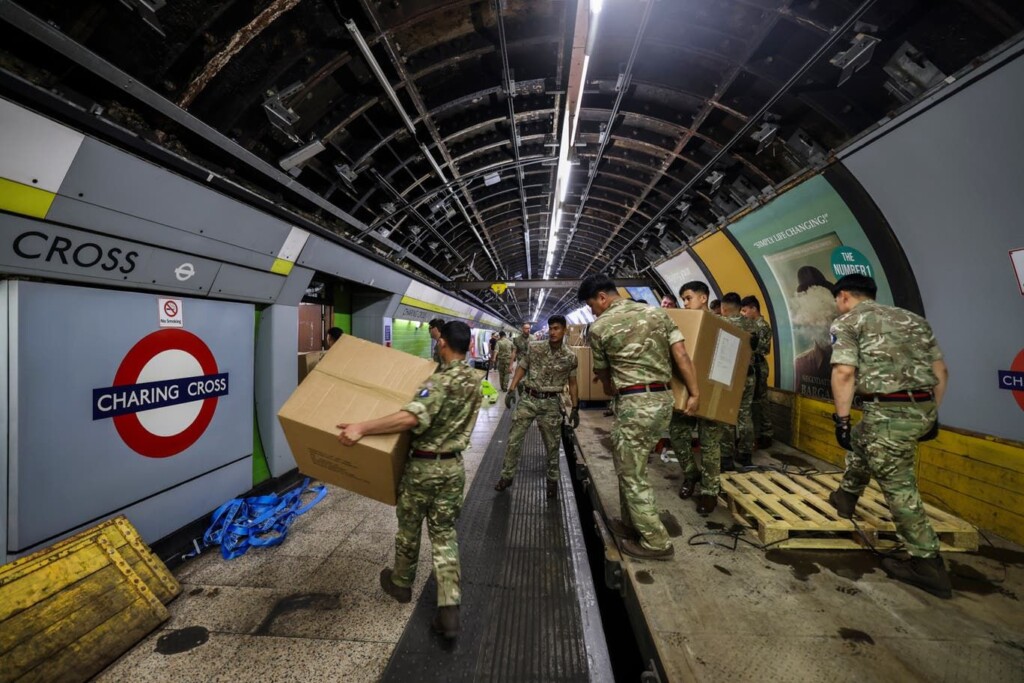
The disused Jubilee line platform at Charing Cross Underground station was transformed into a temporary Nato war headquarters capable of coordinating large-scale military operations across Europe.
According to defence officials, specialist equipment was secretly transported through the London Underground network during overnight operations before soldiers unloaded communications systems, surveillance technology and battlefield coordination tools.
Gurkha engineers reportedly helped establish the underground command infrastructure while troops from multiple Nato nations participated in the simulation.
The command centre could theoretically coordinate the deployment of more than 100,000 troops during a major conflict involving Nato forces and Russia.
Military planners chose the underground location partly because modern warfare increasingly threatens above-ground infrastructure through missile strikes, cyberattacks and drone warfare.
The exercise also highlighted how civilian infrastructure could play a role during future military emergencies.
Images released from the operation showed soldiers operating deep beneath London streets, reinforcing wartime imagery strongly associated with Britain’s resilience during the Second World War.
“Today’s deployment is a mission rehearsal”
British commanders explain “recce-strike” doctrine
British ARRC commander Lieutenant General Mike Elviss said the “NATO Russian attack drill” focused heavily on Nato’s “recce-strike” military strategy.
The doctrine combines reconnaissance technology with rapid precision strikes designed to locate and destroy enemy forces before they gain momentum.
“Today’s deployment is a mission rehearsal,” Elviss said.
“We rehearse this not just to be good at it, but because the adversary is watching, and we want him to know that we are ready for the challenge.”
The British commander admitted Russia possesses key battlefield advantages in the opening stages of a potential conflict.
“Russia has two critical advantages,” he explained. “First, they can mass combat power at the point of their attack, whereas we have an obligation to defend everywhere, all the time.”
He also noted that Russia would likely possess the initiative during the early phase of any war because it would control the timing of an attack.
Military analysts say Nato increasingly fears rapid Russian offensives targeting Baltic nations such as Estonia, Latvia and Lithuania before alliance forces can fully mobilise.
Nato Faces Growing Pressure Over Drone Warfare
Ukraine conflict exposes military weaknesses
One of the most important lessons emerging from the “NATO Russian attack drill” concerns drone warfare and modern battlefield technology.
Military officials acknowledged that Britain and several Nato countries remain behind both Russia and Ukraine in the production and deployment of low-cost drones.
Defence sources reportedly admitted the UK possesses only enough drones for approximately one week of intense warfare under current combat conditions.
By comparison, Ukraine uses thousands of drones daily across the battlefield in its war against Russia.
Military experts believe drones have permanently transformed warfare by allowing small units to conduct surveillance, target enemy positions and launch precision attacks at extremely low cost.
General Donahue stressed the seriousness of this shift.
“Drones have extended the battlefield horizontally and vertically,” he warned.
He added that inexpensive unmanned aerial vehicles now provide battlefield commanders with unprecedented reconnaissance and strike capabilities.
Russia has also rapidly adapted to evolving drone warfare tactics.
Recent battlefield reports suggest Russian fibre-optic drones have become increasingly difficult to jam electronically because they remain physically connected to operators through ultra-thin cables rather than radio signals.
Military observers say these systems have already disrupted civilian life in Ukrainian cities including Kharkiv.
Russian Nuclear Drills Raise Tensions Across Europe
Exercise comes amid wider geopolitical escalation
The “NATO Russian attack drill” occurred during a period of heightened geopolitical tension between Russia and the West.
Only days earlier, Vladimir Putin supervised joint nuclear exercises with Belarus involving land, sea and air operations.
At the same time, Britain’s Ministry of Defence released footage reportedly showing Russian military aircraft flying dangerously close to RAF surveillance planes over the Black Sea.
The timing of the London exercise therefore carried strong symbolic significance.
Military analysts believe Nato increasingly wants to demonstrate operational readiness while reassuring nervous European populations concerned about the possibility of wider war.
The exercise also unfolded amid uncertainty surrounding future American military commitments in Europe following renewed political debates inside the United States regarding troop deployments and Nato funding obligations.
Britain Faces Questions Over Military Preparedness
Critics say UK defence capability is shrinking
Despite the highly publicised underground exercise, growing criticism continues regarding Britain’s actual military readiness.
Former UK security minister Tom Tugendhat argued that current government defence spending plans remain insufficient to meet future threats.
Although Britain claims to spend approximately 2.5 per cent of GDP on defence, critics note that official calculations include pensions and intelligence costs rather than purely frontline military capability.
The UK government has pledged to eventually increase defence spending to 3 per cent of GDP, but opponents argue the timeline remains too slow given the rapidly changing security environment.
Authors behind Britain’s Strategic Defence Review also warned the country remains “underprepared and underinsured” against emerging Russian threats.
Reports additionally suggest the Ministry of Defence faces a multibillion-pound shortfall affecting future military modernisation programmes.
Why Nato Is Moving Underground
Future wars may target civilian infrastructure
Military strategists increasingly believe future wars will involve attacks on communications systems, transport networks and civilian infrastructure far from traditional frontlines.
That reality explains why Nato chose to test underground operations beneath one of the world’s busiest cities.
Underground command centres provide protection against missile attacks, drone surveillance, cyber disruptions, electronic warfare systems and air strikes.
The “NATO Russian attack drill” therefore represented more than a symbolic exercise.
It demonstrated how Western militaries are adapting to a battlefield where cities themselves may become operational zones during future conflict.
The operation also showed how civilian transport systems such as the London Underground could potentially support military logistics and emergency coordination during wartime conditions.
Nato Sends Message To Russia
Alliance uses London exercise as strategic signal
Military experts believe the exercise served an important psychological purpose alongside its operational objectives.
By publicly revealing images of troops operating beneath London, Nato appeared eager to signal resilience, readiness and adaptability to Russia.
Lieutenant General Elviss openly acknowledged that part of the exercise involved deterrence messaging.
“The adversary is watching,” he said.
The underground military operation therefore functioned not only as preparation but also as strategic communication aimed at discouraging potential aggression.
As tensions between Nato and Russia continue rising, such demonstrations are likely to become increasingly common across Europe.
Read more: Gaza flotilla activists allege sexual assault during Israeli detention
Read more: Ireport247news
About The Author