The Nato warns Russia of devastating consequences if Moscow deploys nuclear weapons against Ukraine, as fears of a dangerous new phase in the war intensified Thursday following the launch of massive Russian-Belarusian military drills involving nuclear-capable missiles, strategic submarines and tens of thousands of troops.
Nato secretary general Mark Rutte issued the stark warning after Russia confirmed it had transferred nuclear munitions into storage facilities inside Belarus and begun large-scale exercises simulating the deployment and movement of nuclear-capable weapons systems near Nato territory.
“Well, Russia knows if that happens, the reaction is devastating,” Rutte said at Nato headquarters when asked about the possibility of a Russian nuclear strike against Ukraine.
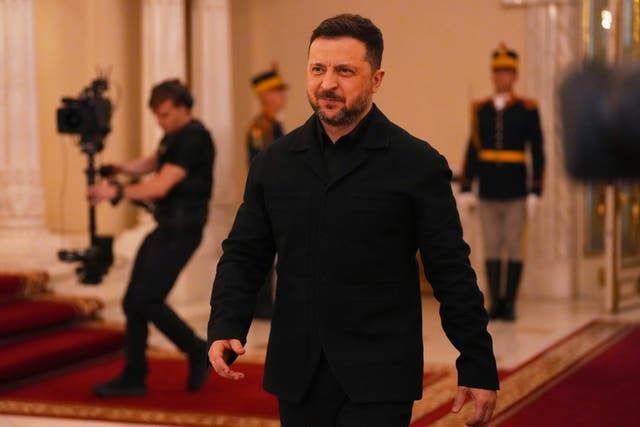
The warning comes as Ukrainian president Volodymyr Zelensky said Kyiv was strengthening northern defences amid growing concern that Moscow could be preparing a fresh offensive involving Belarusian territory.
The developments have heightened fears across Europe that the war may be entering its most dangerous stage since Russia’s full-scale invasion of Ukraine in 2022.
Russia expands nuclear signalling through Belarus
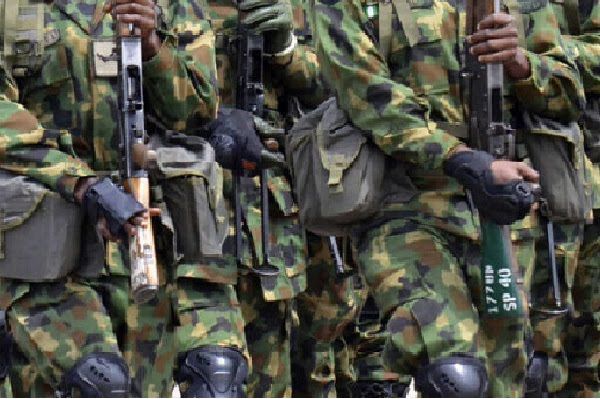
Russia’s defence ministry said more than 64,000 military personnel and over 7,800 pieces of military equipment are participating in the drills taking place across Russia and Belarus.
Moscow said the exercises include more than 200 missile launchers, over 140 aircraft, 73 surface ships and 13 submarines, including eight strategic missile submarines capable of carrying nuclear weapons.
Russian officials confirmed that nuclear munitions had already been delivered to field storage facilities in Belarus as part of the exercise.
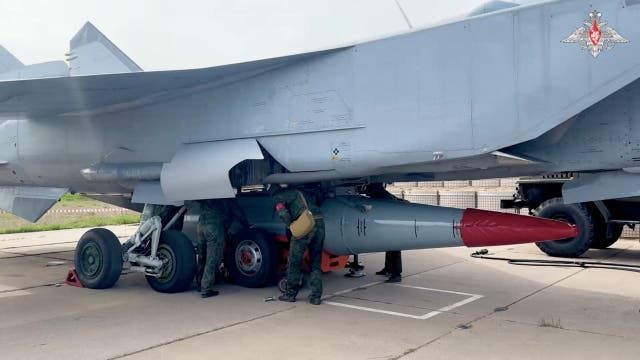
The drills involve preparing Iskander-M missile systems for deployment, including the loading of nuclear-capable warheads and covert transportation to launch areas.
The Iskander-M tactical missile system, known by Nato as the “SS-26 Stone,” can carry both conventional and nuclear warheads with a range of up to 500 kilometres.
Military analysts say the drills are designed not only to test operational readiness but also to send a political message to Nato and Ukraine about Russia’s willingness to escalate pressure.
Belarus emerges as central pillar of Putin’s war strategy
The exercises underscore Belarus’ growing role as one of Moscow’s closest military partners since the start of the war.
Russian forces initially used Belarusian territory during the opening stages of the 2022 invasion of Ukraine, and cooperation between President Vladimir Putin and Belarusian leader Alexander Lukashenko has deepened significantly in recent months.
Belarus has increasingly hosted Russian military assets, including nuclear-capable systems and advanced missile platforms.
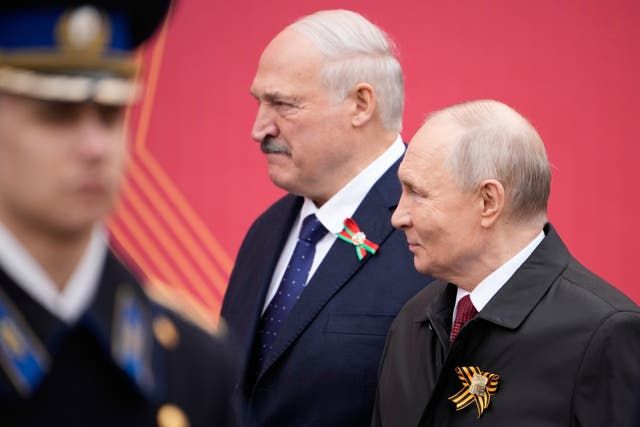
The latest drills came days after Lukashenko appeared prominently alongside Putin during Russia’s Victory Day events, reinforcing the increasingly strategic alliance between the two leaders.
Ukraine has warned that Belarus could again become a launch point for future Russian military operations targeting northern Ukraine and Kyiv.
“As of now, we haven’t detected any movement of equipment or personnel directly at our border, but of course, we can see the pressure Russia is putting on Belarus,” Ukrainian border spokesperson Andriy Demchenko said.
The possibility of renewed military activity from Belarusian territory has revived memories of the early weeks of the war when Russian troops rapidly advanced toward Kyiv from the north.
Nato confronts rising fears of escalation
Nato officials say the alliance is closely monitoring the drills amid concerns about potential miscalculation or accidental escalation.
The latest exercises come at a time of rising instability across Nato’s eastern flank, where drone incidents and military tensions have increasingly spilled into neighbouring countries.
Latvia said Thursday it detected at least one drone in its airspace, prompting Nato fighter jets to respond before authorities later announced the threat had ended.
Poland’s defence minister Wladyslaw Kosiniak-Kamysz also urged Ukraine to exercise caution in drone operations after several incidents involving drones crossing into Nato member states.
“Our territories should not be violated, they should not be threatened,” he said during a security briefing in Tallinn.
Although Baltic governments have blamed Russia for redirecting Ukrainian drones toward Nato territory, public evidence supporting the claim has not yet been released.
Security experts warn that the growing number of aerial incidents increases the risk of accidental confrontation between Russia and Nato forces.
Nuclear rhetoric reshapes European security calculations
Russia’s decision to move nuclear munitions into Belarus represents one of the clearest demonstrations yet of Moscow’s willingness to use nuclear signalling as part of its broader wartime strategy.
Since the beginning of the conflict, Putin has repeatedly referenced Russia’s nuclear arsenal while warning Western countries against deeper involvement in the war.
Western governments have consistently attempted to balance military support for Ukraine with efforts to avoid direct confrontation with Moscow.
Rutte’s warning of “devastating consequences” reflects the increasingly delicate balance Nato faces as it seeks to deter escalation without triggering wider conflict.
Military analysts note that while the likelihood of actual nuclear use remains low, repeated nuclear signalling can still alter strategic calculations across Europe.
“The danger is not only deliberate escalation,” one European security analyst said. “The danger is miscalculation, misunderstanding or a crisis spiralling faster than diplomacy can contain.”
Peace diplomacy continues despite military escalation
Despite the heightened rhetoric, diplomatic efforts remain active behind the scenes.
The Kremlin confirmed Thursday that Putin discussed possible peace efforts with Chinese president Xi Jinping during his recent visit to China.
Kremlin spokesperson Dmitry Peskov said Beijing remained willing to assist efforts aimed at ending the war.
Meanwhile, Zelensky indicated there had recently been productive contact with the United States regarding renewed negotiations involving European partners.
“If, in the coming weeks, we manage to return to meaningful trilateral communication and involve the Europeans, this would be the right outcome,” Zelensky said in his overnight address.
European officials are reportedly considering whether former German chancellor Angela Merkel or former European Central Bank president Mario Draghi could potentially represent Europe in future negotiations with Moscow.
However, the scale of Russia’s current military exercises has raised doubts among some analysts about how close either side truly is to serious peace negotiations.
Europe faces its most fragile security moment in years
The Nato warns Russia of devastating consequences statement highlights how rapidly the Ukraine war is evolving into a broader geopolitical confrontation involving nuclear deterrence, regional security and the future balance of power in Europe.
Russia’s deployment of nuclear munitions to Belarus, combined with renewed fears of offensives targeting Kyiv, has intensified concern that the conflict could become increasingly unpredictable.
While diplomatic channels remain open, the simultaneous escalation of military drills, nuclear messaging and cross-border security incidents is creating one of the most volatile moments in Europe since the Cold War.
Read also: UK summons Israel over Ben-Gvir video as diplomatic crisis widens
For Nato, Ukraine and Russia alike, the challenge now is whether deterrence can continue preventing direct confrontation as tensions rise on multiple fronts.
About The Author