Renewed cross-border fighting between Thailand and Cambodia has entered its fourth day, with both sides blaming each other for violations while awaiting U.S. President Donald Trump’s intervention.
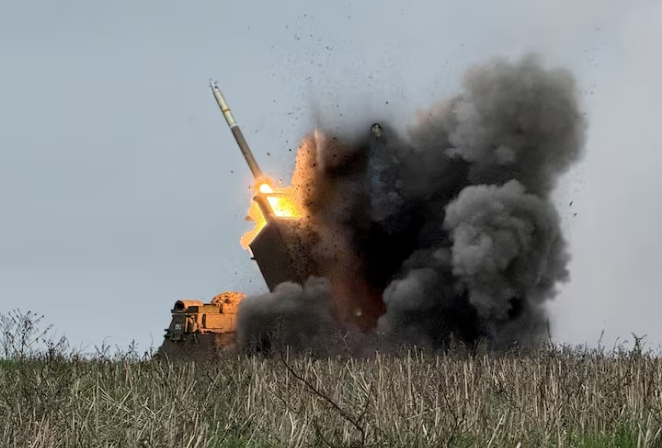
Cambodia’s Ministry of Defence reported early Thursday that Thai forces launched multiple attacks using tanks and artillery across Pursat, Banteay Meanchey, and Oddar Meanchey provinces, intensifying border hostilities.
One significant attack targeted Prey Chan village, with Cambodia accusing Thailand of indiscriminately firing on civilians, including women and children, in violation of international humanitarian law and protections.
Shelling was also reported in the Khnar Temple area, with Thai artillery and support fire striking O’Smach, threatening nearby villages and raising concerns over cultural and historical heritage damage.
“Cambodia urges Thailand to immediately halt all hostile activities and withdraw forces from Cambodian territory, avoiding aggression that undermines peace, stability, and security in the region,” said the Defence Ministry.
Clashes occurred at more than a dozen locations along the 817-kilometre Thai-Cambodian border, marking the most intense fighting since a July five-day battle that killed dozens on both sides.
The Ministry of the Interior reported extensive damage to homes, schools, roads, and Buddhist pagodas due to intensified shelling and F-16 airstrikes targeting villages up to thirty kilometres inside Cambodia.
“These acts indiscriminately targeted civilians, schools, and historic temples including Ta Krabey and Preah Vihear, destroying Cambodia’s most sacred cultural heritage sites,” the Ministry added in a stern public statement.
By Wednesday, ten Cambodian civilians, including an infant, had been killed, with at least sixty others injured, reflecting the rising human cost of the intensifying Thai-Cambodian border clashes.
The Thai army responded, claiming Cambodia intentionally used ancient sites as military bases to attack Thailand, making retaliatory strikes necessary and denying deliberate targeting of civilians or schools.
“Cambodia deliberately undermined the protection of ancient sites while using them for military operations. Thailand retaliated as necessary to defend its territory,” said a Thai military spokesperson in Bangkok.
Eight Thai soldiers have also died, with eighty more wounded in ongoing battles, highlighting severe casualties on both sides in what has become a rapidly escalating military confrontation.
Both nations blame each other for reigniting the conflict, which began on Monday and has now expanded to five provinces, according to AFP’s tally of the affected border areas.
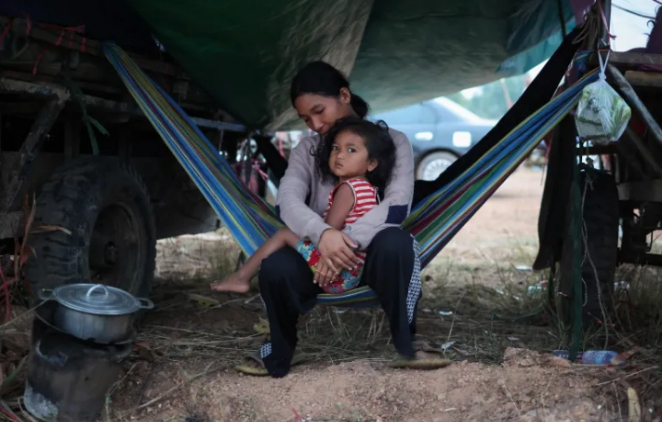
Over 500,000 civilians have fled Thailand and Cambodia’s border regions, seeking refuge in temporary shelters, showing the severe humanitarian impact of the ongoing cross-border fighting and instability.
This crisis follows a previous ceasefire signed on October 26 in Kuala Lumpur, Malaysia, brokered by Trump and Malaysian Prime Minister Anwar Ibrahim, which many considered fragile due to lingering tensions.
Trump, reflecting on the previous ceasefire, expressed optimism about securing another peace agreement, saying, “I think I can get them to stop fighting,” highlighting U.S. diplomatic engagement.
“I am scheduled to speak to both sides tomorrow,” Trump added, signaling ongoing efforts to mediate and stabilize the region amid escalating border hostilities and international concern.
Analysts say the colonial-era border dispute is further complicated by domestic politics in Thailand and Cambodia, which may drive leaders toward aggressive military strategies to assert national pride.
Human rights organizations have condemned attacks on civilian areas and cultural sites, urging international intervention to prevent further casualties and destruction of Cambodia’s invaluable historical monuments.
The United Nations has called for immediate restraint, warning that targeting civilians and protected cultural sites constitutes a violation of international law, a message both governments appear to be ignoring.
Military experts note that using tanks, artillery, and airpower in densely populated areas increases the risk of catastrophic civilian casualties if fighting continues unchecked along the border.
Local markets have been disrupted, trade across the border halted, and refugee camps strained, illustrating the economic consequences of the conflict in addition to the human and cultural tolls.
Observers suggest that U.S. pressure, including Trump’s planned calls, could influence both nations, as Thailand and Cambodia may seek to avoid further international condemnation or sanctions.
However, Thailand’s foreign minister stated that Cambodia is “not ready” for peace negotiations, complicating diplomatic efforts and raising fears of a prolonged and destructive border conflict.
Historical disputes stemming from colonial-era demarcations continue to influence national pride and territorial claims, making compromise politically challenging for both governments amid rising nationalist sentiment.
As refugee numbers increase, the international community faces mounting pressure to provide humanitarian aid, while diplomatic channels, including U.S. mediation, remain critical to prevent escalation.
Eyewitnesses in Banteay Meanchey reported hearing heavy artillery throughout the night, with villagers describing panic, fleeing families, and damaged homes as fear of further fighting spread.
“People ran with their children through the mud, carrying what little they could save,” said a local resident, emphasizing the personal toll and human suffering caused by the border clashes.
Aid agencies report severe shortages of food, clean water, and medical supplies in temporary shelters housing displaced civilians, highlighting the urgency of humanitarian assistance alongside diplomatic efforts.
Cambodia’s Interior Ministry emphasized the destruction of schools and hospitals, noting that essential services have been severely disrupted by shelling and airstrikes in affected border areas.
Thailand maintains that its actions are defensive, citing Cambodia’s military use of historical sites as justification, yet both governments have faced international criticism for escalating tensions.
Reports indicate that cross-border fighting has impacted key transportation routes, further isolating remote communities and complicating relief efforts to reach affected populations.
Regional experts warn that escalation could destabilize the broader Mekong region, potentially straining relations among ASEAN member states and increasing the risk of wider conflict.
Cultural heritage specialists have condemned damage to Preah Vihear and Ta Krabey temples, noting that destruction of UNESCO-recognized sites represents not only national loss but global cultural heritage loss.
The combination of territorial disputes, historical grievances, and domestic politics has created a volatile environment where military action is preferred over dialogue, analysts note.
Some observers warn that both countries’ leaders may use the conflict to boost political legitimacy, making a rapid resolution less likely without international pressure or mediation.
Military strategists have expressed concern that ongoing airstrikes and artillery use in civilian-populated regions increases the potential for indiscriminate casualties, potentially exacerbating regional instability.
The humanitarian crisis continues to grow, with thousands of families living in overcrowded shelters, facing cold temperatures and limited resources while border fighting rages on.
Reports from refugee camps describe children suffering from trauma, adults struggling with injuries, and limited access to healthcare, illustrating the urgent need for international humanitarian intervention.
Diplomats are monitoring the situation closely, with expectations that Trump’s scheduled phone calls could encourage temporary de-escalation, though skeptics warn that entrenched territorial claims may limit the effectiveness of diplomacy.
The international community has urged restraint and warned against targeting civilians, emphasizing that cultural heritage and human lives should be protected under international conventions during conflicts.
While both governments publicly claim defensive motives, analysts argue that political considerations and public opinion are driving military escalation, risking further casualties and long-term damage to bilateral relations.
The conflict underscores ongoing challenges in Southeast Asia, where colonial-era borders, nationalism, and regional politics intersect, creating recurring flashpoints along Thailand and Cambodia’s shared frontier.
Local journalists report that some villagers remain trapped by fighting, unable to reach shelters, as both sides continue to exchange fire and artillery along contested areas.
The situation remains fluid, with clashes reported daily, making the prospect of a lasting ceasefire uncertain despite Trump’s planned intervention and diplomatic overtures from neighboring countries.
In summary, cross-border fighting between Thailand and Cambodia has intensified, causing civilian casualties, cultural destruction, economic disruption, and mass displacement, while Donald Trump prepares diplomatic efforts to broker peace.
Read also:Zelenskyy sounds alarm over growing Russia-China military-industrial cooperation
About The Author