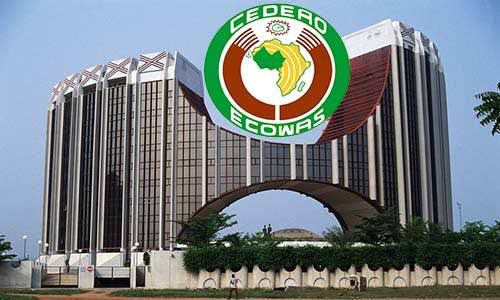
The House of Representatives on Wednesday witnessed intense deliberations as lawmakers debated which committee should handle the high-profile case involving the alleged non-remittance of over N16tn in government revenue by the Central Bank of Nigeria (CBN).
The development has placed the spotlight firmly on the CBN governor, Olayemi Cardoso, prompting calls for accountability from Nigeria’s apex financial institution.
CBN Governor Summon: Lawmakers Demand Accountability
The motion titled “Non-remittance of over N5tn operating surplus and N11tn government revenue by the Central Bank of Nigeria”, sponsored by Osun State lawmaker and Public Accounts Committee (PAC) Chairman, Bamidele Salam, formed the crux of the debate.
QSalam urged the House to summon the CBN governor to provide explanations and present actionable measures to ensure immediate payment of all outstanding debts owed to the Federal Government.
The motion revealed that from March 2015 to April 2016, significant discrepancies existed in the administration of the Remita Revenue Collection System, with the CBN allegedly failing to remit substantial amounts of government revenue.
The committee found that unpaid operating surpluses alone amounted to ₦5.2tn, while other discrepancies in the Remita platform and migration of funds accounted for over ₦11tn in total outstanding liabilities.
Heated Debate Over Committee Jurisdiction
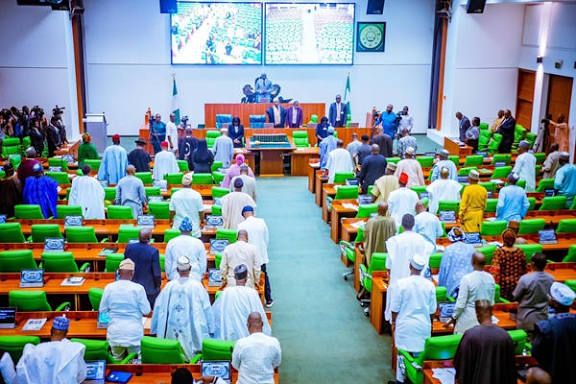
The House floor erupted in tension as Kano State lawmaker Ghali Tijani proposed forming an ad-hoc committee to handle the matter, a move opposed by members insisting the PAC should retain jurisdiction.
APC member Ahmed Jaha of Borno State emphasized the importance of upholding the sanctity of existing committees.
“The Committee on Public Accounts has been investigating financial irregularities for years. There is no need to undermine its authority,” Jaha said.
He further called for a firm directive to compel the CBN governor to appear before PAC, citing previous refusals to honor invitations.
Katsina lawmaker Sada Soli also defended PAC, stressing its constitutional mandate to oversee the financial activities of strategic government institutions.
“This is the only committee mentioned in the Constitution. It is tasked with examining Auditor-General reports and ensuring accountability. We must summon the CBN governor directly,” Soli said
PAC Findings and Financial Irregularities
During proceedings, Salam briefed lawmakers on PAC’s investigation into the Auditor-General’s Report for the 2022 financial year.
The committee discovered discrepancies in charges collected through the Remita platform, highlighting a variance of ₦954m in refunded amounts. Interest computed at a monetary policy rate of 27.25 per cent increased the total due refund to over ₦3.2bn.
Additionally, the migration discrepancy of ₦2.68tn remains outstanding and payable to the Federal Government’s Assets Recovery Account.
These findings, coupled with the repeated non-compliance of the CBN governor to PAC invitations, spurred calls for an immediate CBN governor summon to ensure accountability.
Strengthening Oversight and Financial Discipline
The House resolved that a formal summons be issued to the CBN governor, compelling his appearance before PAC.
Lagos lawmaker Babajimi Benson had earlier suggested a multi-committee ad-hoc panel, but the motion was rejected in favor of maintaining PAC’s constitutional authority.
The resolution underscores the House’s commitment to strengthening financial discipline and enforcing statutory obligations of revenue-generating agencies.
Lawmakers highlighted that continued non-remittance of public funds not only undermines fiscal policy but also jeopardizes national development initiatives.
Implications for Nigeria’s Fiscal Management
The CBN governor summon represents a critical step in addressing systemic issues in Nigeria’s financial management.
PAC’s findings demonstrate significant revenue leakages and unremitted funds that could otherwise contribute to infrastructure, social programs, and economic stabilization.
“The revelations are damning. This House must act decisively to compel the apex bank to comply with statutory duties,” Salam asserted.
Lawmakers emphasized that holding the CBN accountable is essential for restoring public trust and reinforcing governance frameworks within Nigeria’s financial sector.
The House of Representatives’ resolution to summon the CBN governor over the N16tn controversy signals a renewed emphasis on transparency, accountability, and effective oversight.
By enforcing statutory compliance, the legislature aims to ensure that strategic agencies like the CBN fulfill their obligations to the Federal Government, strengthening fiscal discipline and reinforcing public confidence in the management of national resources.
The coming weeks will be pivotal, as the CBN governor’s response to the summons is expected to shed light on these discrepancies and set a precedent for accountability in Nigeria’s financial governance.
About The Author