Oil prices fall on Monday as rising Middle East crude exports and a planned release of emergency oil stocks by G7 nations ease immediate supply concerns despite continuing attacks on Gulf energy infrastructure.
Brent crude futures fell 72 cents, or 0.71 per cent, to $101.59 a barrel by 0634 GMT, while US West Texas Intermediate crude dropped $1.05, or 1.2 per cent, to $90.05 a barrel.
The decline came as traders weighed increasing crude supplies against the risks posed by the continuing US-Israeli war on Iran and attacks affecting commercial shipping and energy infrastructure across the Gulf region.
G7 Oil Stock Release Eases Supply Fears
A major factor weighing on prices was the decision by G7 countries to release 100 million barrels of diesel and crude from emergency reserves.
The agreement was reached on Friday after pressure from US President Donald Trump, with the G7 nations also pledging to avoid energy export restrictions.
The additional supplies are expected to reduce some of the immediate concerns surrounding disruptions caused by the Middle East conflict.
Tim Waterer, chief analyst at KCM Trade, said the G7 decision was helping to remove some of the immediate supply anxiety from the oil market.
“The G7 decision to tap strategic reserves is taking some of the immediate supply anxiety out of the price, while there’s a growing view that Saudi export volumes are moving back toward pre-war levels, even if those barrels are still moving at higher cost and via less efficient routes,” Waterer said.
He added that the combination of additional stock releases and higher Saudi export volumes was enough to suppress prices for the moment, although risks to Gulf energy infrastructure remained.
“That combination is enough to subdue prices for now even though the risks of further damage to energy infrastructure around the Gulf region haven’t gone away.”
Middle East Crude Exports Rise
The G7 release comes as Middle East crude exports show signs of recovering despite attacks on tankers travelling through the Strait of Hormuz.
Shipping data showed that Middle Eastern crude exports rose above pre-war levels on four of the seven days during the final week of September.
The increase suggests that producers and traders are finding alternative ways to move crude despite the security challenges facing one of the world’s most important oil corridors.
The Strait of Hormuz remains central to the global energy market because disruptions there can affect the movement of large volumes of oil and refined products to international consumers.
The increased flow of crude has therefore provided some relief to markets that had feared a prolonged supply shock from the regional conflict.
Saudi Aramco Attacks Raise New Concerns
Despite the decline in crude prices, the security situation around Gulf energy infrastructure remains highly uncertain.
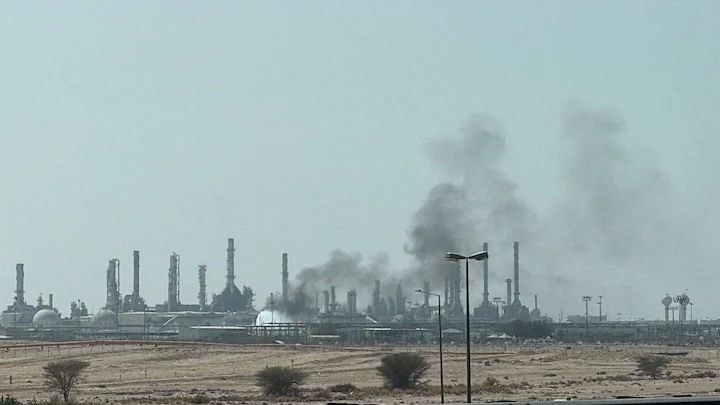
The Houthis said they had launched ballistic missiles and drones at Saudi Aramco facilities in Riyadh and the Khurais area of Saudi Arabia.
The Iran-backed group claimed the attacks caused major fires and said they were carried out in response to 50 Saudi-led air and missile strikes on Yemen over a 12-hour period.
Saudi Arabia had not immediately confirmed the Houthi claims.
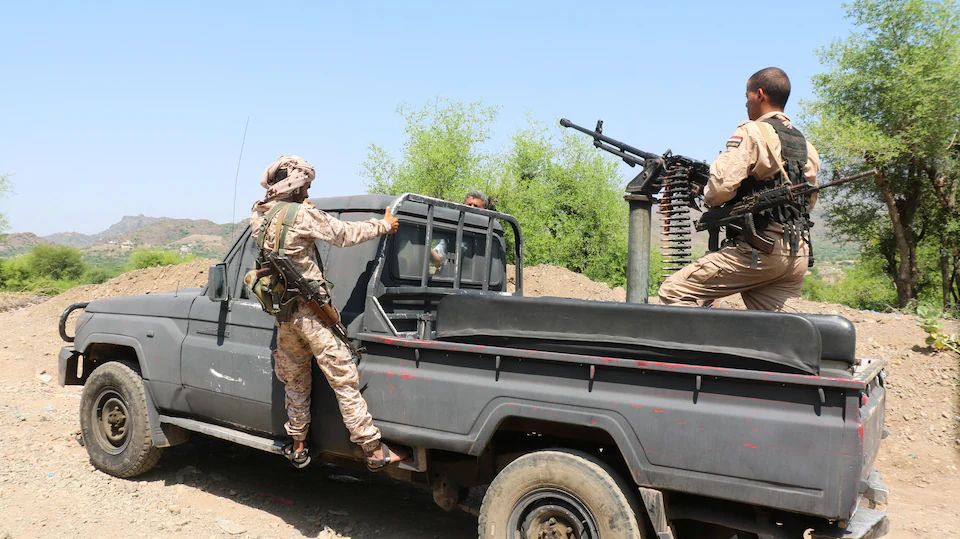
The reported attacks came shortly after Yemen’s Saudi-backed, internationally recognised government announced a major military campaign aimed at recapturing territory controlled by the Houthis.
The simultaneous military escalation has created fresh risks for Saudi oil infrastructure, even as crude exports begin moving closer to previous levels.
Saudi Aramco Cuts November Oil Prices
Saudi Aramco also unexpectedly reduced its November crude oil prices for Asian buyers to six-year lows.
The price cut adds another significant element to the global oil market at a time when geopolitical risks remain elevated.
Brent crude nevertheless remained above $100 a barrel, reflecting continuing concerns about the conflict and the growing number of attacks on commercial vessels in the Gulf.
ING analysts said persistent geopolitical tensions and increased attacks on shipping were supporting Brent prices despite the recent decline.
The contrasting developments show the difficulty facing the oil market: physical crude supplies are recovering in some areas, but the security risks surrounding production and transportation remain substantial.
OPEC+ Faces 2027 Production Uncertainty
The uncertainty has also affected longer-term production planning by OPEC+.
The group delayed a review that would have helped determine oil output quotas for 2027 after the war with Iran disrupted projects aimed at expanding production capacity across the Middle East.
Two sources familiar with the matter said the disruption had created uncertainty over future production potential.
The delay means producers face a more complicated outlook as they assess how much additional crude can realistically reach international markets.
For consumers, the eventual decisions by OPEC+ could be important because they will help determine the balance between available supplies and demand in the coming year.
Houthis Add Pressure to Gulf Oil Market
The latest Houthi attacks also demonstrate how Yemen’s conflict is becoming increasingly connected to the wider Middle East energy crisis.
The Houthis have expanded their military operations as the regional war has intensified, while Saudi Arabia has backed the Yemeni government’s campaign to regain territory.
The strategic importance of the conflict has increased because of the Bab el-Mandeb Strait, a major maritime passage connecting the Red Sea with the Gulf of Aden and providing an important route between Europe and Asia.
Any prolonged disruption around the strait or the Strait of Hormuz could increase transportation costs and place additional pressure on global energy supplies.
For now, however, rising exports and the G7 emergency stock release are providing a counterweight to those fears.
Ukraine Adds Another Oil Supply Risk
The global energy market is also facing pressure from the war in Ukraine.
Ukrainian President Volodymyr Zelenskiy told Reuters that Ukraine would intensify attacks on Russian oil refineries in response to Moscow’s expanding campaign of airstrikes.
The development introduces another potential source of disruption to global petroleum markets, particularly if attacks significantly affect Russian refining capacity.
Russia and Ukraine have continued striking energy-related infrastructure as the wider conflict intensifies, adding another layer of uncertainty to an already fragile international oil market.
Read also: Yemen Houthi counteroffensive: Government launches major offensive to retake territory from Iran-Backed rebels
Oil Market Balances Supply and Security Risks
The immediate direction of oil prices will depend on whether improving crude flows can continue to offset the security risks created by the Middle East conflict.
The G7 stock release has provided traders with additional confidence that emergency supplies can cushion short-term disruptions.
At the same time, Middle Eastern crude exports moving above pre-war levels on several days have reduced fears of an immediate global supply shortage.
But attacks on commercial vessels, reported strikes against Saudi Aramco facilities and the possibility of further damage to Gulf energy infrastructure continue to pose serious risks.
The market is therefore balancing two competing forces: additional barrels entering the global supply system and growing geopolitical threats to the infrastructure and shipping routes needed to deliver them.
For now, that balance has pushed oil prices fall into focus, with Brent remaining above $100 a barrel despite the latest decline.
The broader outlook remains dependent on developments across the Gulf, the Strait of Hormuz, Yemen, Iran and Russia, as traders assess whether increased supplies can continue to absorb the impact of the region’s escalating military conflicts.