


Oil prices fell sharply on Thursday after investors reacted to signs of easing tensions in the Middle East, raising hopes that a broader ceasefire agreement could reduce risks to global energy supplies and ease concerns over disruptions in the Strait of Hormuz.
Brent crude futures dropped $3.20, or 3.27 per cent, to $94.61 per barrel, while US West Texas Intermediate crude fell $3.71, or 3.86 per cent, to $92.31 per barrel.
Oil Prices Today
| Benchmark | Price |
| Brent Crude WTI Crude Daily Change (Brent) Daily Change (WTI) Main Driver Market Focus | $94.61 per barrel $92.31 per barrel -3.27% -3.86% Middle East ceasefire hopes Strait of Hormuz and regional diplomacy |
The decline followed reports that Israel and Lebanon had agreed to implement a ceasefire, fuelling expectations that wider diplomatic efforts involving Iran and the United States could help reduce geopolitical risks that have driven oil market volatility in recent weeks.
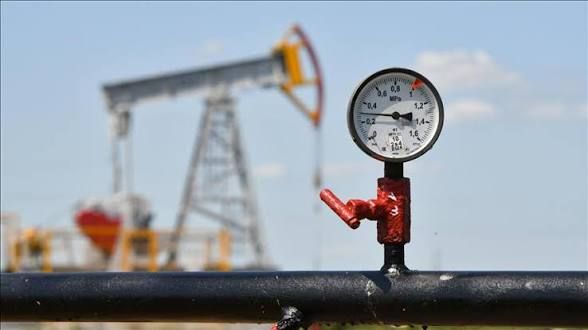
The latest price movement comes after crude benchmarks rose earlier in the week amid concerns over renewed military activity in the region and fears that escalating tensions could threaten one of the world’s most important oil transit routes.
Why Are Oil Prices Falling?
Oil markets are highly sensitive to geopolitical developments in the Middle East because the region accounts for a significant share of global crude production and exports.
Traders viewed the reported ceasefire agreement as a potential step toward broader regional stability. Expectations that tensions may continue to ease reduced concerns about supply disruptions, prompting investors to take profits after recent price gains.
Market sentiment was further influenced by indications that diplomatic channels between regional stakeholders remain active, reducing the immediate likelihood of a prolonged escalation.
What Is the Strait of Hormuz and Why Does It Matter?
The Strait of Hormuz is one of the world’s most strategically important energy corridors.
Located between the Persian Gulf and the Gulf of Oman, the narrow waterway serves as a critical shipping route for crude oil and liquefied natural gas exports from major producers including Saudi Arabia, Iraq, the United Arab Emirates, Kuwait and Iran.
Analysts estimate that roughly one-fifth of global oil consumption passes through the Strait of Hormuz.
As a result, any threat to shipping activities in the area often triggers sharp increases in oil prices because traders fear disruptions to global supply.
Recent concerns about military activity near the strait contributed to earlier price increases before ceasefire developments helped calm markets.
US Crude Inventories Add Pressure on Prices
Supply data from the United States also contributed to market movements.
According to the US Energy Information Administration, crude oil inventories fell by 8 million barrels to 433.7 million barrels in the week ended May 29.
Although a decline in stockpiles generally supports oil prices, investors appeared more focused on geopolitical developments and the possibility of reduced supply risks.
Meanwhile, Russia’s Deputy Prime Minister Alexander Novak acknowledged that Russian oil production has declined since the start of the year because of unplanned refinery maintenance, adding another layer of uncertainty to global supply dynamics.
Latest Developments in Global Oil Markets
Despite Thursday’s decline, oil markets remain vulnerable to sudden geopolitical shocks.
Energy traders continue to monitor negotiations involving Iran, Israel, Lebanon and the United States, as well as developments affecting shipping routes across the Middle East.
Market participants are also watching OPEC+ production policies, Russian output levels and global economic growth trends that could influence future demand for crude oil.
Analysts warn that any renewed escalation in the region could quickly reverse recent price declines and trigger another surge in global energy prices.
How Falling Oil Prices Could Affect Nigeria
Nigeria remains heavily dependent on crude oil exports for government revenue and foreign exchange earnings, making global oil price movements a major economic concern.
Lower crude prices can reduce export revenues and weaken government earnings if declines persist for an extended period. This could place additional pressure on budget implementation, foreign exchange reserves and public spending plans.
However, lower oil prices may also create opportunities for fuel consumers if domestic refiners pass on reduced feedstock costs.
Analysts note that the impact on petrol prices in Nigeria is not always immediate because fuel costs are also influenced by exchange rates, transportation expenses, taxes and distribution costs.
The latest market developments come as Nigeria seeks to increase crude production while expanding local refining capacity.
Why Dangote Refinery Matters
The Dangote Refinery has emerged as one of the most important players in Nigeria’s energy sector.
With refining capacity designed to reduce dependence on imported fuel, the refinery has become a major buyer of locally produced crude while also increasing exports of refined petroleum products.
Industry observers believe a stable domestic refining sector could help cushion Nigeria against some global fuel supply shocks and reduce exposure to international refining margins.
As refining operations expand, market participants are closely monitoring how crude supply agreements between upstream producers and domestic refiners evolve.
NNPC’s Position
The Nigerian National Petroleum Company Limited recently reported significant increases in revenue and profitability, reflecting stronger operational performance and improved market conditions.
Despite those gains, lower global oil prices could affect future earnings if market weakness persists.
Analysts say maintaining production growth while attracting fresh investment into upstream operations will remain critical to Nigeria’s long-term energy strategy.
Why Dangote Refinery Matters to Nigeria’s Energy Market
The Dangote Petroleum Refinery has become a key part of Nigeria’s energy landscape as the country seeks to reduce dependence on imported refined products.
Industry stakeholders believe increased domestic refining capacity could help cushion the impact of global market volatility by improving fuel availability and reducing exposure to international supply disruptions.
Market observers are also closely monitoring crude supply agreements between upstream producers and domestic refiners as Nigeria seeks to balance export earnings with local energy security.
Read Also: Oganah warns Anioma State dream may collapse without Ned Nwoko

What Role Could OPEC+ Play in Oil Prices?
One of the biggest factors influencing the global oil market remains OPEC+, the group of major oil-producing countries that coordinates production policies.
OPEC+ decisions on output levels can significantly influence global supply and price movements.
If the alliance decides to reduce production, oil prices could rise as supply tightens. Conversely, higher production targets could place downward pressure on prices.
Traders are therefore closely watching upcoming OPEC+ meetings for signals about production strategy in the second half of 2026.
Analysts say any major shift in OPEC+ policy could have a greater long-term impact on prices than short-term geopolitical developments.
What Traders Are Watching Next
Although ceasefire hopes have eased immediate concerns, energy markets remain highly sensitive to new developments.
Traders are closely monitoring several key issues:
Middle East Diplomacy
Investors continue to watch negotiations involving Israel, Lebanon, Iran and the United States for signs of lasting regional stability.
Strait of Hormuz Security
Any threat to shipping routes through the Strait of Hormuz could quickly trigger another oil price rally.
US Inventory Data
Weekly inventory reports from the United States remain an important indicator of global demand and supply conditions.
Russian Production Levels
Market participants are also tracking Russian oil output following reports of production declines linked to refinery maintenance.
OPEC+ Decisions
Future production targets from OPEC+ remain one of the most significant variables affecting the global oil market.
Together, these factors are expected to determine the direction of crude prices in the coming weeks.
Oil Price Outlook for 2026
Oil prices are expected to remain volatile throughout 2026 as geopolitical developments, production policies and economic growth trends continue to influence market sentiment.
While the latest ceasefire developments have reduced immediate fears surrounding the Strait of Hormuz, analysts caution that risks remain elevated.
Future price movements are likely to depend on a combination of factors, including:
- OPEC+ production decisions
- Global economic growth
- Chinese oil demand
- US crude inventories
- Russian output levels
- Middle East security developments
Some analysts believe oil prices could remain supported if supply risks persist, while others argue that slower global demand growth may place downward pressure on prices later in the year.
For Nigeria, the challenge will be balancing the benefits of higher export revenues against the need for affordable energy and sustainable domestic refining growth.
Read more @ireport247news
About The Author
