

Iran intensifies attacks on US Gulf allies as missile and drone strikes hit the United Arab Emirates and Iraq, marking a dangerous escalation in the ongoing US-Israeli war against Tehran.
President Donald Trump had claimed such strikes were “unexpected,” though sources indicate he was warned about the potential for retaliatory attacks before the conflict erupted.
The war has now entered its third week, leaving more than 2,000 dead and the future uncertain. The Strait of Hormuz, a key chokepoint for global oil shipments, remains largely closed. US efforts to persuade Gulf allies to reopen the waterway have met resistance, prompting energy market volatility and fears of global inflation.
Iran’s ability to launch long-range strikes remains undiminished despite sustained US and Israeli bombardment. Overnight, missiles targeted Israel, underscoring Tehran’s continued strategic capabilities.
Israeli authorities responded by conducting airstrikes on what they described as “Iranian regime infrastructure” in Tehran, as well as Hezbollah positions in Beirut. Military officials said they have mapped out detailed plans for at least another three weeks of operations.
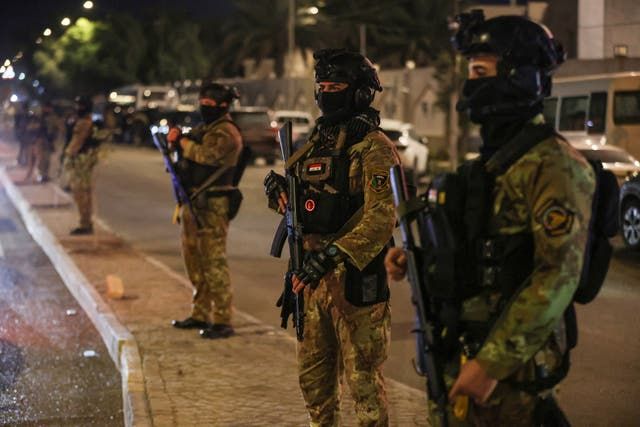
Iraq witnessed its most intense attack since the start of the conflict, as rockets and at least five drones struck the US embassy in Baghdad early this morning, according to Iraqi security sources.
While no casualties were reported, two US officials confirmed the severity of the assault. The escalation highlights the growing reach of Iran-backed militias and the regional complexity of the war.
Energy markets remain on high alert. Tanker movements through the Strait of Hormuz have slowed dramatically, with insurance premiums for vessels spiking. Analysts warn that extended closures could exacerbate oil price volatility, feeding global inflationary pressures and straining economies dependent on Gulf energy exports.
Diplomatic efforts to de-escalate the situation have so far stalled. Gulf allies, while condemning the attacks, have resisted formal US requests to reopen maritime routes or increase military support. Washington faces mounting criticism at home for the lack of a coherent strategy to stabilize the region.
In Israel, the government continues to brace for further Iranian retaliation. Authorities have deployed additional missile defense systems and expanded civil defense warnings, emphasizing that strikes could occur “without warning.”
Military briefings suggest that the Israeli Air Force is preparing for sustained operations that could last weeks, targeting key Iranian military and logistical hubs.
The United States has reinforced its regional presence with additional troops and naval assets, yet the effectiveness of these deployments remains uncertain. Commanders warn that the fluid nature of Iran’s missile and drone capabilities, coupled with its proxy networks across the region, poses an unpredictable threat to US personnel and interests.
Analysts highlight that the conflict has already altered global energy flows. Countries dependent on Gulf oil are seeking alternative suppliers, while major shipping firms reroute vessels to avoid high-risk areas. The economic ramifications of continued instability in the Gulf are expected to extend well beyond the Middle East.
In Baghdad, officials have called for heightened security measures around diplomatic missions. The US embassy attack underscores the vulnerability of foreign personnel in Iraq and the growing influence of Iranian-aligned militias.
Security sources stress that similar strikes could target other US and allied installations in the region, heightening concerns over a broader escalation.
The human toll continues to rise.
Medical facilities in Iran, Iraq, and Israel are struggling to manage casualties, while international organizations warn of looming humanitarian crises if hostilities persist. Civilian populations remain at risk as both sides target infrastructure and urban centers.
Read also: Trump China visit delay: Iran war forces diplomatic rethink
Experts warn that Iran’s sustained offensive demonstrates strategic resilience. Despite weeks of airstrikes, Tehran retains the capacity to project power regionally, employing drones, missiles, and proxy forces.
The conflict is likely to continue, with analysts predicting further escalation unless diplomatic channels can achieve meaningful negotiations.
About The Author


