“Trump China visit delay” has emerged as a defining geopolitical moment, as escalating conflict tied to Iran forces Donald Trump to reconsider high-stakes diplomacy with Xi Jinping amid global uncertainty.
The decision underscores how conflict in the Strait of Hormuz continues reshaping international priorities, disrupting schedules, and pushing world leaders to balance diplomacy with urgent military and economic considerations.
Originally planned for late March, the Beijing summit was intended to stabilize relations between the United States and China, the world’s two largest economies navigating fragile trade and security tensions.
However, the Iran war has forced Washington to reassess immediate priorities, with Trump emphasizing the need to remain present during a rapidly evolving crisis affecting global oil supply chains and security frameworks.
The “Trump China visit delay” also reflects pressure on China to play a more active role in resolving disruptions affecting the Strait of Hormuz, a vital artery for global energy transportation.
Approximately 20% of the world’s oil passes through the strait, making its stability critical to economies worldwide, including major importers such as China, Japan, and European nations.
Trump’s comments suggest expectations that Beijing should contribute to securing the waterway, citing China’s heavy reliance on oil shipments passing through the region for its economic stability.
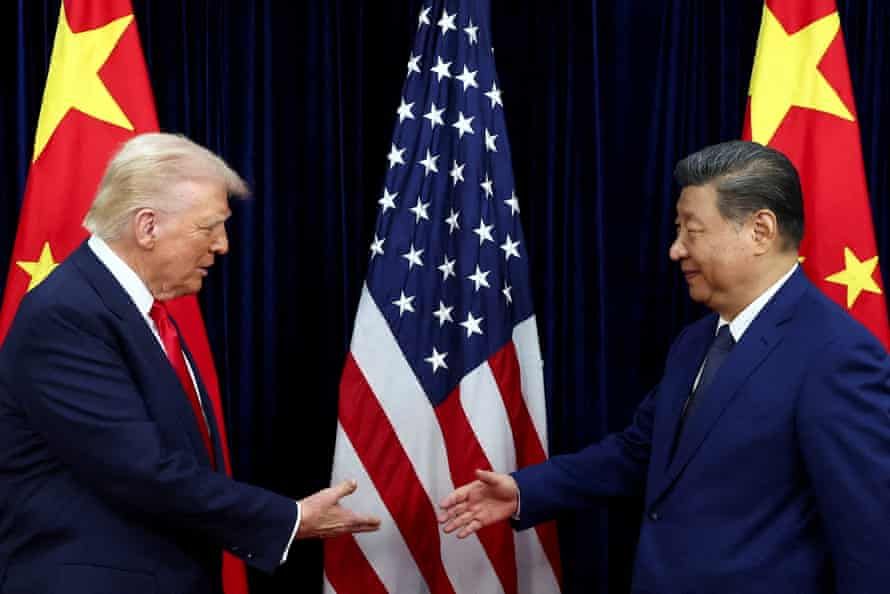
China, however, has maintained a cautious stance, calling for de-escalation rather than military involvement, signaling its preference for diplomatic solutions rather than direct intervention in the conflict.
Officials in Beijing stress that head-of-state diplomacy remains crucial, even as the “Trump China visit delay” highlights tensions between immediate crisis management and long-term strategic engagement.
The situation has also intensified scrutiny of the broader US-Israel military actions linked to the conflict, which triggered retaliatory measures affecting international shipping routes and oil distribution systems.
Tehran’s response, including actions restricting access to the Strait of Hormuz, has significantly disrupted global markets, contributing to what analysts describe as one of the largest oil supply shocks in history.
As oil prices surge, the economic ripple effects are being felt worldwide, from increased transportation costs to inflationary pressures impacting households and industries alike.
For China, the crisis presents a delicate balancing act between maintaining relations with Iran, a strategic partner, and managing ties with the United States, a key economic counterpart.
The “Trump China visit delay” therefore symbolizes more than scheduling changes; it reflects deep geopolitical tensions and competing interests shaping the international order.
Meanwhile, US officials have attempted to downplay the notion that the delay is tied to demands for China to police the Strait of Hormuz, emphasizing logistical and strategic considerations instead.
Despite such reassurances, skepticism remains among analysts who view the situation as part of a broader effort by Washington to pressure allies and partners into supporting its regional strategy.
European and Asian allies have shown reluctance to deploy naval forces, raising questions about the feasibility of a coordinated international response to secure the waterway effectively.
China’s reluctance aligns with its broader foreign policy principles, which prioritize sovereignty, non-interference, and diplomatic engagement over military involvement in external conflicts.
At the same time, internal Chinese commentary has taken a more critical tone, with nationalist voices questioning why Beijing should assist in resolving a crisis they attribute to US actions.
This divergence between official diplomacy and public sentiment adds another layer of complexity to the already strained US-China relationship during this volatile period.
The delay also risks affecting ongoing trade negotiations, which had shown signs of progress despite broader geopolitical tensions and economic competition between the two nations.
Meetings between senior officials had been described as stable, raising hopes that economic cooperation could continue even amid political disagreements and strategic rivalry.
However, prolonged instability in the Middle East could overshadow these efforts, shifting focus from trade agreements to crisis management and energy security concerns.
The “Trump China visit delay” may also impact investor confidence, as uncertainty surrounding global leadership coordination increases risks across financial markets and supply chains.
For global businesses, the disruption highlights vulnerabilities in interconnected systems, particularly those dependent on stable energy supplies and predictable geopolitical conditions.
The crisis has also reinforced the strategic importance of the Strait of Hormuz, bringing renewed attention to its role in shaping global economic and security dynamics.
Military analysts warn that any prolonged disruption could lead to long-term changes in shipping routes, energy sourcing strategies, and geopolitical alliances.
Countries heavily dependent on oil imports may accelerate diversification efforts, seeking alternative suppliers or investing in renewable energy to reduce vulnerability to similar crises.
The United States, meanwhile, faces mounting pressure to manage the conflict effectively while maintaining alliances and avoiding further escalation that could destabilize the region.
Trump’s decision to delay the visit underscores the gravity of the situation, signaling that immediate crisis management takes precedence over diplomatic engagements.
Yet, the postponement also raises questions about the future trajectory of US-China relations, particularly if tensions continue to intersect with broader geopolitical conflicts.
A face-to-face meeting between Trump and Xi is widely seen as crucial for maintaining stability, making the delay a significant development in global diplomacy.
Observers note that timing will be critical, as prolonged delays could weaken momentum for cooperation and deepen mistrust between the two superpowers.
The “Trump China visit delay” thus represents a pivotal moment, where global leadership decisions carry far-reaching implications for peace, trade, and international stability.
Read also: NYC Mayor Zohran Mamdani faces criticism over response to wife’s past work
China’s ongoing communication with multiple parties suggests it is positioning itself as a mediator, seeking to balance its strategic interests while promoting de-escalation.
Whether such efforts will succeed remains uncertain, particularly given the complex web of alliances, rivalries, and economic dependencies shaping the conflict.
For now, the world watches closely as diplomatic channels remain active, even as military and economic pressures continue to escalate.
Ultimately, the outcome of this crisis will likely influence not only the timing of the postponed visit but also the broader direction of global geopolitics.
As tensions persist, the “Trump China visit delay” serves as a stark reminder of how quickly international priorities can shift in response to conflict.
About The Author