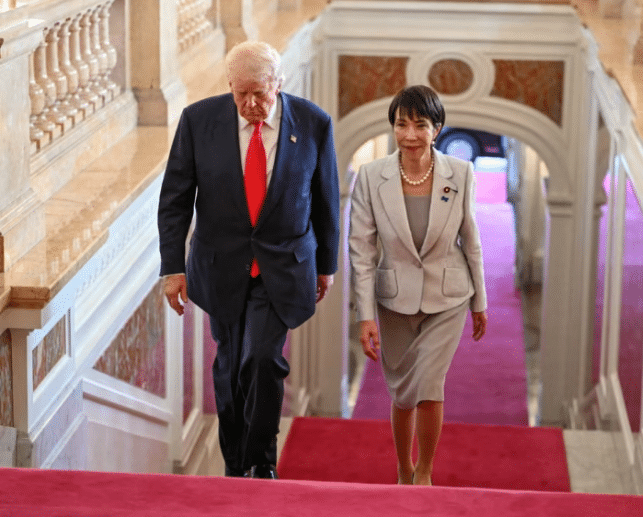
US President Donald Trump met Japan’s Prime Minister Sanae Takaichi in Tokyo to sign a landmark rare earths agreement, aiming to secure critical minerals and strengthen economic ties.
Takaichi welcomed Trump, calling the pact a chance to create a “golden age” for the Japan-US alliance, emphasizing collaboration on rare earths and broader economic security concerns.
“This agreement ensures resilience in rare earths supply chains,” Trump said. “Both nations will benefit, and our industries will thrive through strengthened critical minerals cooperation immediately.”
The White House explained that the rare earths deal will accelerate diversified markets, promoting investment in mining and processing while countering global supply risks and China’s export restrictions.
Takaichi, Japan’s first female prime minister, said, “We are committed to achieving prosperity through cooperation. Rare earths security is vital for our economy and technological independence moving forward.”
Experts note that rare earths, used in electronics, defense, and renewable energy, are crucial. The agreement signals a strategic shift toward securing critical minerals for national security.
Trump praised Takaichi’s leadership, saying, “Anything I can do to help Japan, we will be there. Together, we’ll strengthen rare earths resilience and economic growth in both countries.”
Japan and the US intend to coordinate economic policies, investments, and research initiatives, ensuring that rare earths and other critical minerals are produced fairly and sustainably worldwide.
“This framework is historic,” Takaichi added. “It not only strengthens rare earths supply chains but enhances our security, stability, and global competitiveness through shared strategic vision.”
The deal also reflects growing geopolitical tensions. Analysts warn that securing rare earths supply is key as China maintains dominant control over global critical minerals markets, impacting trade and security.
Trump underscored the strategic importance, stating, “Rare earths are more than minerals—they are the backbone of defense and technology. This pact guarantees both nations’ industries remain competitive internationally.”
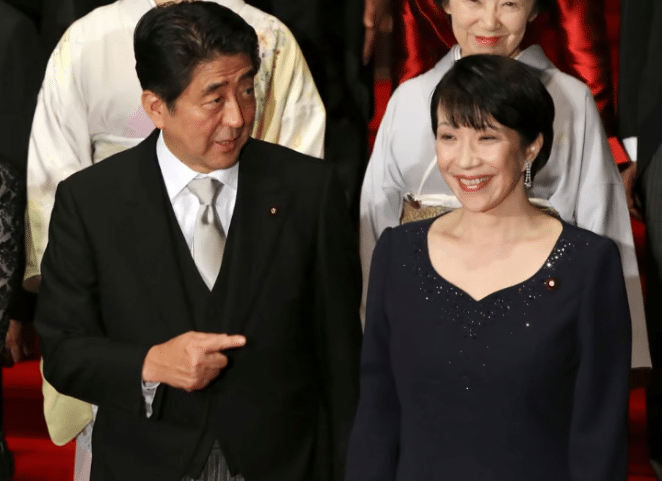
Takaichi referenced former PM Shinzo Abe, saying, “We continue Abe’s vision. Strengthening rare earths supply chains and the US-Japan alliance ensures regional stability and economic prosperity for the decades ahead.”
The two leaders discussed complementary trade measures, including Japanese purchases of American goods and military equipment, which will further secure critical minerals and rare earths supply for both nations.
White House officials emphasized that the agreement extends beyond economics, highlighting rare earths as essential to technological sovereignty, defense readiness, and resilience against global market disruptions.
“This partnership is a blueprint for international collaboration,” said a senior US diplomat. “Rare earths security demonstrates our commitment to shared prosperity, innovation, and geopolitical stability with Japan.”
The rare earths agreement comes amid a broader Asia tour for Trump, who plans meetings with China’s Xi Jinping, signaling the US intention to balance trade, security, and critical minerals leverage regionally.
Japan intends to invest heavily in rare earths mining and processing infrastructure, ensuring sustainable supply chains while fostering technological innovation in electric vehicles, defense systems, and renewable energy sectors.
Trump remarked, “By securing rare earths, we’re not just protecting industries, we’re creating jobs and ensuring America and Japan lead globally in critical technologies for generations to come.”
Observers highlight that rare earths control is increasingly vital as nations compete for advanced technologies. This agreement positions Japan and the US as leaders in secure, sustainable critical minerals markets.
Takaichi reinforced the strategic vision, stating, “This rare earths partnership exemplifies the strongest alliance in the world. Our nations are ready to contribute to regional security and global stability together.”
The deal also signals a renewed golden age in Japan-US relations, strengthening diplomatic ties while addressing vulnerabilities in critical minerals supply chains caused by geopolitical tensions and export restrictions.
Trump and Takaichi emphasized innovation, with joint projects in rare earths processing expected to drive technological breakthroughs, boost economies, and reduce reliance on unpredictable global suppliers of critical minerals.
“This agreement is a testament to leadership and foresight,” Trump said. “Rare earths and critical minerals are strategic assets, and today we guarantee their security for American and Japanese industries.”
Takaichi highlighted Japan’s commitment to global peace and economic prosperity, noting, “Through rare earths collaboration, we ensure both nations remain competitive, secure, and influential in shaping international markets responsibly.”
The rare earths pact will also serve as a model for multilateral cooperation, potentially influencing European and Asian nations to adopt similar strategies for securing critical minerals and industrial stability.
Economists predict the agreement will stimulate trade, attract investment, and fortify defense capabilities, as rare earths underpin advanced electronics, AI systems, and renewable energy infrastructure crucial for both countries’ futures.
Trump concluded, “This rare earths agreement marks a new era. Together with Prime Minister Takaichi, we are building resilient supply chains, strong alliances, and a brighter economic future for all.”
Takaichi reflected on the historic moment, stating, “With rare earths and critical minerals secured, Japan and the US can focus on innovation, prosperity, and regional leadership in a rapidly changing world landscape.”
Officials emphasized continued collaboration through technology sharing, joint ventures, and research programs, ensuring that rare earths supply chains remain robust, transparent, and environmentally responsible globally.
“This rare earths partnership sets a precedent,” said a senior Japanese official. “Critical minerals security is no longer optional. It is foundational to our nations’ economic strength and technological leadership.”
The signing ceremony concluded with symbolic gestures underscoring unity, including mutual acknowledgments of historical ties, shared security commitments, and joint efforts to ensure sustainable rare earths and critical minerals availability.
Trump’s Asia tour, punctuated by the rare earths deal, demonstrates US determination to secure strategic resources, reinforce alliances, and navigate complex geopolitical challenges, particularly with China’s increasing control over critical minerals markets.
Takaichi noted, “By focusing on rare earths and critical minerals, Japan demonstrates leadership in sustainability, economic resilience, and innovation, while reinforcing our enduring partnership with the United States.”
The rare earths agreement is expected to catalyze further bilateral projects in technology, defense, and energy, setting a robust framework for decades of economic cooperation and shared strategic security objectives.
Observers agree that rare earths security, coupled with economic collaboration, positions Japan and the US as global leaders capable of shaping markets, fostering innovation, and safeguarding industrial sovereignty worldwide.
Trump and Takaichi’s commitment to rare earths and critical minerals reflects a proactive approach to global economic stability, signaling that both nations will take decisive steps to maintain competitive advantage and resilience.
Both leaders acknowledged the environmental implications of mining and processing rare earths, emphasizing sustainability initiatives, recycling programs, and responsible investment to protect ecosystems and public health.
Trade analysts noted that the rare earths agreement could inspire other nations to diversify critical minerals sourcing, reducing global dependency on single suppliers and creating new opportunities for economic security partnerships.
Takaichi stated, “Our joint investment in rare earths research will not only strengthen supply chains but advance clean energy technologies, creating jobs and fostering long-term technological sovereignty for Japan.”
Trump added, “Through rare earths security, the US will maintain technological dominance, strengthen defense capabilities, and ensure that American innovation continues to lead the world while supporting allied nations.”
The rare earths pact also includes training programs, infrastructure development, and innovation hubs designed to maximize the value of critical minerals while reinforcing strategic economic security for both countries.
Observers highlight that Japan-US collaboration in rare earths will send a strong geopolitical message, signaling commitment to economic resilience, technological sovereignty, and shared leadership in critical minerals markets globally.
“This agreement reflects foresight, strategic planning, and enduring friendship,” a senior US official said. “Rare earths security is a cornerstone of regional stability and bilateral economic growth.”
The rare earths agreement arrives amid global competition for critical minerals. Experts warn that countries unable to secure rare earths risk technological dependency, economic instability, and weakened defense capabilities in coming decades.
Takaichi concluded, “By advancing rare earths and critical minerals cooperation, Japan and the United States set a standard for international partnerships, ensuring economic security, technological leadership, and shared prosperity.”
Trump’s final remarks at the ceremony reinforced commitment: “Together, we safeguard rare earths, critical minerals, and our industries. This partnership ensures a golden age for our nations, and security for generations to come.”
About The Author