Japan’s new Prime Minister, Sanae Takaichi, faces her first major diplomatic test as she prepares for critical discussions with United States President Donald Trump in Tokyo this week.
The meeting, scheduled for Tuesday, is expected to shape Japan US relations for years, with both sides focusing on trade disputes, military cooperation, and regional security in Asia.
Takaichi, who recently became Japan’s first female leader after winning the ruling Liberal Democratic Party vote, seeks to establish a confident international presence early in her tenure.
Her government, formed through a fragile coalition with a minor party, currently holds only a slim margin in the lower house, making diplomatic success vital to her domestic credibility.
Observers say her upcoming encounter with Trump could determine whether Tokyo can navigate Washington’s shifting foreign policy while protecting Japan’s economic and security interests.
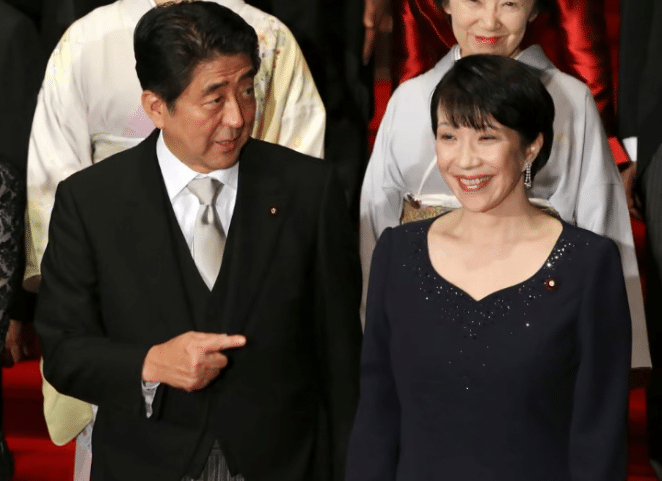
Both leaders share mutual concerns about Chinese military expansion in the Asia-Pacific, but Japan’s reliance on the U.S. for security adds complexity to their discussions on sovereignty and defense.
Trump, who arrived in Tokyo after brokering a ceasefire between Thailand and Cambodia, views the visit as a chance to reaffirm strategic ties with one of America’s closest allies.
Takaichi has already hinted at aligning more closely with U.S. defense goals, including accelerating Japan’s plan to raise defense spending to two percent of GDP by 2027.
During recent remarks, she pledged to meet that target two years ahead of schedule, signaling Japan’s willingness to respond to long-standing U.S. pressure for greater military burden sharing.
Japan’s defense buildup, the largest since World War II, includes the purchase of U.S.-made Tomahawk missiles and the deployment of longer-range domestically developed systems for counterstrike capabilities.
Analysts note that Japan US relations have entered a new phase, where defense cooperation is increasingly tied to economic commitments and mutual security expectations in the Indo-Pacific region.
Trump is expected to press Japan to contribute more toward the cost of maintaining approximately sixty thousand U.S. troops stationed across the country, most of them in Okinawa.
He has often argued that Japan benefits disproportionately from the bilateral security treaty, under which the United States is obliged to defend Japan in case of attack.
Takaichi, however, will likely emphasize the alliance’s mutual benefits and Japan’s growing contributions to regional stability through its peacekeeping operations and maritime defense upgrades.
While few expect a breakthrough on trade, discussions may lead to minor tariff adjustments following Washington’s recent decision to reduce duties on Japanese cars from twenty-seven to fifteen percent.
Tokyo welcomed the move, which eased pressure on its export-driven economy, and hopes to build on that progress by expanding imports of American goods like soybeans and natural gas.
Reports suggest Japan may also agree to increased purchases of American pickup trucks, a symbolic gesture aimed at appeasing Trump’s industrial and agricultural base before the U.S. election season.
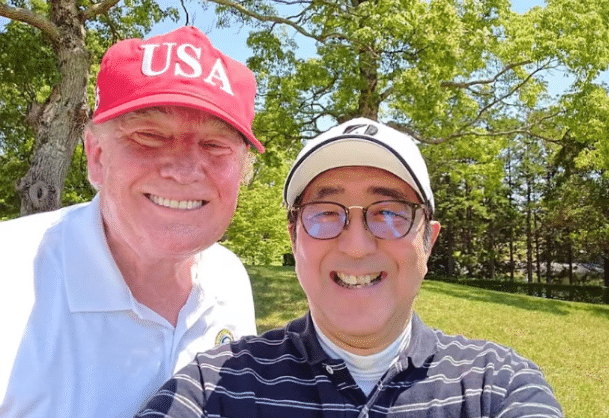
The U.S. president’s approach to international diplomacy remains heavily influenced by personal rapport, and Takaichi’s connection to Trump’s late ally, former Prime Minister Shinzo Abe, could be decisive.
Abe was among Trump’s most trusted foreign counterparts, establishing a warm relationship marked by frequent communication, golf outings, and mutual praise for each other’s leadership styles.
Takaichi, a known protégé of Abe, has often cited his mentorship as pivotal to her political rise, calling him “a model of strategic diplomacy and firm leadership.”
Trump, speaking to reporters before his departure from Washington, described Takaichi as “a strong and friendly leader” and praised her ties to his late friend Abe.
“She’s great. We’ll be seeing her very soon. She was very close to prime minister Abe, and you know he was one of my favourites,” Trump said.
The meeting’s agenda reportedly includes discussions on tariff policies, semiconductor cooperation, energy security, and the joint development of next-generation defense technologies.
For Japan, maintaining stable Japan US relations is critical not only for defense but also for economic recovery, as the nation continues to struggle with inflation and currency fluctuations.
Tokyo’s leaders believe closer coordination with Washington can help secure supply chains, promote green technology investment, and reduce dependency on China’s manufacturing networks.
Takaichi’s diplomatic challenge lies in balancing Japan’s nationalist ambitions with the practical need for alliance support amid global competition and growing protectionist sentiment in the United States.
Her stance on increasing defense capabilities has sparked debate within Japan, where some citizens worry about rising militarization and potential involvement in U.S.-led regional conflicts.
Nevertheless, opinion polls indicate cautious public backing for stronger Japan US relations, reflecting broad concern about China’s regional assertiveness and North Korea’s continuing missile threats.
Takaichi’s government has pledged to modernize Japan’s military without altering its pacifist constitution, while expanding cooperation with allies through intelligence sharing and joint defense research.
Experts argue that Japan’s efforts to enhance interoperability with U.S. forces demonstrate a clear shift toward proactive security policies unseen since the end of the Second World War.
Trump’s visit will also include an audience with Emperor Naruhito at the Imperial Palace, a gesture of respect symbolizing the enduring friendship between both nations.
Later, formal talks at Tokyo’s Akasaka Palace will offer a diplomatic setting similar to Trump’s 2019 visit with Shinzo Abe, during which both leaders emphasized trade and defense alignment.
From there, Trump is expected to continue his Asia tour, heading to Seoul for the APEC summit where he will meet Chinese President Xi Jinping to discuss tariff negotiations.
Analysts believe progress in Japan US relations could strengthen Washington’s position at that summit, reinforcing its strategy of securing alliances before confronting Beijing on trade.
For Takaichi, success in Tuesday’s meeting could consolidate her domestic authority, projecting an image of strength and stability at a time when her coalition remains politically fragile.
She has framed the upcoming talks as “an opportunity to reaffirm mutual trust and set a new course for shared prosperity and regional security.”
The outcome of these discussions may not yield immediate policy changes, but symbolic alignment could reassure markets and reassure allies across Southeast Asia of Japan’s steady leadership.
In Tokyo, political insiders view the Takaichi-Trump encounter as a test of continuity — whether Japan can maintain Abe-era diplomacy while asserting its own independent strategic voice.
As Japan’s new leader seeks to sustain and evolve Japan US relations, her ability to manage Trump’s unpredictable style will likely define her early legacy.
About The Author