The Yemen Houthi counteroffensive has begun as Yemen’s Saudi-backed, internationally recognised government launches a major military campaign to retake territory controlled by the Iran-backed Houthis.
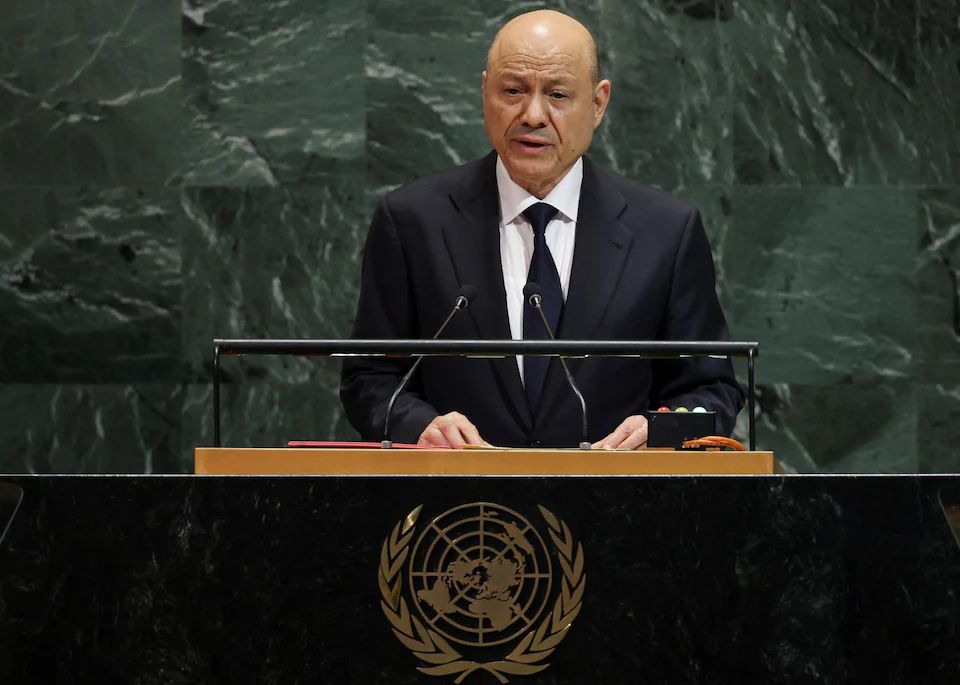
Yemeni President Rashad al-Alimi announced the operation on Sunday, saying government forces would continue fighting “until the country is liberated from the grip of the terrorist militia.”
The announcement comes after the Houthis made significant battlefield gains in recent weeks, including the capture of the strategically important Bab el-Mandeb Strait and about 150 kilometres of Red Sea coastline.
The development has transformed the latest phase of Yemen’s conflict, placing control of one of the world’s most important maritime routes at the centre of the renewed fighting.
Yemen Government Launches Major Offensive
The Saudi-backed Presidential Leadership Council said its forces would push ahead with the operation after efforts to de-escalate the conflict were exhausted.
A military spokesman subsequently called on Houthi fighters to lay down their weapons as government forces prepared to intensify their campaign.
Alimi also thanked Saudi Arabia for its support and called on Yemen’s regional allies and international partners to back the PLC forces and institutions.
The government offensive follows weeks of Houthi advances that have dramatically altered the military balance in parts of Yemen.
The Houthis, formally known as Ansar Allah, have controlled the capital, Sanaa, and large areas of northwestern Yemen since 2014.
Despite years of military operations by Saudi Arabia, the United Arab Emirates and Western allies, the movement has retained control of substantial territory and strengthened its weapons capabilities with Iranian assistance.
Houthis Capture Bab el-Mandeb
The most significant recent Houthi success has been the capture of the Bab el-Mandeb Strait during a surprise offensive last month.
The group also seized roughly 150 kilometres of coastline along the Red Sea, giving it greater leverage over an international shipping corridor linking the Mediterranean region with Asia.
The Bab el-Mandeb is particularly important because it provides the southern gateway to the Red Sea and has become even more strategically significant as an alternative route to the Strait of Hormuz.
Houthi control of the area therefore has implications far beyond Yemen’s civil war, potentially affecting international shipping, energy supplies and regional military calculations.
Houthis Claim Missile and Drone Attacks on Saudi Arabia
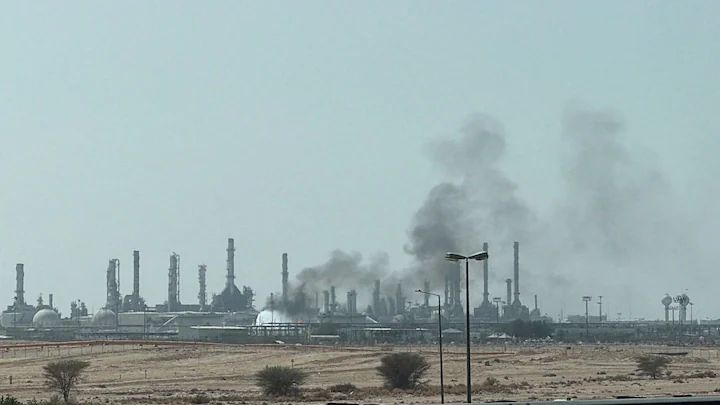
As the Yemeni government announced its counteroffensive, the Houthis said they had launched ballistic missiles and drones against Saudi Aramco sites in Riyadh and the Khurais area.
The Houthis claimed the attacks caused major fires and described them as retaliation for what they said were 50 Saudi-led air and missile strikes against Yemen during the previous 12 hours.
There was no immediate confirmation from Saudi Arabia of the Houthi claims.
The exchange highlights the rapid escalation surrounding the new offensive, with Saudi Arabia expected to provide air support while Yemeni forces conduct ground operations.
Regional and Western officials had previously told Reuters that Saudi Arabia and its Yemeni allies were preparing an assault against the Houthis, with Riyadh expected to lead aerial combat and Yemeni forces fighting on the ground.
US Supports Saudi Operations
The conflict is also drawing the United States deeper into the latest phase of Yemen’s war.

Six people familiar with Saudi preparations told Reuters that Washington is already providing intelligence support for Riyadh’s operations in Yemen.
Some regional and European countries are also providing mainly defensive military assistance to Saudi Arabia.
The renewed fighting comes against the backdrop of the wider US-Israeli war against Iran, which has already transformed the security environment across the Middle East.
The conflict with Iran has weakened parts of Tehran’s military and political leadership while also increasing the demands on US military resources in the region.
The latest developments in Yemen could therefore create another significant military pressure point for Washington and its regional partners.
Yemen Conflict Enters Dangerous New Phase
Yemen has endured years of conflict involving local armed groups and factions backed by competing regional and international powers.
The Houthis emerged as a major force after Yemen’s political crisis following the 2011 Arab Spring uprising and eventually captured Sanaa.
The Saudi-backed PLC, which is also recognised by the United Nations, has since maintained control over much of southern and eastern Yemen from its base in Aden.
Saudi Arabia entered the civil war in 2015 at the head of an Arab coalition supporting the PLC but failed to defeat the Houthis.
A truce reached in 2022 largely held for several years before the latest escalation, when the Houthis resumed missile and drone attacks linked to the wider Iran conflict.
Taiz Faces Possible Siege
While the Yemen Houthi counteroffensive is being launched, the Houthis remain on the front foot in several strategically important areas.
Military sources told Reuters that Houthi forces have made further gains over the past 48 hours around strategic hilltops near Taiz.
The advances reportedly bring the group closer to the last road linking Taiz with Aden on Yemen’s southern coast.
If the Houthis gain control of that route, they could effectively place Taiz under siege.
Taiz is Yemen’s third-largest city and is home to hundreds of thousands of civilians, alongside thousands of government troops.
The city also carries political significance because President Alimi comes from the region, meaning a Houthi siege could create additional pressure on the Yemeni leadership.
The humanitarian consequences could be severe.
The World Food Programme said last week that three out of four families in parts of Yemen were going hungry as intensified fighting displaced tens of thousands of people and disrupted supplies to millions.
Red Sea Shipping Route at Risk
The battle for the Bab el-Mandeb Strait could ultimately become one of the defining elements of the latest Yemen conflict.
Control of the narrow maritime passage gives the Houthis a strategic position over a major international shipping route and increases the potential consequences of further fighting.
For Saudi Arabia and the Yemeni government, regaining the territory would therefore be about more than restoring control over lost ground.
It would also mean attempting to reopen a critical maritime corridor and prevent the Houthis from consolidating their newly acquired strategic advantage.
Read also: Nigel Farage £5m gift: Reform UK leader questioned by Standards Commissioner as inquiry nears conclusion
For the Houthis, however, their recent battlefield successes have provided new leverage after years of resisting military campaigns by regional powers.
The resulting confrontation could determine whether the group maintains its grip over key Red Sea territory or faces a significant reversal under the Saudi-backed government offensive.
The Yemen Houthi counteroffensive therefore marks a major escalation in the country’s long-running conflict, with the battle for territory, Taiz and the Bab el-Mandeb Strait now unfolding alongside the wider Middle East war.
About The Author