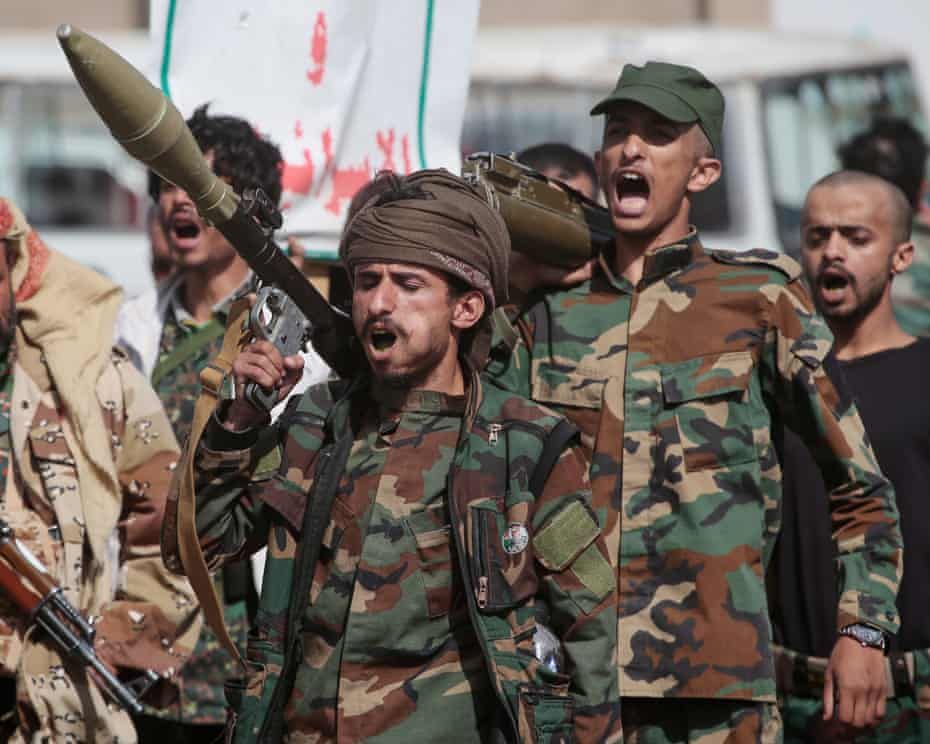
The Houthis capture strategic island of Perim in the Bab el-Mandeb Strait has heightened fears of a wider Red Sea shipping crisis, as Saudi Arabia shut a major oil pipeline following attacks linked to Iraq.
The developments came as oil prices climbed above $100 a barrel, with Brent crude touching $108 on Friday, its highest level since May, after the Houthis also seized Yemen’s strategic port city of Mokha.
The latest escalation threatens to place further pressure on global energy supplies and international shipping at a time when the Strait of Hormuz has already been severely disrupted by the wider Iran conflict.
Houthis seize key island at Red Sea entrance
The Houthis captured Perim, also known as Mayun, a strategically important island at the entrance to the Red Sea, according to Yemeni officials and a Houthi representative.
The island sits in the Bab el-Mandeb Strait, a vital maritime chokepoint connecting the Red Sea with the Gulf of Aden.
About 12 per cent of the world’s goods normally pass through the waterway, making control of the area strategically significant for international trade and energy shipments.
Two sources from Yemen’s Saudi-backed internationally recognised government said its forces had withdrawn from Perim.
The sources also said Houthi forces had taken the mainland coastal town of Dhubab, which faces the island.
The Houthi military spokesperson, Yahya Saree, sought to reassure some shipping operators, saying: “maritime navigation is safe for all companies except for Saudi vessels”.
However, analysts and shipping markets remain concerned because of the Houthis’ growing control over territory around one of the world’s most important maritime routes.
Mokha seizure adds to shipping fears
The capture of Perim followed the Houthis’ seizure of Mokha, a strategic Yemeni port city located roughly 50 miles from the Bab el-Mandeb Strait.
The developments have raised concerns that Houthi control over the area could create further disruption to vessels travelling between Europe, Asia and the Middle East.
The situation is particularly significant for Saudi Arabia, which has increasingly depended on Red Sea export routes since the Iran conflict disrupted shipping through the Strait of Hormuz.
The East-West pipeline provides Saudi Arabia with an alternative route for transporting crude towards the Red Sea, allowing exports to bypass the strategically important Persian Gulf waterway.
Saudi Arabia shuts major oil pipeline
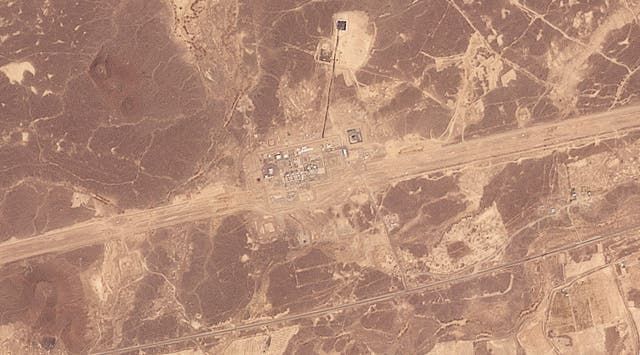
Saudi Arabia shut its major East-West oil pipeline on Friday as a “precautionary measure” following attacks on the infrastructure.
The pipeline has reportedly been carrying between four million and five million barrels of oil per day in recent months, equivalent to roughly 4 to 5 per cent of global oil supply.
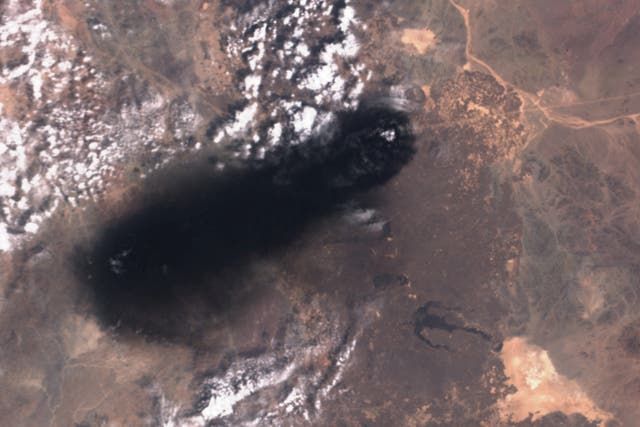
Satellite imagery verified by Reuters showed smoke near sections of the pipeline, while Saudi authorities said the attacks caused injuries and damage that was still being assessed.
The Saudi foreign ministry said several drones had come from Iraq and blamed them for the attacks.
Rather than immediately retaliating, Saudi Arabia said it would give the Iraqi government “an opportunity to take the necessary measures”.
Iraq subsequently confirmed that attacks targeting Saudi Arabia had originated from its territory.
Prime minister Ali al-Zaidi ordered an investigation into the operations command in Maysan province and dismissed its commander after authorities determined that attacks had been launched from a site in the province.
Iraq moves against suspected launch site
The Iraqi government also condemned the attacks and took additional security measures along its border with Iran.
Iraq closed two important border crossings with Iran, suspending passenger and commercial traffic until further notice, according to Iranian media reports.
The developments have further complicated an already volatile regional situation involving Iran-backed militias, the Houthis and the wider conflict involving the United States and Israel.
Tehran-backed Iraqi militias have launched attacks against US-linked targets since the US and Israel attacked Iran on 28 February.
The militias have also coordinated with Yemen’s Houthi rebels in attacks targeting Saudi Arabia.
Oil prices climb as energy squeeze deepens
The latest developments have intensified concerns about a potential global energy squeeze.
Oil prices climbed above $100 a barrel this week, with crude reaching $108, as traders assessed the combined impact of disruption around the Strait of Hormuz and growing instability in the Red Sea.
Saudi Arabia is the world’s largest oil exporter, and the East-West pipeline has become particularly important because the Iran conflict has severely affected the traditional shipping route through Hormuz.
The International Energy Agency said Saudi oil exports through Red Sea ports had more than doubled since the Iran war began.
But attacks on shipping and infrastructure threaten to undermine that alternative route.
The seizure of Mokha and Perim could make the Red Sea increasingly difficult for vessels associated with Saudi Arabia, potentially forcing further changes to shipping patterns and adding pressure to already elevated energy costs.
Wider regional conflict raises new concerns
The Red Sea escalation is occurring alongside continuing tensions in southern Lebanon, Iran and the Gulf.
In Lebanon, residents of Mansouri have been watching from neighbouring areas as Israeli forces carry out demolitions after many residents were forced to flee.
More than 300,000 people remain displaced in Lebanon following a conflict that displaced around 1.2 million people at its height.
With negotiations involving Israel, Lebanon and Iran stalled, there is growing uncertainty over how and when displaced communities will be able to return home.
Meanwhile, the United States has reportedly restricted the times when tankers travelling through the Strait of Hormuz can receive American air-defence protection.
The restrictions followed increased Iranian attacks on ships travelling at night, according to a Financial Times report.
The overlapping crises in Hormuz and the Bab el-Mandeb have therefore created pressure on both major maritime routes around the Arabian Peninsula.
Anthropic blocks Houthi-linked AI users
The escalation has also extended into the technology sector.
Anthropic said it had blocked users in northern Yemen after discovering that its AI models were being used in attempts to support weapons-development programmes.
The company said some users had employed Claude Code to develop software that “steers and stabilises a flying vehicle”.
Anthropic also said the users were working on weapons technology, including a guided rocket capable of autonomously tracking targets through a mobile phone.
The company stressed that there was no evidence that the users had successfully deployed such a weapon.
No immediate political solution in sight
The latest military developments come as diplomatic efforts to end the wider regional conflicts remain stalled.
Read more here: Houthi advance in Yemen forces nearly 50,000 civilians to flee as Red Sea war escalates
The combination of Houthi territorial gains, attacks on Saudi energy infrastructure, disruption around Hormuz and continued fighting elsewhere in the region has increased the risk of further economic consequences.
The Bab el-Mandeb Strait is particularly important because any prolonged disruption could affect the movement of oil, manufactured goods, food and other commodities between Asia, Europe and the Middle East.
For global markets, the central concern is whether the latest developments remain isolated incidents or develop into a sustained campaign against energy infrastructure and shipping.
For Saudi Arabia, the stakes are especially high. Its alternative Red Sea export route has become more important precisely because the Strait of Hormuz has been disrupted.
With the Houthis now holding strategic territory near the entrance to the Red Sea, pressure on that alternative route is increasing.
The Houthis capture strategic island of Perim therefore represents more than another territorial gain in Yemen. It has placed a critical international shipping chokepoint at the centre of an increasingly interconnected regional energy crisis.
About The Author