

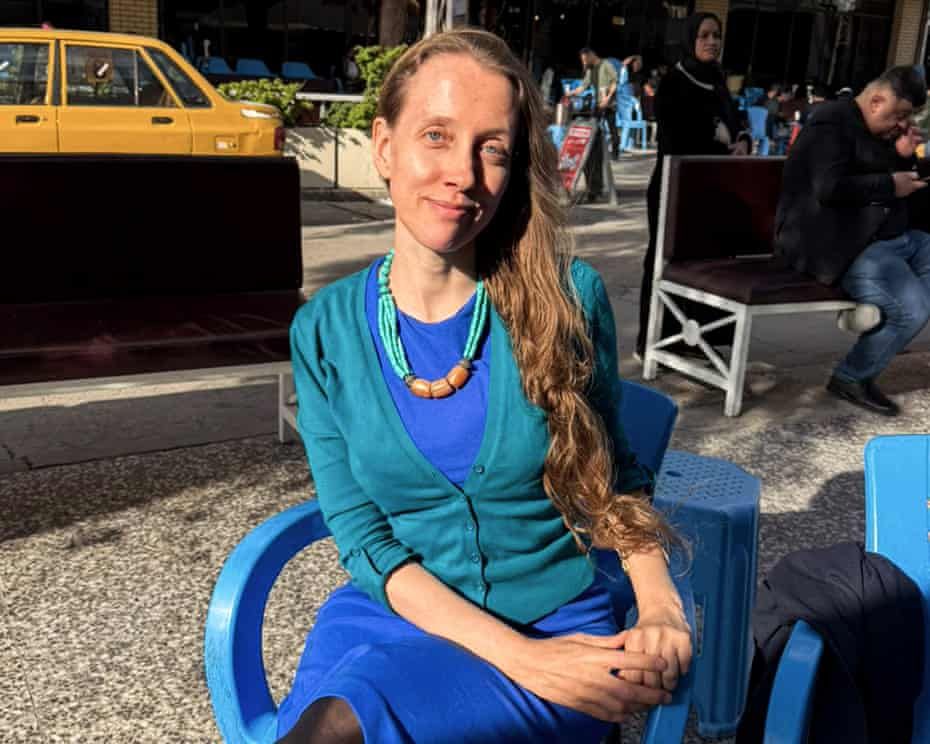
Concern and fear gripped Baghdad after an American journalist Shelly Kittleson kidnapped in Iraq, raising alarm among local authorities and US officials. Efforts to secure her release began immediately amid tense security conditions.
Kittleson, a longtime freelancer, has reported extensively from Iraq, Syria, and Lebanon, covering conflict zones and complex regional dynamics. Her work emphasized social issues, tribal relationships, and political unrest, gaining recognition in international journalism circles.
The US State Department confirmed the kidnapping and announced coordinated efforts with Iraqi authorities to ensure Kittleson’s safe return. Officials stressed urgency, saying her release was a top priority due to the dangerous environment.
Reports indicate the suspected perpetrators are affiliated with an Iranian-backed militia operating in Baghdad. Such groups have intensified activity following US-Israel attacks on Iran, further destabilizing Iraq and increasing threats to journalists and civilians.
Security forces in Iraq intercepted a vehicle connected to the kidnapping. One suspect was arrested, and authorities continue tracking the remaining perpetrators. Iraqi officials emphasized that efforts to secure Kittleson are ongoing and relentless.
A surveillance video circulated showing Kittleson being forced into a car by masked men. The footage shocked colleagues and the international community, highlighting the risks journalists face in volatile regions dominated by armed militias.
Al-Monitor issued a statement condemning the abduction, calling for the journalist’s safe and immediate release. Media organizations worldwide reiterated support for her reporting and stressed the importance of protecting journalist safety in conflict zones.
Kittleson’s kidnapping underscores the increasing danger for reporters in Iraq. The presence of multiple armed groups, ongoing militia activity, and the US-Iran regional conflict have created a volatile environment that threatens freedom of the press.
Past kidnappings in Baghdad, including the 2023 case of Elizabeth Tsurkov, show the severe consequences journalists face. Tsurkov endured two years of captivity and torture, leaving permanent injuries. Kittleson’s situation raises similar humanitarian concerns.
Iraq’s interior ministry confirmed authorities intercepted a fleeing vehicle and detained one suspect. Officials continue operations to locate the other individuals responsible, emphasizing the importance of tracking down the perpetrators swiftly to ensure Kittleson’s freedom.
The US has warned its citizens about rising dangers in Iraq, particularly for those involved in journalism. Travel advisories highlight the risk of abductions, targeted attacks, and harassment, reinforcing the importance of strict safety precautions.
Security sources noted the kidnappers drove east from Baghdad, suggesting planned routes and knowledge of city geography. This raises questions about militia organization and the extent of Iranian influence in Baghdad’s armed groups.
Kittleson is a respected freelancer who has spent years covering sensitive stories. Her reports from conflict zones often highlighted civilian struggles, political dynamics, and the influence of foreign powers in Iraq and neighboring countries.
Experts believe that targeting a journalist like Kittleson may be an attempt to intimidate media coverage. Such kidnappings aim to control narratives, spread fear, and restrict international scrutiny of militia and military activities in the region.
The US State Department, through assistant secretary Dylan Johnson, confirmed the arrest of an individual linked to the militia group Kataib Hezbollah. He urged Iraqi authorities to continue efforts to ensure the journalist’s release without delay.
The ongoing conflict between US forces, Iran, and pro-Iran militias in Iraq exacerbates the security situation. Recent airstrikes and military confrontations have increased the likelihood of retaliatory attacks targeting Americans and journalists alike.
Iraqi police officials stated that Kittleson was seized by four men in civilian clothes and placed into a car. The rapid abduction, captured on video, shows the level of coordination and planning behind such operations.
Al-Monitor emphasized the critical importance of journalist safety in Baghdad. The organization condemned the kidnapping and urged all parties to cooperate to ensure that journalists can operate freely without fear of attack or abduction.
The situation in Baghdad is complicated by the reduced, but persistent, power of pro-Iran militias. Although the fall of Bashar al-Assad and integration into Iraqi state forces decreased their influence, conflict with government authorities remains tense.
The US-Iran war’s impact on Iraq has intensified confrontations between militias and Iraqi security forces. This environment makes journalists like Kittleson highly vulnerable, as armed groups seek to influence media narratives and international opinion.
Iraqi authorities are prioritizing the investigation while closely monitoring militia movements. Officials hope the quick interception of one suspect will lead to the identification and capture of remaining kidnappers, increasing chances for Kittleson’s safe release.
The abduction has raised questions about protections for freelance journalists operating in Iraq. Unlike staff reporters, freelancers often lack security resources, making them more susceptible to kidnappings and attacks by organized armed groups.
Kittleson’s coverage has emphasized the need for accurate reporting in conflict zones. Her kidnapping highlights how militant forces may attempt to suppress independent media coverage to avoid scrutiny or accountability for actions in Baghdad and Iraq.
International organizations continue to call for her release, stressing that journalists play a vital role in providing accurate, unbiased reporting in conflict zones. Her safe return is critical for press freedom in Iraq and the region.
US authorities reiterated that Kittleson was aware of travel risks. Warnings and advisories had been issued in advance, reflecting the state department’s duty to inform citizens, but risks remain high due to the unpredictable behavior of armed militias.
The kidnapping brings renewed attention to Baghdad’s security vulnerabilities. While kidnappings have decreased in recent years, militia activity and conflicts arising from the US-Iran war are causing new threats, making the city increasingly unsafe for foreign journalists.
Authorities continue monitoring the eastern routes of Baghdad where Kittleson’s kidnappers headed. The Iraqi interior ministry emphasized a commitment to justice, confirming all measures are being taken to locate her and secure her safety promptly.
The incident also raises broader questions about journalist protections in war zones. International conventions stress the safety of media workers, yet enforcement remains limited when state or militia actors act with impunity.
Experts note that Kittleson’s abduction is not only a personal threat but also a strategic message to international reporters. Armed groups may intend to intimidate foreign media from covering sensitive political and military developments in Iraq.
The abduction has sparked diplomatic communications between Baghdad and Washington. US officials, emphasizing Kittleson’s importance as a journalist, are pressing Iraqi authorities for rapid action, highlighting the collaboration needed in high-risk situations involving hostages.
Iraqi authorities maintain that all security resources are being deployed. Vehicles, checkpoints, and intelligence monitoring are used to locate remaining suspects. Officials promise continued cooperation with international partners to guarantee Kittleson’s safe return.
The kidnapping reminds media organizations and journalists of ongoing dangers in Baghdad. Freelancers and correspondents are urged to take heightened security measures, including travel planning, local contacts, and emergency protocols to mitigate risks.
The US-Iran conflict’s effects on Iraq remain complex. Pro-Iran militias, US military presence, and regional tensions create a precarious security landscape, complicating the work of journalists and increasing the likelihood of violent incidents like Kittleson’s abduction.
Read also:Charlie Kirk bullet analysis finds no conclusive link to rifle near scene
As authorities continue operations, public awareness campaigns and international media pressure play a key role in urging her release. Advocacy by organizations like Al-Monitor highlights the importance of safe reporting and international attention to hostage situations.
Iraqi security officials expressed confidence that the remaining perpetrators will be captured. Their focus on swift and strategic action is aimed at preventing further escalation and ensuring Kittleson’s safety, sending a signal to armed groups that impunity will not prevail.
Shelly Kittleson’s kidnapping serves as a stark reminder of the risks faced by journalists reporting from conflict zones. Her release will depend on careful cooperation between Iraqi authorities, US officials, and international organizations monitoring her safety.