

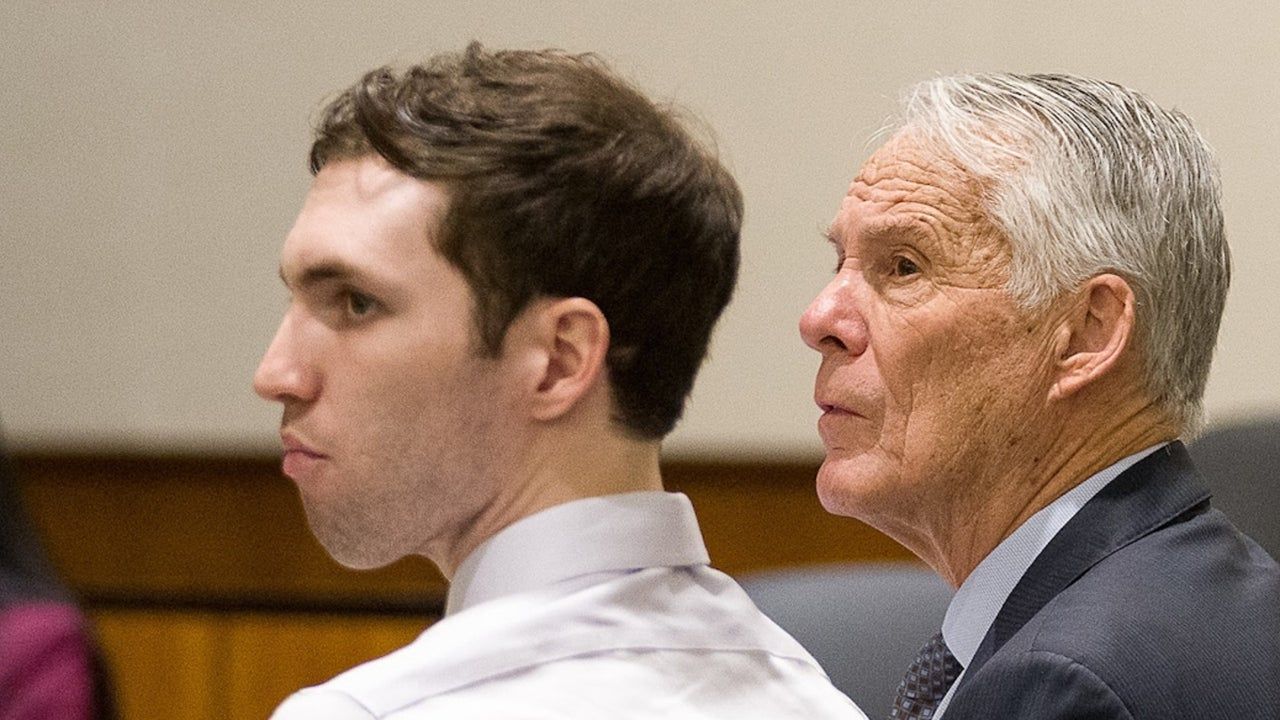
Charlie Kirk bullet analysis – Federal analysis by the Bureau of Alcohol, Tobacco, Firearms and Explosives (ATF) could not definitively link a bullet fragment recovered during Charlie Kirk’s autopsy to the rifle found near the scene of the political activist’s killing. The FBI is conducting additional tests, according to filings by lawyers representing Kirk’s accused murderer, Tyler Robinson.
Robinson’s defense team has requested a delay to a preliminary hearing scheduled for May. They cited the need to review the bullet analysis alongside a vast amount of other evidence that could be relevant to the defense.
Although the ATF’s report remains private, attorneys noted that excerpts in other public filings describe the results as inconclusive. Forensic ballistics depends heavily on the condition and size of bullet fragments, as experts search for unique microscopic markings—essentially the firearm’s “fingerprint.”
The defense indicated they may attempt to use the analysis to clear Robinson during the preliminary hearing. Prosecutors, however, intend to show that sufficient evidence exists to proceed to trial.
Robinson, 22, faces charges of aggravated murder for the September 10 shooting of Kirk on the Utah Valley University campus in Orem. He has not yet entered a plea. Prosecutors are seeking the death penalty.
Evidence cited by prosecutors includes DNA consistent with Robinson’s on the rifle trigger, a fired cartridge casing, and two unfired cartridges. Defense attorneys noted that forensic reports revealed multiple individuals’ DNA on some items, suggesting that a more complex analysis is needed.
Robinson reportedly sent a text to his romantic partner stating he targeted Kirk because he “had enough of his hatred,” according to prosecutors.

The defense motion also seeks to ban cameras from the courtroom, with Robinson due back in court on April 17 for a hearing regarding the request.
The bullet analysis is likely to play a critical role in the case, though its inconclusive status demonstrates the challenges of forensic investigations in high-profile shootings. Both sides will continue reviewing the evidence as the trial process unfolds, while courts weigh motions that could affect the proceedings.
The preliminary hearing will set the stage for whether the case moves forward to a full trial, where the defense will have the opportunity to challenge forensic interpretations and prosecutorial claims.
The case has drawn widespread attention due to Kirk’s profile as a rightwing activist and the circumstances surrounding his death. The outcome of the bullet analysis could significantly influence public perception as well as legal strategies.
As the court prepares for the next hearing, the defense and prosecution continue gathering and analyzing evidence, emphasizing the complexity of modern forensic procedures and their critical role in determining culpability.
Read also:American embassies to counter foreign disinformation with Musk’s help
About The Author
