Teargas exposure in France has been linked to reports of severe menstrual bleeding, disrupted periods, painful cramps and miscarriages among thousands of women and girls exposed to police teargas during nationwide protests in October.
Nearly 10,000 women and girls who participated in demonstrations across France reported reproductive health symptoms following exposure to teargas, raising concerns among activists and researchers about the possible health consequences of chemical irritants used by police to control crowds.
The reports have intensified calls for investigations into the reproductive health effects of teargas, particularly among teenagers, pregnant women and people with existing gynaecological conditions.
French police fired approximately 22,000 teargas grenades at protesters on 17 October, an estimated two grenades every three seconds over a period of 10 hours, as authorities attempted to control the demonstrations.
Health campaigners fear the extensive use of the chemical irritant may have exposed thousands of women and girls to substances capable of triggering serious physical reactions.

Thousands report menstrual and reproductive health problems
A feminist collective known as Lacrymos de Sang, established to investigate the possible reproductive health consequences of teargas, collected more than 9,200 testimonies from women and girls who reported exposure during the protests.
According to its findings, 94 per cent of respondents reported gynaecological symptoms, including unusually heavy bleeding, severe uterine cramps, missed periods and prolonged menstrual disturbances.
Some women described experiencing pain so intense that they could not walk, attend work or carry out their normal daily activities. Others reported bleeding for several weeks.
Two respondents said they were hospitalised with anaemia following significant blood loss, while others experienced bleeding despite having stopped menstruating, using hormonal contraception or receiving testosterone treatment.
The testimonies have heightened concerns about teargas Exposure in France, particularly because the reported symptoms appeared among women with different ages, medical backgrounds and reproductive circumstances.
However, researchers caution that the collected testimonies do not independently establish that teargas caused every reported condition, highlighting the need for further scientific investigation.
Women describe disturbing changes after teargas exposure
Naïma Di Piero, a 46-year-old charity worker living with endometriosis, said she had barely menstruated for three years because she used contraceptive pills to suppress her cycle.
However, two days after being exposed to police teargas during the 17 October demonstrations, she began experiencing heavy bleeding that lasted 10 days.
She described the bleeding as severe, requiring her to change her period underwear several times daily, before experiencing blood clots and debilitating cramps.
The pain subsequently disrupted her sleep, forcing her to rely on painkillers and a hot-water bottle to manage the discomfort.
“I’ve never been so tired. I wear a headscarf because I’m losing my hair, too,” she said.
Di Piero initially struggled to understand what was happening, but by early November, she discovered that thousands of other women across France were reporting similar symptoms following exposure to teargas during the demonstrations.
Pregnant women report miscarriages
The collected testimonies also included reports of pregnancy losses, raising particular alarm among health researchers and reproductive rights campaigners.
Of 47 pregnant women who reported exposure to teargas, 15 said they subsequently lost their pregnancies.
Seventeen others described experiencing contractions, pain or bleeding, while two reported seeking emergency gynaecological treatment.
One woman recounted being exposed to teargas while walking her dog, saying the chemical irritant covered her face for several minutes and caused violent vomiting and heavy bleeding.
“I felt as though I was urinating. I lost my baby after seven months of pregnancy,” she said.
The reports have raised questions about the possible effects of chemical irritants on pregnant women, particularly where exposure is prolonged or occurs in crowded environments.
Young women appear particularly affected
Researchers analysing the testimonies said women and girls under 20 appeared particularly affected, reporting more symptoms and experiencing them sooner than older respondents.
Louisa Martin, a 20-year-old student with polyendocrine metabolic ovarian syndrome, said she experienced unusually heavy menstrual bleeding after attending the protests on 17 October.
Her condition had previously caused exceptionally rare menstrual periods, making the sudden bleeding particularly noticeable.
Martin initially wondered whether her reproductive health was improving after years of experiencing little or no menstruation.
However, conversations with her three sisters, who had also attended demonstrations, revealed that they were experiencing similar changes.
“We all know that teargas did that to us,” she said.
The experiences have strengthened calls for investigations into the potential effects of chemical irritants on adolescents and women with existing hormonal or reproductive health conditions.
Scientists warn evidence remains limited
Despite the growing number of testimonies, scientific research establishing a direct connection between teargas and reproductive health complications remains limited.
Much of the existing toxicological research on CS gas, the chemical irritant commonly used in teargas, dates back decades and was largely conducted on male animals.
Only two peer-reviewed studies have examined menstrual disturbances following teargas exposure. Although neither established a definitive causal relationship, researchers identified possible biological mechanisms through which the chemical could affect reproductive health.
CS gas may activate TRPA1 receptors, which are also present in the uterine lining. Activation of these receptors could potentially trigger uterine contractions, raising concerns about possible complications during pregnancy.
Dr Maha Eid, an obstetrician-gynaecologist at Paris’s Port-Royal maternity hospital, said she encountered patients suffering debilitating menstrual pain and endometriosis flare-ups after the demonstrations.
She cautioned that further research was necessary to establish the relationship between exposure and the reported symptoms.
Researchers also questioned whether studies conducted on police officers could adequately establish the safety of teargas for children, adolescents and other vulnerable groups exposed during mass demonstrations.
French government maintains teargas is safe
French Interior Minister Laurent Nuñez told a parliamentary hearing on 2 November that government studies conducted in 2021 and 2022 found no evidence of specific health risks associated with teargas exposure.
The government consequently maintained its position that the chemical irritant would not be suspended from use during public demonstrations.
However, neither study has been made public, prompting questions from activists and health researchers about the evidence supporting the government’s position.
A spokesperson for the French Ministry of the Interior said possible effects associated with metabolites produced when CS gas breaks down in the body had been suggested but were not scientifically demonstrated.
The spokesperson also pointed to stress as a possible explanation for some menstrual disturbances.
Researchers have disputed whether stress alone could adequately explain the range of symptoms reported, particularly heavy bleeding among women who had gone through menopause and pregnancy losses.
Activists demand further investigation
Campaigners say the growing number of testimonies should prompt further research and a more cautious approach to the deployment of teargas against large crowds.
They argue that the absence of conclusive scientific evidence should not be interpreted as proof that the chemical irritant is harmless, especially when thousands of women and girls report similar symptoms following exposure.
The controversy has also renewed concerns about the wider consequences of police crowd-control tactics, including the potential effects on reproductive health and the rights of people participating in peaceful demonstrations.
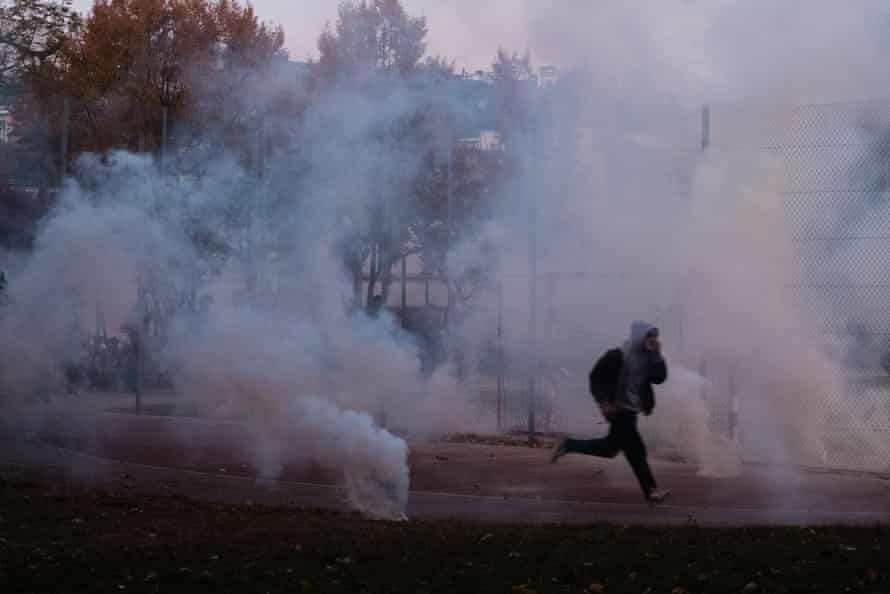
Doctors and human rights campaigners maintain that teargas is deliberately designed to cause sufficient physical discomfort to force people to leave an area, potentially discouraging public participation and freedom of assembly.
With reproductive health concerns mounting in France, campaigners are demanding greater transparency over government research, independent scientific investigations and a reassessment of the risks associated with widespread teargas deployment.
About The Author