

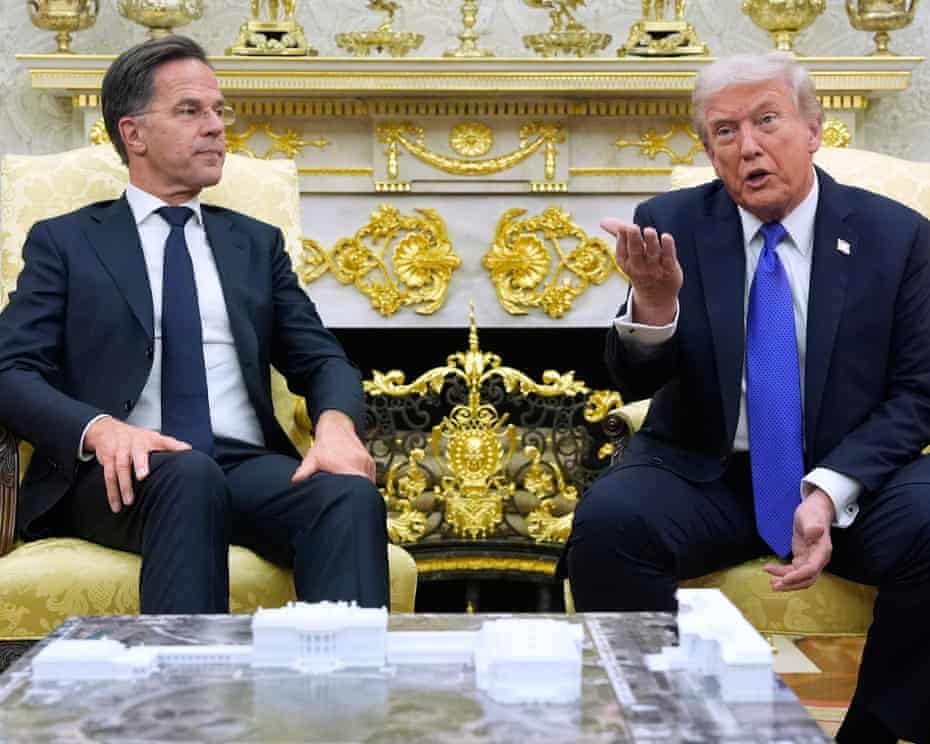
The phrase Trump NATO criticism now defines a turning point in global diplomacy, as intensifies pressure on to act decisively in securing the amid rising tensions with Iran.
A new doctrine behind Trump’s rhetoric
What appears on the surface as frustration is, in reality, a calculated shift in doctrine. Trump’s words—“very disappointing” and allies who only “understand anything” under pressure—signal more than irritation.
They point to a redefinition of NATO’s purpose.
Rather than a purely defensive alliance, Trump is attempting to transform NATO into a strategic enforcement mechanism, one capable of protecting economic lifelines such as global oil routes.
This marks a departure from decades of established policy.
NATO pushed beyond its traditional boundaries
Historically, NATO has operated within clearly defined parameters, focusing on collective defence under Article 5. But Trump’s demands stretch those limits into unfamiliar territory.
By urging action in Hormuz, Washington is effectively asking NATO to:
- Safeguard global Maritime flows
- Engage in indirect confrontation with Iran
- Assume responsibility for economic stability beyond its borders
This is not business as usual.
It is a test of NATO’s identity.
The Hormuz factor: Why it matters now
The is no ordinary passage. Roughly a fifth of the world’s oil flows through it, making it one of the most strategically vital route in global trade.
Any disruption sends shockwaves across:
- Energy markets
- Supply chains
- National economies
Trump understands this leverage.
By linking NATO credibility to Hormuz security, he raises the stakes for allies unwilling to commit militarily.
European hesitation and quiet resistance
Despite the pressure, European leaders remain cautious.
NATO Chief has acknowledged that Trump is “clearly disappointed,” but the alliance itself appears divided.
Key concerns include:
- Escalation risks with Iran
- Legal limitations of NATO mandates
- Domestic political backlash
Behind closed doors, many European governments see this as a U.S.-driven conflict, not a shared war.
And that distinction matters.
“Unfair” criticism or strategic leverage?
Some leaders have pushed back strongly.
Voices across Europe argue that NATO is being unfairly criticised for not joining a war it did not initiate. The alliance, they insist, is not designed for unilateral campaigns.
Yet Trump’s approach is less about fairness—and more about leverage.
By publicly criticising NATO, he forces allies into a dilemma:
- Act and risk escalation
- Refuse and appear weak or divided
Either outcome serves Washington’s negotiating position.

The hidden economic battlefield
Beyond military considerations lies a deeper struggle: control of global energy flows.
With oil prices surging and shipping routes under threat, Hormuz has become an economic battlefield. Whoever ensures its security effectively controls a vital artery of the global economy.
Trump’s strategy reflects this reality.
It is not just about Iran.
It is about dominance in a world where energy security equals geopolitical power.
Russia and China: The silent observers
While NATO debates its next move, rivals are watching closely.
stands to benefit from any cracks within NATO, particularly if divisions weaken Western unity.
Meanwhile, has a vested interest in uninterrupted energy flows, given China’s dependence on Middle Eastern oil.
A fractured NATO presents opportunities:
- For Russia to expand influence in Europe
- For China to position itself as a stabilising economic partner
Inaction carries consequences far beyond the Middle East.
A gamble with alliance cohesion
Trump’s strategy is undeniably bold—but it is also risky.
By pushing NATO beyond its comfort zone, he risks:
- Eroding trust among allies
- Undermining collective decision-making
- Accelerating long-term fragmentation
Yet, from another perspective, this may be intentional.
Pressure reveals weaknesses.
And in exposing those weaknesses, Trump may be seeking to reshape the alliance entirely.
What happens next?
The coming days will be critical.
If NATO agrees to a coordinated role in Hormuz, it would signal a historic expansion of its mandate. If it refuses, the alliance could face one of its deepest internal crises in decades.
Either way, the implications are profound.
This is no longer just about rhetoric.
It is about the future of global security architecture.

Conclusion: A defining geopolitical moment
The ongoing Trump NATO criticism is more than a headline—it is a defining moment in modern geopolitics.
It challenges long-held assumptions about alliances, power, and responsibility in an increasingly unstable world.
As tensions rise and decisions loom, one question remains:
Will NATO adapt to this new reality—or fracture under the weight of it?
Read more: US-Iran ceasefire crisis in Islamabad: Talks collide with Lebanon war pressure
What do you think—should NATO step in to secure the Strait of Hormuz, or would that deepen the crisis? Drop your thoughts in the comment box below.
About The Author
