“Trump Nato threats reveal Iran strategy absence” has come into sharp focus as Donald Trump pressures allies while lacking a coherent response to Iran amid escalating Middle East tensions.
“Trump Nato threats reveal Iran strategy absence” highlights how Washington underestimated Tehran’s likely retaliation after joint strikes with Israel, exposing gaps in planning and expectations across military and diplomatic fronts.
The White House appeared unprepared for asymmetric responses, as Iran targeted shipping and regional interests to “impose costs on the west,” shifting the conflict beyond conventional battlefield calculations and into economic disruption.
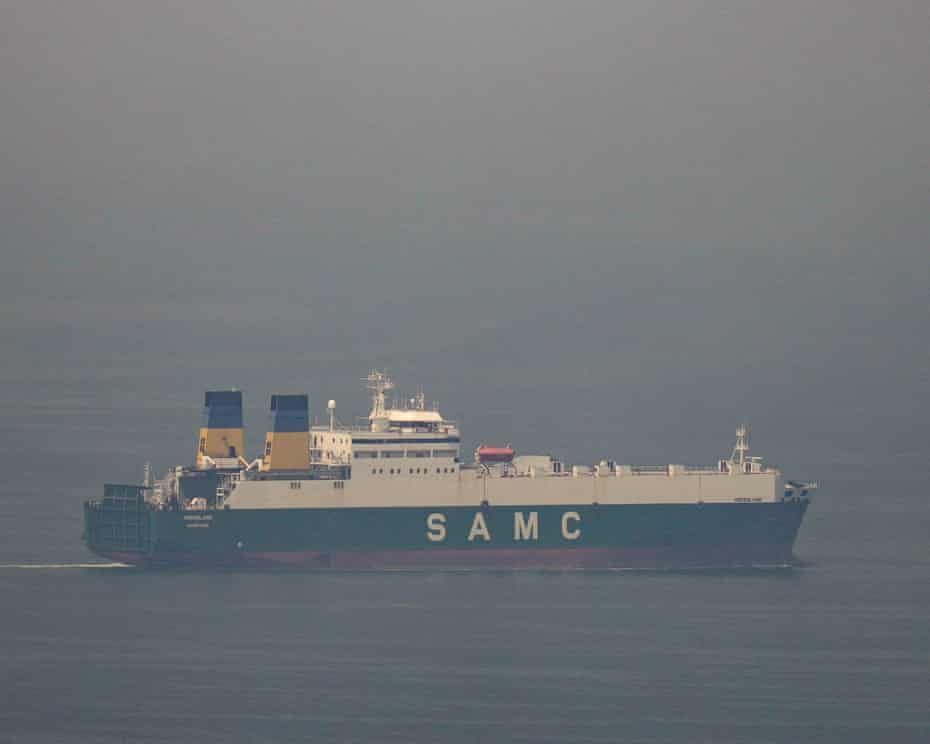
At the centre of the crisis lies the Strait of Hormuz, where repeated attacks on tankers have heightened fears, with shipping companies reluctant to risk passage through one of the world’s most critical oil routes.
Sixteen vessels have reportedly been attacked, underscoring vulnerabilities in maritime security and reinforcing concerns that naval dominance alone cannot neutralise unconventional threats posed by drones and small, fast-moving attack systems.
Despite calls for resilience, tanker operators remain cautious, reflecting a widening gap between political rhetoric and operational realities in a conflict where commercial risk calculations outweigh geopolitical pressure from Washington.
US officials suggested naval escorts may begin soon, yet logistical challenges persist, with limited available warships and unclear commitments from allies undermining the feasibility of sustained convoy protection operations.
Experts estimate that even a coordinated escort system would protect only a fraction of prewar shipping volumes, leaving the majority of vessels exposed and global energy markets vulnerable to prolonged instability.
Iran’s strategy appears rooted in persistence, leveraging drones, mines and regional proxies to stretch adversaries, while avoiding direct large-scale confrontation that could trigger overwhelming military retaliation.
Reports indicate growing effectiveness of sea drones, echoing lessons from the Russia-Ukraine war, where unmanned systems have reshaped modern warfare and challenged traditional naval superiority.
Meanwhile, Trump’s insistence on allied participation has met resistance, with countries reluctant to join a conflict they neither initiated nor fully support, highlighting fractures within long-standing security partnerships.
Japan has signalled legal and constitutional constraints, while China has remained largely silent, raising questions about the viability of a multinational response under US leadership.
European allies have also hesitated, emphasising regional defence priorities over Middle East involvement, particularly after prolonged US messaging urging them to focus on protecting their own continent.
France has deployed naval assets but stopped short of committing to Hormuz operations, while the UK has scrambled resources, revealing limited readiness for rapid escalation in distant theatres of conflict.
The situation has exposed structural weaknesses in alliance coordination, where political expectations clash with military capabilities and domestic constraints across different nations involved.
Critics argue that “Trump Nato threats reveal Iran strategy absence” reflects a broader pattern of reactive policymaking, where decisions are driven by immediate pressures rather than long-term strategic planning.
The reliance on military strength without parallel diplomatic groundwork has narrowed options, reducing flexibility in managing escalation and limiting opportunities for de-escalation through negotiation channels.
Iran, by contrast, appears to have anticipated a prolonged confrontation, preparing leadership contingencies and asymmetric tactics designed to sustain resistance despite sustained aerial bombardment.
The unfolding crisis illustrates how modern conflicts increasingly blur lines between military and economic warfare, with shipping disruptions carrying global consequences far beyond the immediate region.
Energy markets remain on edge, as even limited disruptions in the Strait of Hormuz can trigger price volatility, affecting economies worldwide and amplifying the geopolitical stakes of the confrontation.
Analysts warn that without a clear strategy, the US risks being drawn into a protracted conflict, where incremental escalation replaces decisive outcomes and strategic ambiguity undermines credibility.
Read also: NYC Mayor Zohran Mamdani faces criticism over response to wife’s past work
As tensions persist, “Trump Nato threats reveal Iran strategy absence” continues to define the narrative, raising urgent questions about leadership, alliance cohesion and the future direction of Western policy in the Middle East.
About The Author