“Naval escorts through Strait of Hormuz no guarantee of safety” has intensified global concern as maritime authorities warn that military protection cannot fully secure vessels navigating one of the world’s most volatile waterways.
The statement from International Maritime Organization underscores growing fears that escalating tensions in the Middle East are creating unpredictable and dangerous conditions for commercial shipping operations.
Arsenio Dominguez, secretary-general of the International Maritime Organization, emphasized that relying on naval escorts is not a sustainable or reliable long-term solution for ensuring safe passage.
He stressed that even with military presence, ships remain exposed to risks such as miscalculation, sudden attacks, or unintended escalation in a region already fraught with geopolitical instability.
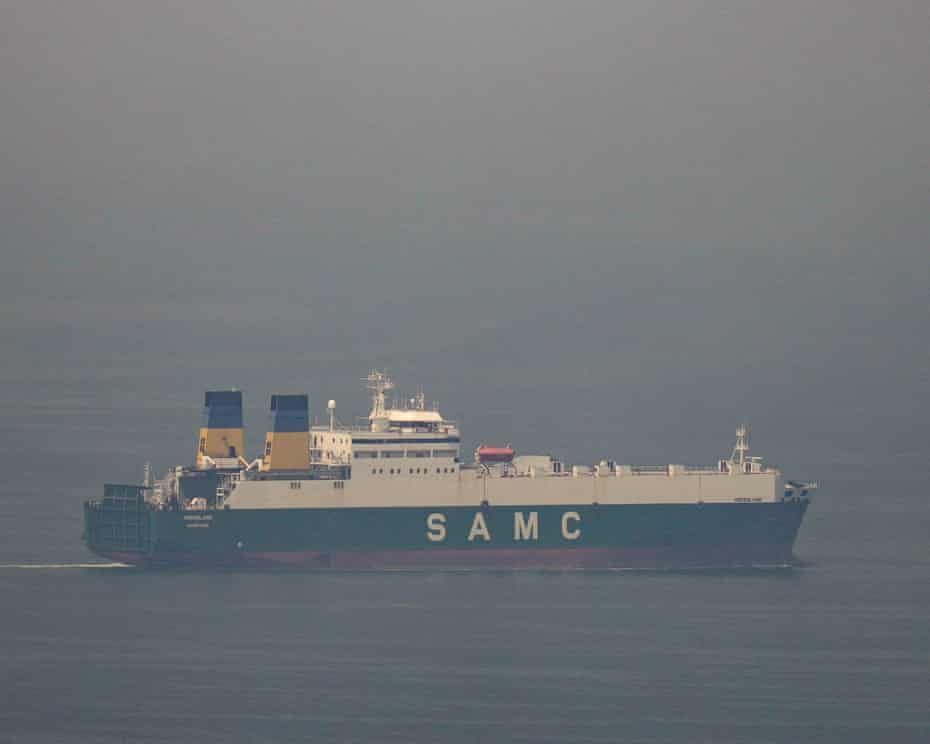
The Strait of Hormuz is a critical maritime chokepoint through which a significant portion of the world’s oil and gas supplies pass, making any disruption a matter of global economic concern.
Shipping companies operating in the region now face mounting pressure to reassess risk levels, insurance costs, and operational decisions as uncertainty continues to grow around safe navigation.
Dominguez highlighted that vessels transiting the area are effectively becoming “collateral damage” in a conflict that has little to do with the shipping industry itself.
This reality has left seafarers particularly vulnerable, as they are caught in the crossfire of geopolitical disputes beyond their control or influence.
The warning also reflects broader concerns about the sustainability of military interventions in maintaining commercial shipping routes under prolonged conflict conditions.
While naval escorts may provide temporary reassurance, they do not eliminate the underlying threats posed by regional tensions, including missile strikes, drone attacks, or naval confrontations.
In addition to security threats, logistical challenges are emerging for ships stranded or delayed within the Persian Gulf due to heightened risks.
Dominguez revealed that some vessels are facing shortages of essential supplies, including food and basic necessities required to sustain crews during extended delays.
This humanitarian dimension adds another layer of urgency to the crisis, as prolonged disruptions could impact the wellbeing and safety of thousands of seafarers.
The International Maritime Organization has called for immediate attention to these challenges, urging stakeholders to prioritize crew welfare alongside security considerations.
An extraordinary meeting of the IMO council has been scheduled at its London headquarters to address the growing crisis and evaluate possible responses.
The meeting is expected to bring together international representatives to discuss coordinated measures aimed at mitigating risks and supporting affected vessels and crews.
Industry experts warn that prolonged instability in the Strait of Hormuz could trigger ripple effects across global supply chains and energy markets.
Any sustained disruption to shipping flows through the region could lead to increased fuel prices, supply shortages, and economic uncertainty worldwide.
Shipping firms are already exploring alternative routes, though such options often involve longer transit times and higher operational costs.
These adjustments could ultimately be passed on to consumers, contributing to inflationary pressures in multiple sectors.
Dominguez has urged ship managers to exercise extreme caution, advising against unnecessary voyages through high-risk areas.
His call for restraint reflects the seriousness of the situation and the need to avoid exposing crews and vessels to avoidable danger.
The warning also highlights the limits of military solutions in addressing complex geopolitical conflicts affecting global trade routes.
While naval forces can deter certain threats, they cannot fully neutralize the risks posed by asymmetric warfare tactics or sudden escalations.
This has led to growing recognition that diplomatic efforts are essential to achieving lasting stability in the region.

Without addressing the root causes of conflict, temporary security measures are unlikely to provide meaningful or lasting protection for maritime operations.
The situation has also raised questions about the resilience of global shipping infrastructure in the face of geopolitical crises.
As one of the world’s most important trade arteries becomes increasingly unstable, stakeholders are being forced to reconsider long-standing assumptions about maritime security.
Insurance companies are responding by adjusting premiums and coverage conditions for vessels operating in high-risk zones.
These changes reflect the heightened level of uncertainty and the potential financial impact of disruptions or incidents in the region.
For seafarers, the crisis represents a deeply personal challenge, as they navigate not only physical dangers but also psychological stress associated with operating in conflict zones.
Support systems for crew members are becoming increasingly important as the industry grapples with the human cost of geopolitical instability.
The International Maritime Organization continues to advocate for international cooperation in addressing these challenges, emphasizing the need for collective action.
Such cooperation is essential to ensuring that maritime trade can continue safely while minimizing risks to those who depend on it.
The warning that “naval escorts through Strait of Hormuz no guarantee of safety” serves as a stark reminder of the vulnerabilities inherent in global shipping networks.
It also highlights the interconnected nature of modern economies, where disruptions in one region can have far-reaching consequences.
As the IMO council convenes to քննարկ the crisis, the world will be watching closely for signs of progress or resolution.
Read also: Former US academic charged with dealing meth shocks Indiana community after police raid reveals drugs and counterfeit cash
The outcome of these discussions could shape the future of maritime security strategies in conflict-prone regions.
In the meantime, shipping companies, governments, and international organizations must navigate a complex and rapidly evolving landscape.
Balancing safety, economic necessity, and geopolitical realities will remain a formidable challenge in the weeks and months ahead.
Ultimately, the crisis underscores the urgent need for sustainable solutions that address both immediate risks and underlying causes of instability.
Without such solutions, the warning that “naval escorts through Strait of Hormuz no guarantee of safety” may continue to define the reality of global shipping in uncertain times.
About The Author