

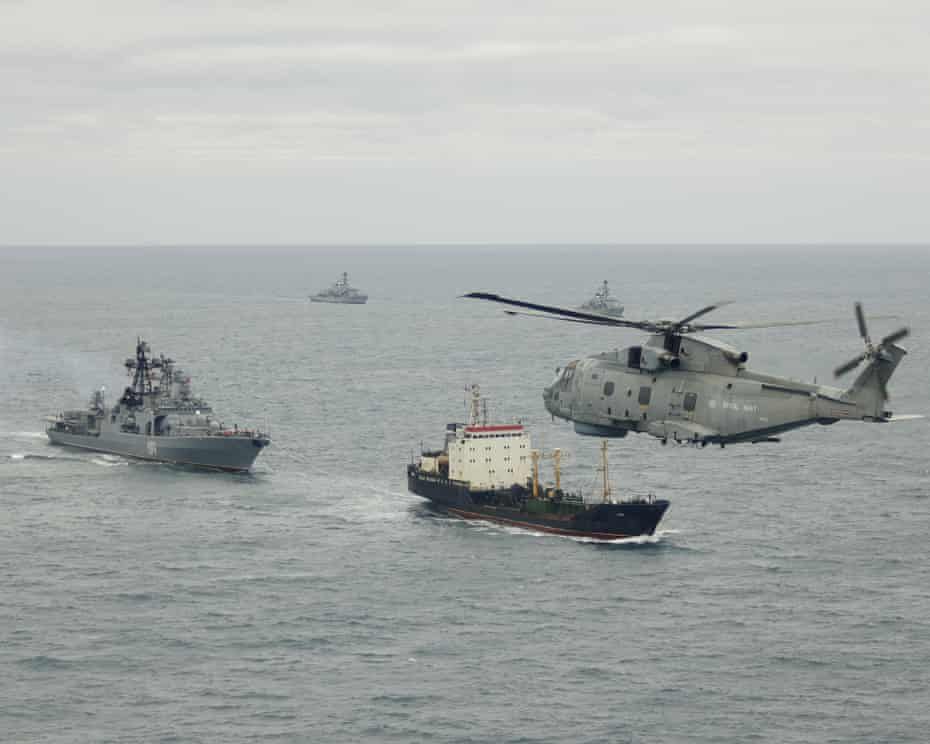
The unfolding UK submarine threat exposed narrative reveals how the Royal Navy tracked and forced Russian submarines to abandon covert operations targeting critical undersea infrastructure in the North Atlantic. This episode shows that beneath the public gaze, a high-stakes confrontation is taking place where the ocean floor itself has become a frontline.
A silent battlefield beneath the ocean
Far from public view, a quieter but equally dangerous conflict is unfolding beneath the waves. Undersea cables—often ignored in mainstream discourse—carry over ninety-five percent of global internet traffic, forming the backbone of financial systems, military communications, and global data exchange. Any disruption of these vital networks could paralyse entire economies within hours, demonstrating the strategic importance of protecting them.
“We see you”: A direct warning to Moscow
Speaking with unusual bluntness, John Healey issued a stark warning to Vladimir Putin: “We see you… any attempt to damage them will not be tolerated.” This was not routine diplomatic language but a deliberate signal, public and strategic, that the UK is willing to expose covert actions before they escalate into a full-blown crisis.
The operation that unfolded in the shadows
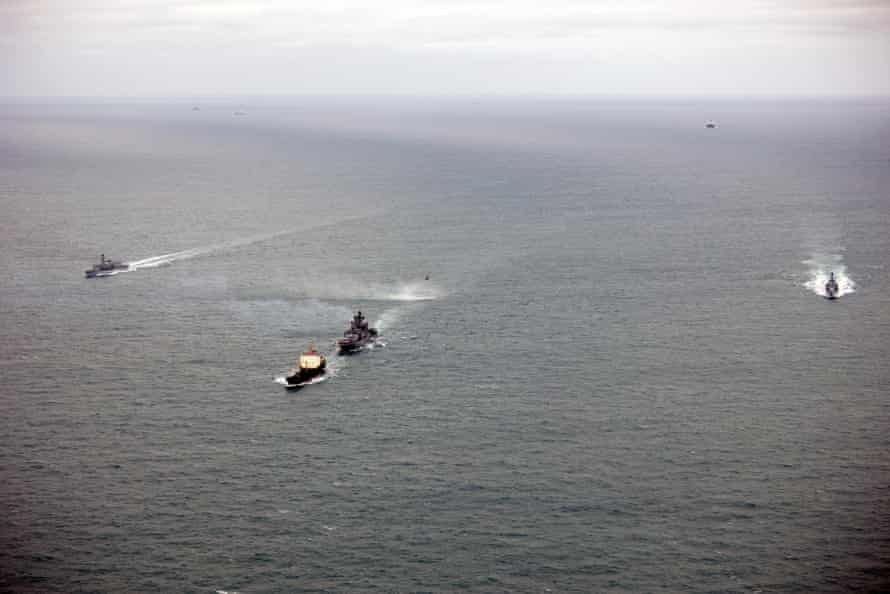
Over more than a month, British forces executed a sustained monitoring mission that involved warships, surveillance aircraft, and approximately five hundred personnel. Advanced tracking ensured that Russian submarines, including an Akula-class vessel, were followed continuously until they withdrew. The message was unmistakable: stealth had failed, and the attempted secret operation had been exposed.
Why undersea cables are the new frontline
Modern warfare is no longer confined to land, air, or space. The ocean floor has become a critical domain, where undersea infrastructure represents a low-cost, high-impact target, a deniable method of disruption, and a strategic point that could destabilize nations without immediate attribution. Russia’s interest in mapping these networks reflects a doctrine of preparing the battlefield in advance of conflict, giving them potential leverage over Western nations.
A calculated move during global distraction
The timing of the activity is particularly notable. According to UK officials, the operation occurred while global attention was focused on the Middle East, where tensions involving Iran dominated headlines. This suggests a familiar tactic of operating in the shadows, exploiting global distraction, and testing responses without triggering direct escalation. It is a form of strategic opportunism designed to probe vulnerabilities quietly and methodically.
NATO’s growing concern over hybrid threats
This incident underscores rising fears within NATO about “hybrid warfare”—actions that fall below the threshold of open conflict. Such tactics include cyberattacks, infrastructure surveillance, and covert sabotage preparations. These activities blur the line between peace and war, presenting a challenge for deterrence and national defense strategies.
Britain’s message: deterrence still works
Despite the risks, the UK government framed the operation as a success. By detecting and exposing the submarines, Britain demonstrated its surveillance capability, rapid response readiness, and strategic deterrence. In effect, the operation served as proof that Western powers are not blind to undersea threats and are capable of taking measured action when vital infrastructure is targeted.
The wider geopolitical chessboard
This event is not an isolated incident but part of broader tensions between Russia and the West, intensified since conflicts in Eastern Europe and beyond. For Vladimir Putin, probing undersea infrastructure offers strategic intelligence, potential leverage in future crises, and a method to challenge NATO without provoking direct confrontation. For the UK and its allies, it raises uncomfortable questions about vulnerability in domains that are often invisible to the public eye.
What happens if cables are targeted?
The consequences of a successful attack on undersea cables would be immediate and severe. It could disrupt global banking systems, cripple communications networks, and trigger widespread economic instability. Unlike conventional military strikes, such actions could occur without clear attribution, complicating retaliation and raising the stakes for international security.

A new era of invisible conflict
The exposure of this operation signals a shift in how modern conflicts are conducted. Wars of the future may not begin with missiles or troops but with silent disruptions beneath the ocean floor. These conflicts are invisible, deniable, and potentially devastating, highlighting a new dimension of strategic competition.
Conclusion: a warning beneath the waves
The emerging UK submarine threat exposed story is more than a defensive success; it is a warning about the future of warfare. It highlights how critical infrastructure has become a prime target and how global powers are quietly preparing for scenarios few citizens fully understand. As tensions rise, one question becomes unavoidable: are nations truly prepared to defend the invisible networks that keep the modern world running?
Read also: Trump NATO criticism reshapes global power play as Hormuz pressure mounts
About The Author

Ray bet, been hearing whispers about this. Worth checking out for some quick fun? Hit me up if you’ve tried it! Check it out here ray bet
Joined Citibet88net a while back. It’s a solid betting platform with a good range of sports and events to bet on. Worth considering if you’re looking for a new bookie. citibet88net
Just hopped onto Gamerio66 and so far so good! Loving the variety of games they have. Seems legit. Check it out yourself: gamerio66