


As global navies modernize, tech firms battle for undersea dominance with submarine drones, redefining maritime warfare. Uncrewed vehicles offer scalable, cost-efficient alternatives to traditional manned submarines and patrol ships.
The Royal Navy is developing a fleet of autonomous submarines to protect undersea cables, pipelines, and monitor adversary vessels across key strategic chokepoints worldwide. Innovation is accelerating rapidly.
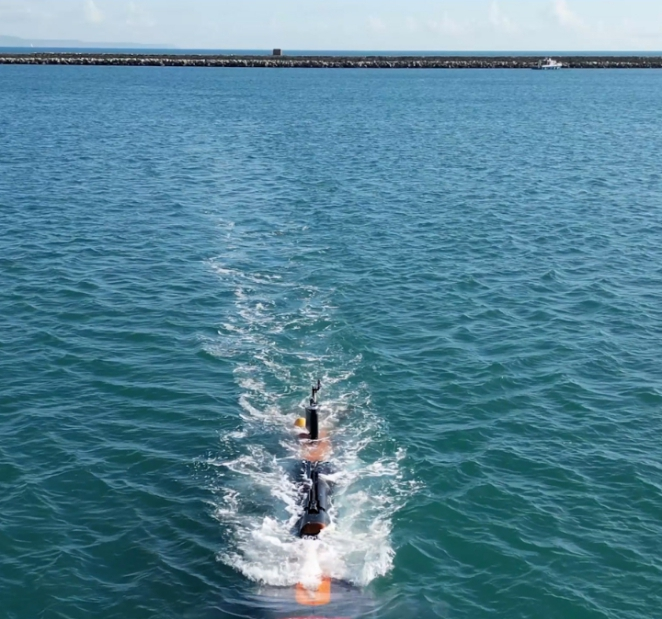
Australia has committed $1.7 billion to its Ghost Shark UUV program, aiming to counter Chinese submarine operations. The move underscores rising geopolitical tensions in the Indo-Pacific region.
The United States Navy deploys multiple uncrewed underwater projects, including systems launched from nuclear submarines. Persistent underwater surveillance is now achievable at significantly lower operational costs.
“Autonomous UUVs represent a genuine step-change in maritime strategy,” said Scott Jamieson of BAE Systems, emphasizing affordability, scalability, and rapid deployment in conflict scenarios at sea.
Established defense companies, including BAE Systems, Boeing, and General Dynamics, compete directly with startups like Anduril and Helsing, which promise faster development cycles and lower production expenses.
Anduril’s Ghost Shark, an extra-large autonomous underwater vehicle, has been adopted by the Royal Australian Navy, reflecting confidence in commercially developed undersea defense technologies and autonomous operations.
“Speed and adaptability are the new currency in undersea warfare,” said Palmer Luckey, Anduril founder. “Innovators deploying reliable drones will dominate maritime strategic landscapes in coming decades.”
Undersea dominance historically underpins global power. Nuclear submarines, exemplified by the U.S. Nautilus in 1954, form deterrent cores for six to seven nuclear-armed nations worldwide.
Despite strategic advantages, these submarines come with massive costs. Extended deployments strain resources, as British submariners recently endured nine-month underwater tours due to surface vessel maintenance issues.
Tracking rival nuclear arsenals remains critical. The Royal Navy monitors the GIUK gap, a vital chokepoint for detecting Russian submarine movements across the North Atlantic Ocean.
Similarly, the South China Sea is a strategic and commercial hotspot. Autonomous UUVs help detect adversary activity while offering companies lucrative contracts in contested waters.
UUVs provide persistent surveillance with seabed sensors remaining operational for months. “The strategic advantage lies in persistence and stealth,” said Andy Thomis, CEO of sonar technology company Cohort.
Protecting undersea infrastructure is increasingly urgent. Pipeline attacks, including Nord Stream in 2022 and the Balticconnector incident in 2023, have exposed vulnerabilities affecting energy security and global commerce.
Undersea communication cables are equally critical. Networks connecting continents face sabotage risks. Nations like the UK have increased patrols to protect these indispensable digital arteries.
The UK accused Russia’s Yantar surveillance ship of mapping undersea cables, noting a 30% increase in threatening naval activity over two years. Grey zone operations are escalating.
Parliamentary defense committees warn damage to the UK’s 60 undersea cables could cause catastrophic disruptions. Autonomous drones may mitigate some risks but introduce novel vulnerabilities simultaneously.
Cohort CEO Andy Thomis emphasized combining human decision-making with UUV capabilities, reducing operational risk for crewed vessels while enhancing sensor network effectiveness across oceans.
BAE Systems has already tested the Herne underwater drone, while Helsing prepares Portsmouth-based facilities for mass production. Anduril explores UK manufacturing, signaling foreign investment in defense technology.
Initial contracts will see testing in northwestern Scotland by QinetiQ, with potential full-scale orders handled by companies like Atlantic Net to secure strategic chokepoints such as the GIUK gap.
The Royal Navy describes the initiative as “anti-submarine warfare as a service,” integrating uncrewed capabilities into existing military frameworks with oversight from defense authorities.
Anduril’s Dive LD autonomous underwater vehicle highlights the growing role of commercially developed systems in national security. UK manufacturing could accelerate domestic UUV deployment and maintenance.
Sidharth Kaushal of the Royal United Services Institute noted prior submarine-hunting strategies required expensive assets. Cheap drones offer potential cost reductions but require rigorous operational planning.
Warships use 100-meter cables with sonar arrays, planes deploy sonobuoys, and satellites track surface wake patterns. UUVs complement these assets by providing persistent, stealthy, underwater monitoring.
Cheap autonomous drones could reduce costs but remain expensive to maintain. Undersea cable protection may become more efficient but could inadvertently make sabotage operations more accessible.
The Ministry of Defence emphasizes contractor-owned, contractor-operated systems under naval oversight. Private UUVs may be military targets, but their integration is key to large-scale anti-submarine operations.
Ian McFarlane of Thales UK warns Russia will test these UUVs immediately. “The goal is mass and persistence to counter aggressors ramping up undersea operations,” he said.
Sensors such as Cohort’s Krait system may be deployed on smaller UUVs, allowing fleets to operate with higher sensor density without increasing vessel size or power demands.
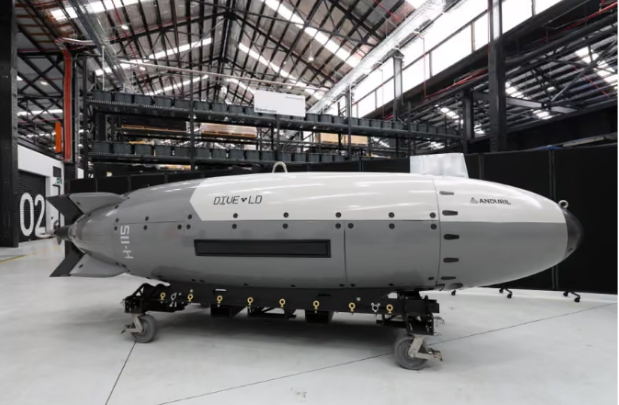
New autonomous systems carry five times more sonar sensors than manned submarines. Passive sonar reduces detection risk, providing strategic advantages in contested waters, particularly against stealthy adversaries.
Ukraine’s experience shows rapid drone deployment can significantly affect battlefield outcomes. Lessons learned are guiding the Ministry of Defence’s Project Cabot, emphasizing speed and affordability for undersea UUVs.
The rise of uncrewed underwater vehicles is reshaping global naval power dynamics. Tech firms battle for undersea dominance with submarine drones, setting the stage for a new maritime arms race.
Nations investing early in UUV programs may gain decisive advantages in monitoring adversary submarines, securing critical infrastructure, and deterring aggressive undersea operations in multiple theaters worldwide.
Despite potential, industry leaders caution that technology alone cannot guarantee superiority. Maintenance, cybersecurity, and operational doctrine remain critical factors in determining the effectiveness of UUV fleets.
Private companies are increasingly critical partners in defense. The contractor-operated model introduces commercial innovation into military frameworks while raising legal and operational complexities regarding conflict engagement.
As more nations prioritize UUV development, tech firms battle for undersea dominance with submarine drones, creating competition that drives innovation, lowers costs, and accelerates adoption of autonomous systems globally.
Future naval strategy will rely on persistent, scalable, and cost-effective platforms. Autonomous drones may become the primary undersea surveillance tool, supplementing traditional submarines in high-stakes strategic environments.
In contested regions like the South China Sea and North Atlantic, UUVs enable continuous monitoring. Their stealth, endurance, and modularity redefine naval tactics and deterrence strategies worldwide.
Experts predict mass deployment of UUV fleets will increase operational tempo and risk assessment capabilities, allowing smaller navies to punch above their weight in undersea conflict scenarios.
Tech firms battle for undersea dominance with submarine drones, reflecting a paradigm shift in maritime security. Nations, startups, and defense contractors are locked in a high-stakes technological race.
The economic potential is significant. UUV production, sensor integration, and maintenance contracts represent billions in investment, attracting private and government capital while stimulating defense-related technological development.
Autonomous underwater technology will influence policy, procurement, and strategy for decades. Lessons learned from current deployments will shape doctrine, international norms, and deterrence frameworks globally.

Strategic analysts warn that drones’ dual-use nature could trigger escalation, as both defense and sabotage capabilities exist within the same platform, necessitating careful operational planning and oversight.
The convergence of commercial innovation and military requirements defines the modern maritime battlefield. Tech firms battle for undersea dominance with submarine drones, combining entrepreneurial agility with strategic necessity.
—
About The Author


