The UK rejoining the EU could become a major political issue as former European Union Brexit negotiator Michel Barnier says Britain would be welcomed back into the bloc, but only if it accepts conditions attached to membership.
Barnier, the former French prime minister who led the EU’s negotiations with Britain during Brexit, said the United Kingdom would face a complicated process if it decided to reverse its departure from the European Union.
He stressed that Britain could not expect to return on precisely the same terms it enjoyed before Brexit, warning that membership would require negotiations, political decisions and acceptance of the bloc’s rules.
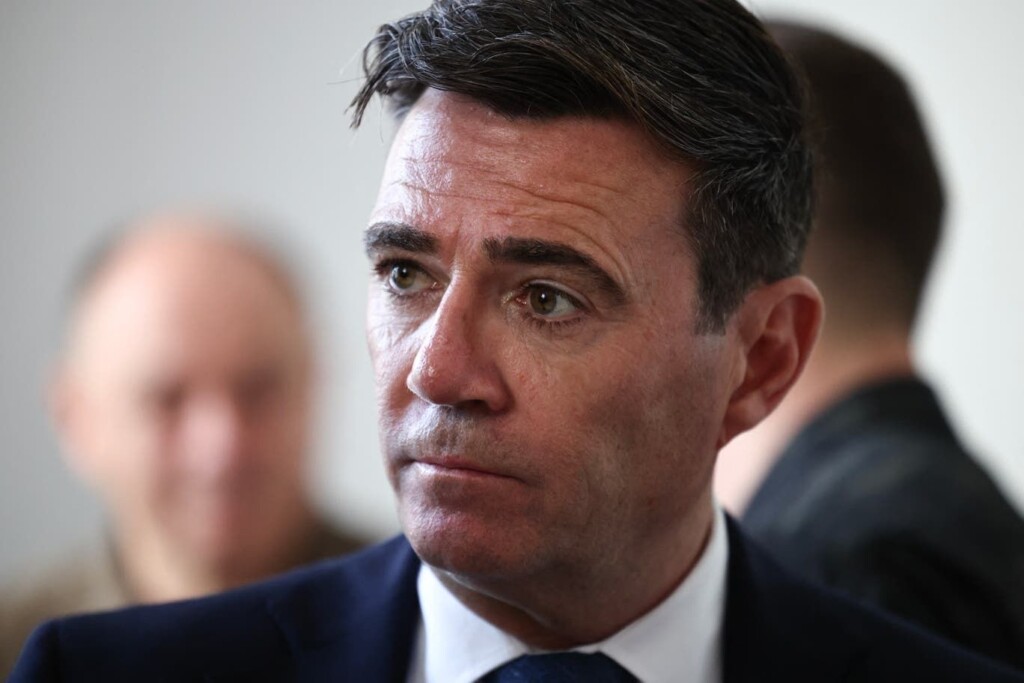
His comments come amid renewed debate in Britain about its relationship with Europe, with Prime Minister Andy Burnham indicating that Labour’s next election manifesto could potentially include an in-out referendum on EU membership.
Michel Barnier Explains Conditions for Britain to Rejoin the EU
Barnier said Britain would be welcome to seek membership again, but the process would involve conditions rather than an automatic restoration of its former position.
The former chief negotiator recalled that Britain had left approximately 600 international agreements when it withdrew from the European Union.
He argued that any attempt to return would therefore require a serious examination of the country’s future relationship with the bloc and the obligations that membership would involve.
His position suggests that European leaders could be open to renewed negotiations, while insisting that Britain must understand the consequences of its decision to leave.
Barnier told POLITICO that Britain’s departure had been a sovereign decision and that any move to reopen membership discussions would also have to be decided by the United Kingdom.
He said: “Welcome back, but there are conditions attached.”
The remarks underline the distinction between improving cooperation with Europe and formally becoming an EU member again.
Parliament Must Debate Britain’s European Future
Barnier said the British Parliament should debate the country’s intentions before the government pursued a closer relationship with the European Union.
He specifically called for discussions in both the House of Commons and the House of Lords, arguing that Britain’s future direction must be established through a clear political process.
“Andy Burnham and his government need to clarify their intentions and debate them in the House of Commons and the House of Lords,” he said.
The comments place renewed attention on the role of Parliament in determining whether Britain should pursue closer ties, negotiate additional agreements or consider full membership.
Any decision to seek re-entry would also raise questions about public opinion, the economic consequences of Brexit and the political commitments required to secure an agreement with European governments.
Barnier’s position is that the United Kingdom must first decide what it wants before negotiations over membership can meaningfully begin.
No Single Market Membership Without Accepting EU Rules
One of Barnier’s central warnings concerned Britain’s potential relationship with the European single market.
He rejected the idea that the United Kingdom could select only the advantages it wanted while avoiding the responsibilities associated with membership.
“There would be no single market à la carte,” Barnier said.
The single market allows participating countries to trade across borders under common rules governing goods, services, capital and people. Access depends on compliance with the relevant arrangements.
Barnier noted that countries participating in the customs union or single market without being EU members cannot vote on European legislation that establishes the rules they must follow.
This creates a difficult choice for Britain if it seeks greater access to European markets without returning to full membership.
Closer alignment could reduce certain trade barriers, but it could also limit the freedom of the British government to diverge from European regulations in areas covered by an agreement.
Brexit Has Created Difficult Choices for the UK
Barnier described Brexit as an outcome that left both sides facing disadvantages.
“Brexit was a lose-lose game, and I would like us to somehow build a win-win game,” he said.
His remarks reflect concerns about the economic and political consequences of Britain’s departure, although the effects of Brexit remain subject to debate among economists and policymakers.
Supporters of leaving the EU have argued that Brexit restored national control over laws, borders and trade policy. Critics have highlighted additional administrative requirements, barriers to trade and reduced access to some European arrangements.
The debate has become increasingly relevant as British politicians consider whether existing agreements provide sufficient cooperation with the bloc.
Barnier suggested that Britain did not necessarily need to begin by seeking full membership. Instead, the two sides could pursue practical cooperation in areas where their interests overlap.
Andy Burnham Raises Possibility of an EU Referendum
The debate has gained attention following comments by British Prime Minister Andy Burnham, who said Labour’s next election manifesto could potentially include an in-out referendum on European Union membership.
His remarks represented a significant indication that the question of Britain’s long-term relationship with Europe could feature in future political discussions.
Former Labour leader Neil Kinnock has also argued that Burnham could lead efforts to take Britain back into the EU.
However, the possibility of a referendum being included in a future manifesto does not mean that a vote has been formally scheduled or that the government has committed to pursuing membership.
A referendum proposal would raise questions about its timing, the wording of the ballot, the government’s negotiating objectives and the political consequences of either outcome.
Barnier’s comments indicate that any renewed British initiative would need to be accompanied by clear domestic political backing.
Public Support for Rejoining Has Increased
Support for Britain rejoining the European Union has reportedly reached its highest level since the Brexit referendum, according to polling figures cited by The Independent.
Professor Sir John Curtice, a leading British polling expert, was cited as saying that support for rejoining had reached 61 per cent.
Such polling offers an indication of changing public attitudes, although results can vary depending on the wording of questions, the timing of surveys and the groups sampled.
The figure does not, by itself, establish that the British public has reached a settled consensus on the conditions under which the country should return.
Rejoining would involve more than expressing support for closer relations. It would require a formal political decision, negotiations with the EU and agreement on the terms of accession.
The economic implications of any proposed arrangement would also likely become central to a national debate.
Brexit’s Economic Consequences Remain Under Scrutiny
The economic impact of Brexit remains a major part of discussions about Britain’s future relationship with Europe.
Nick Bloom, a professor at Stanford University, has estimated that the UK economy may have lost up to 8 per cent of gross domestic product through reduced trade, increased red tape and delays associated with implementing the Brexit arrangements.
That estimate is a researcher’s assessment rather than an uncontested measure of Brexit’s total economic impact.
Nevertheless, questions about trade, investment, productivity and the cost of doing business continue to shape arguments about whether Britain should seek closer economic integration with the EU.
Businesses operating across the Channel have had to navigate arrangements that differ from those in place when Britain was a member of the bloc.
A future agreement could seek to reduce some of those barriers, although the benefits would depend on the specific terms negotiated and the obligations Britain accepted in return.
For policymakers, the challenge would be balancing economic cooperation with the political commitments and regulatory choices associated with closer integration.
EU-UK Summit Could Open the Door to Closer Cooperation
Barnier pointed to the EU-UK summit scheduled for November 20 as evidence of a changing atmosphere between Britain and European leaders.
He said Burnham’s openness to discussing Britain’s European future had encouraged a new dynamic in relations between the two sides.
However, Barnier stressed that practical cooperation could advance even before the question of full membership was resolved.
“Before talking about rejoining the bloc, there are lots of things we can do with the United Kingdom,” he said.
He identified foreign policy and defence as possible areas for deeper cooperation, suggesting that Britain could work more closely with European partners on shared security priorities.
Barnier also raised the possibility of the United Kingdom participating in major European investments in artificial intelligence.
“All that is open today,” he said.
These proposals suggest that closer cooperation does not necessarily depend on an immediate decision about rejoining the EU.
Regulatory Differences Could Complicate Future Agreements
Despite expressing openness to cooperation, Barnier warned that differences between British and European regulations could make negotiations more difficult.
He acknowledged that Britain had the right to diverge from European rules following Brexit, but indicated that regulatory differences could complicate future arrangements.
“It’ll be more complicated if the British diverge from European regulation. Currently it’s their right to do so… We need to tread carefully,” he said.
The issue could become particularly important if Britain seeks wider access to the single market while maintaining the freedom to establish different standards.
European governments would need to determine which rules Britain must follow in exchange for particular benefits, while British politicians would have to consider how those requirements fit with domestic policy priorities.
Any future agreement would therefore involve practical negotiations over trade, regulation, governance and the balance between national autonomy and shared European rules.
What Happens Next in Britain’s Relationship With Europe?
The UK rejoining the EU remains a possibility for political debate rather than a confirmed government policy or an agreed European accession process.
Read also: Putin Trump resume Ukraine peace talks as Russia frees US teacher
Barnier’s comments show that former Brexit negotiators may be open to Britain’s return, but the conditions of membership would need to be negotiated rather than assumed.
Britain would first have to establish its political objectives, secure domestic support and decide whether to pursue full membership or closer cooperation through alternative agreements.
European governments would also need to assess the terms of any application and determine the obligations associated with renewed membership.
In the meantime, the November 20 EU-UK summit could provide an opportunity to explore cooperation in areas such as defence, foreign policy, trade and artificial intelligence.
The broader debate is likely to continue as British politicians weigh the economic consequences of Brexit against questions of sovereignty, regulatory independence and access to European institutions.
For Barnier, the central message is that Britain would not be shut out if it sought to return, but rejoining would require clear decisions and acceptance of the responsibilities that come with EU membership.
About The Author