Putin Trump Ukraine peace talks have gained fresh momentum after Russian President Vladimir Putin agreed to resume US-mediated negotiations involving Russia, Ukraine and the United States, with discussions potentially beginning in November.
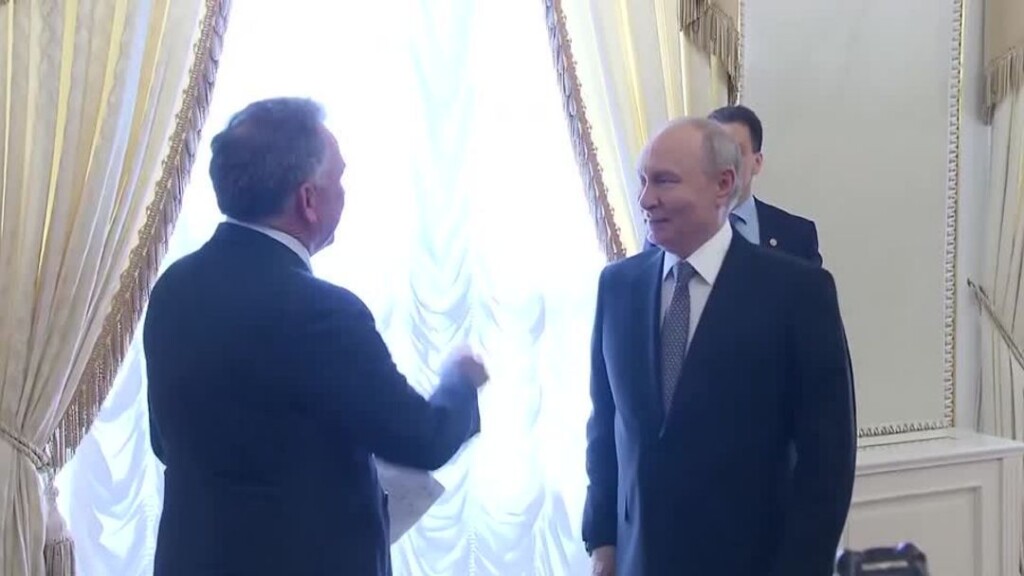
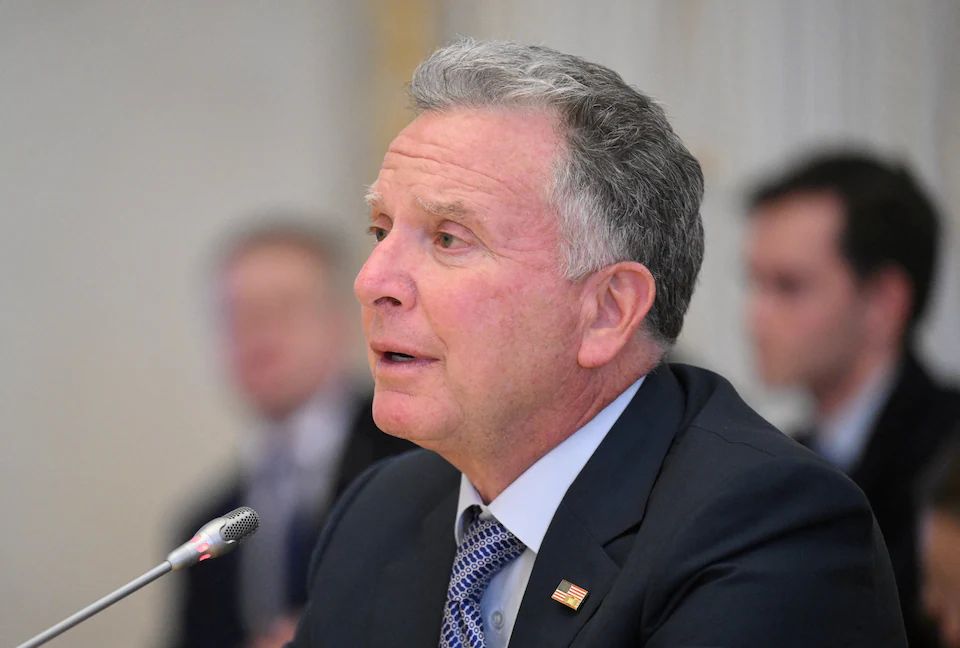
The Kremlin announced the development after Putin met US special envoy Steve Witkoff in St Petersburg on Wednesday. The meeting lasted nearly three hours and marked the ninth face-to-face encounter between the Russian leader and the American envoy.
According to Kremlin aide Yuri Ushakov, the proposed negotiations could begin on or after November 10, with Abu Dhabi mentioned as a possible venue. The discussions would initially take place at a technical level.
The proposed talks would focus on security guarantees for both Russia and Ukraine after the war. However, significant disagreements remain over territorial control, Ukraine’s future relationship with NATO and the terms of a potential peace agreement.
Putin Agrees to Three-Way Negotiations With Ukraine and the US
The Kremlin’s announcement represents a potential opening for renewed diplomatic engagement after months of uncertainty surrounding efforts to end Russia’s war against Ukraine.
Putin and Witkoff discussed the possibility of bringing representatives of Russia, Ukraine and the United States together for further negotiations. However, the proposed discussions do not yet constitute a confirmed peace agreement.
The possibility of holding the meeting in Abu Dhabi suggests that diplomatic efforts could continue outside the territories directly involved in the conflict.
Ushakov said the negotiations would initially concentrate on technical issues, particularly security arrangements that could shape relations between Russia and Ukraine after the fighting ends.
Nevertheless, the precise composition of the negotiating teams, the final venue and the detailed agenda remained uncertain following the announcement.
The Kremlin also indicated that discussions would need to address Moscow’s concerns, suggesting that Russia would not automatically accept proposals developed by Ukraine and its Western partners.
Russia Releases American Teacher as Goodwill Gesture
During the meeting, Russia released Stephen Hubbard, a retired American teacher, at the request of US President Donald Trump.
The Kremlin described the release as a goodwill gesture, indicating that Moscow was prepared to take steps that could help improve the atmosphere surrounding diplomatic discussions.
The decision came as Washington continued efforts to persuade Russia and Ukraine to move towards a settlement of their prolonged conflict.
However, Hubbard’s release does not resolve the broader disagreements between Moscow, Kyiv and Washington. The three governments continue to face difficult questions about territory, security arrangements and the conditions required to end hostilities.
The development nevertheless provided a separate sign of diplomatic engagement during Witkoff’s latest visit to Russia.
US Envoy Reports Momentum in Ukraine Peace Discussions
Witkoff’s meeting with Putin followed discussions in Oslo involving Ukrainian President Volodymyr Zelenskyy, Nordic leaders and representatives from European countries and NATO.
The American envoy described those discussions as having “some degree of momentum”, suggesting that diplomatic engagement had produced developments worth exploring further.
A US official also said Ukraine had brought forward new ideas and proposals during the discussions. The details of those proposals were not immediately disclosed.
However, Ushakov indicated that Moscow remained dissatisfied with aspects of the emerging diplomatic picture.
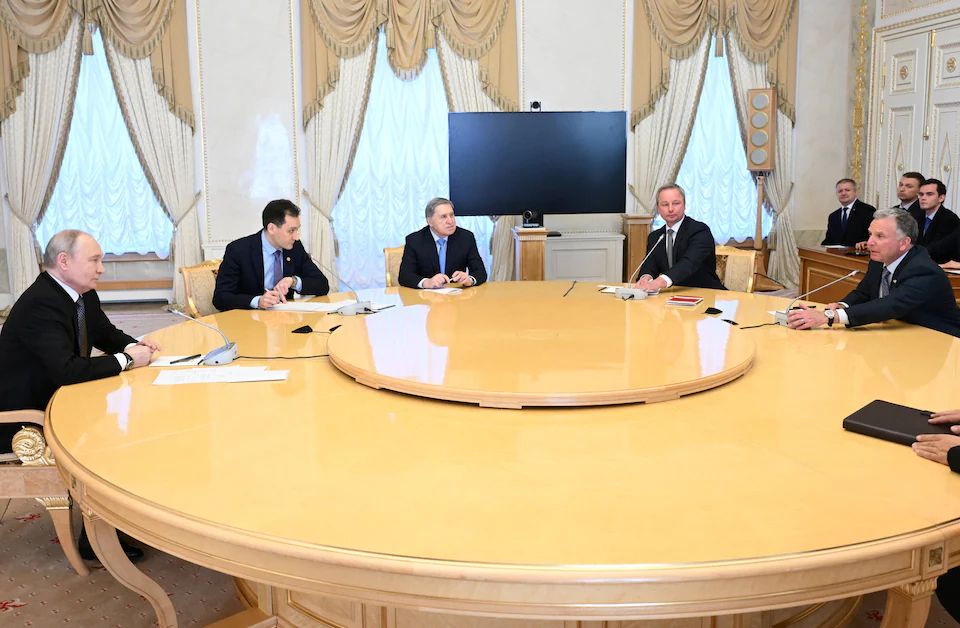
“These nuances, so to speak, do not entirely satisfy us,” the Kremlin aide said, highlighting the continuing differences between Russia and the other parties involved.
His remarks suggested that the diplomatic process still faced considerable obstacles, even as Washington attempted to bring the opposing sides closer to negotiations.
The challenge will be determining whether the proposals discussed in Oslo can be reconciled with Russia’s demands and Ukraine’s insistence on protecting its sovereignty and security.
Trump Presses Ukraine to Reach an Agreement
Trump has repeatedly urged Ukraine to reach a deal with Russia, warning that Kyiv could face serious consequences if negotiations fail.
The US president has also faced pressure to demonstrate progress towards ending a war that he previously pledged to resolve within 24 hours of taking office.
However, the conflict has proved considerably more complicated than that campaign promise suggested, with territorial disputes and competing security demands continuing to obstruct negotiations.
Russia’s principal demands include gaining full control of the Donetsk region, preventing Ukraine from joining NATO and securing a comprehensive peace agreement rather than accepting a temporary ceasefire.
These conditions remain highly contentious because Ukraine opposes surrendering its territory and has sought security arrangements that would reduce the risk of another Russian invasion.
Consequently, any agreement would require difficult compromises or alternative arrangements acceptable to the parties involved.
The latest diplomatic developments indicate that discussions may resume, but they do not establish that the fundamental disagreements have been resolved.
Putin Offers US Assistance on Iran’s Nuclear Programme
Beyond Ukraine, Putin and Witkoff discussed Iran’s nuclear programme and the possibility of reaching an agreement with Tehran.
The Russian president said a deal with Iran was both possible and necessary, pointing to Moscow’s longstanding relationship with the country.
Russia has maintained diplomatic and economic ties with Iran for decades, giving the Kremlin a potential role in discussions concerning Tehran’s nuclear ambitions and relations with Western governments.
Putin’s offer to assist Washington on the issue could provide another area for engagement between the two countries, despite their differences over Ukraine and other international matters.
However, the discussions did not establish that a new agreement with Iran had been reached or that Washington had accepted Russia’s proposed role.
Putin also offered to supply fertilisers to American farmers, presenting another potential area of economic cooperation between Moscow and Washington.
The proposals indicate that the Kremlin may be seeking opportunities to expand negotiations beyond the immediate conflict in Ukraine.
Putin and Trump Discuss Possible Meeting With China’s Xi Jinping
The Russian and American representatives also discussed the possibility of a meeting involving Putin, Trump and Chinese President Xi Jinping in China next month.
According to the Kremlin, Beijing was preparing for a meeting of this kind. However, a confirmed date and final participation arrangements had not been announced.
Such a gathering could bring together the leaders of three major powers at a time when the Ukraine war, international security and relations between Washington and Beijing remain significant global concerns.
Nevertheless, the possibility of a meeting should not be interpreted as confirmation that the three presidents will sit down together next month.
Any eventual summit would depend on further diplomatic arrangements and agreement among the leaders’ governments.
The discussions nevertheless suggest that Russia is exploring several diplomatic channels while seeking progress on Ukraine and other international issues.
Disagreements Over Starlink and Intelligence Sharing Complicate Relations
Despite the renewed diplomatic activity, relations between Washington and Kyiv have faced fresh strain following Trump’s announcement of a diesel export deal with Russia intended to reduce prices in the United States.
Ukraine has also complained about disruptions to intelligence-sharing arrangements and restrictions involving Starshield, a satellite communications service associated with Elon Musk’s SpaceX.
Zelenskyy said discussions in Oslo had produced an agreement to work towards resolving those issues.
The concerns have added another layer of uncertainty to Ukraine’s relationship with Washington as Kyiv continues to rely on Western military, intelligence and communications support in its war against Russia.
The disputes also illustrate the difficulty of pursuing negotiations while the countries involved continue to disagree over military assistance and economic relations with Moscow.
Report Raises Questions About Military Starlink Access
The Wall Street Journal reported that Musk had ordered a slowdown involving military-grade Starlink services used by Ukraine to track Russian ballistic missile strikes.
The report was not independently verified by Reuters, and the parties involved offered differing explanations of the situation.
Musk said decisions concerning the service were made by the US military or the president. Trump said he was not responsible for the reported action.
US Secretary of State Marco Rubio, meanwhile, said Washington had not withdrawn Ukraine’s ability to access Starlink.
The differing statements highlighted continuing uncertainty surrounding the precise nature of the reported restrictions and their potential implications for Ukraine’s military operations.
Satellite communications have become an important part of Ukraine’s wartime infrastructure, making questions about access particularly significant as Kyiv seeks to maintain its defensive capabilities.
Zelenskyy’s statement that the issues would be addressed following the Oslo discussions suggested that both sides were attempting to prevent the disagreements from further damaging their relationship.
Prospects for a Ukraine Peace Agreement Remain Uncertain
The renewed diplomatic activity offers a possible route towards further negotiations, but major obstacles remain before Russia and Ukraine could agree to end the war.
Russia continues to demand territorial concessions and restrictions on Ukraine’s future security arrangements. Kyiv, meanwhile, has resisted demands that would undermine its territorial integrity or leave it vulnerable to renewed aggression.
Washington’s ability to persuade both sides to accept a workable framework will therefore remain central to the diplomatic process.
The proposed technical-level discussions could help identify areas of agreement, particularly concerning security guarantees and arrangements that might follow a ceasefire or broader settlement.
However, the success of such negotiations would depend on whether the parties can reconcile their competing positions rather than simply agree to meet.
For now, Putin’s decision to support renewed three-way talks represents a diplomatic development rather than a breakthrough capable of ending the conflict.
Read also: Helen Haines loses both legs after alleged attack as husband says her heart and mind remain strong
Putin Trump Ukraine peace talks will therefore remain an important focus of international attention as officials consider the proposed November discussions and assess whether the latest diplomatic efforts can produce meaningful progress.
About The Author