


Trump Midterm Election Concerns Focus On Counting Window
The Trump midterm election debate is increasingly focusing on the period after voting ends, with election experts warning that the days required to count ballots could become a target for disputes over the 2026 results.
With less than six weeks remaining before the November midterm elections, control of the US Congress is at stake, while election officials and voting experts are preparing for possible challenges during the counting process.
The Guardian reported on September 27 that former federal officials and election specialists are particularly concerned about what could happen during the post-election “counting window”.
That period refers to the hours and days between the close of polling and the completion of vote counting, which can vary significantly between states.
Some states complete their counts relatively quickly, while others can take several days. California, for example, can take weeks to complete its final count.
Election experts say the extended period could provide an opportunity for unverified allegations about the integrity of the vote to spread before final results are known.
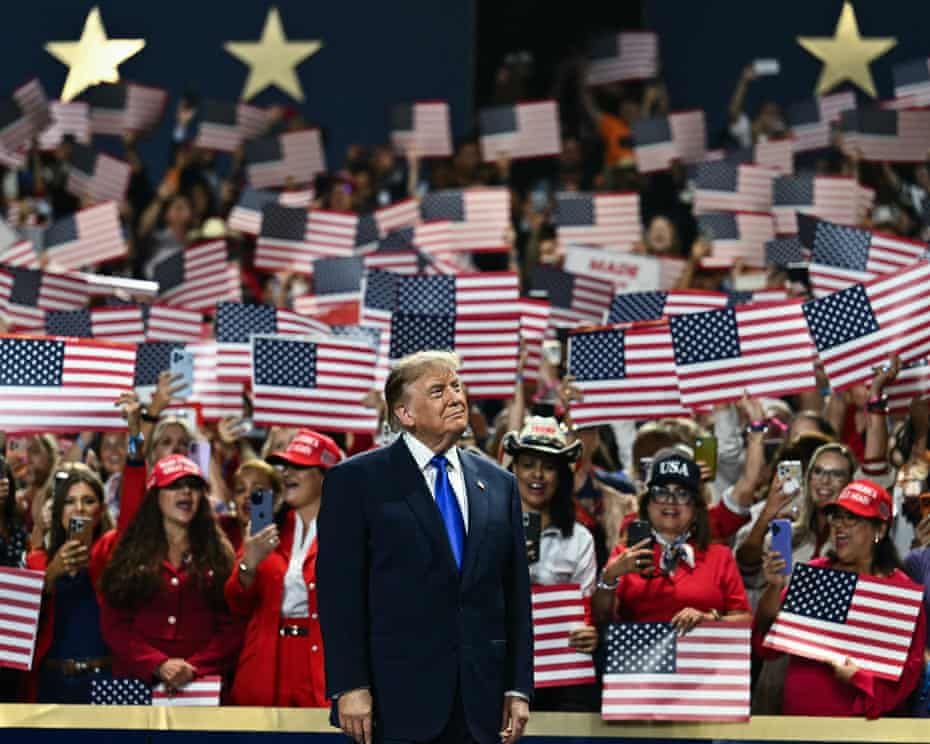
Why The Election Counting Window Matters
Caitlin Durkovich, a former deputy homeland security adviser for resilience and response on the National Security Council, told a Brennan Center for Justice briefing that she was concerned about possible actions involving ballots or election equipment.
“I think because the administration has lost so many of their attempts to disrupt the normal process in court, that they are going to use the claim of foreign interference at the end of voting days to either seize equipment or to seize ballots, whether they’re legally justified to do so or not,” Durkovich said.
Her statement was presented as a warning about a possible scenario, rather than evidence that such action will occur.
Durkovich also highlighted the effect that uncertainty could have while ballots are still being counted.
“That period, that waiting time, is where doubt begins to surface,” she said. “And when it is then amplified by foreign actors and, frankly, by domestic actors, it starts to cause distrust in the integrity of the process.”
The concern comes as federal and state officials continue preparing for the November election. Reuters has separately reported that state and local election officials are taking additional steps to protect voting systems, election workers and public confidence amid concerns about federal intervention and fraud claims.
Election Officials Prepare Voters
Larry Norden, vice-president of the elections and government programme at the Brennan Center, said state election officials were trying to explain the counting process to voters ahead of election day.
“To me, this is the biggest threat right now,” Norden said.
He also argued that voters should not interpret headlines about changes to election administration as evidence that voting itself has become more difficult.
“I think a lot of people may think just because they’re seeing all these headlines being thrown at them that things have changed – that it’s become more difficult to vote,” Norden said.
“In the history of American elections in some ways, there have never been more options for the way that people can vote, and they are still in place going into this election.”
Norden also pointed to early voting as one way voters could avoid some of the uncertainty associated with waiting until election day.
Mail Voting Restrictions Face Legal Setbacks
The concerns surrounding the 2026 US midterm elections follow several legal disputes involving the Trump administration and voting procedures.
Earlier in September, the US Supreme Court rejected the administration’s attempt to impose restrictions on mail ballots ahead of the midterm elections. The decision allowed states to continue using established processes for sending mail ballots.
The legal ruling followed other court challenges involving the administration’s attempts to change federal involvement in election administration.
The developments have contributed to a wider debate over the role of federal agencies in elections, which are primarily administered at state and local levels.
The Guardian reported that rights organisations including the NAACP and National Urban League remain concerned about statements suggesting that the 2026 elections could be illegitimate without federal intervention.
Those organisations’ concerns are part of a broader dispute over election administration, federal authority and claims about voting security.
Officials Debate Foreign Interference Claims
Foreign interference has also become a major part of the election debate.
Experts distinguish between foreign influence, such as propaganda or attempts to shape public opinion, and foreign interference involving direct manipulation of the voting process.
Beth Sanner, a former deputy director of national intelligence, said there was an important distinction between the two.
“It’s very important for people to understand that we don’t have any examples of a country trying to interfere in the electoral process, in that technical process,” Sanner said.
“It just didn’t happen,” she added. “It didn’t happen in 2020.”
Her comments concerned direct interference with the technical process of voting, rather than broader attempts by foreign actors to influence political discussion or public opinion.
The distinction is significant because allegations about foreign activity can encompass very different types of conduct.
Election Security Measures Remain In Place
Election officials also point to security measures developed and strengthened following concerns surrounding previous US elections.
Geoff Hales, a former chief of joint cyber defence collaborative partnerships at the Cybersecurity and Infrastructure Security Agency, said states conduct audits of election results.
“Every state audits its results,” Hales said.
He added that election officials had taken cybersecurity seriously across the country.
However, Hales also said federal support for election security had declined, arguing that staffing, funding and technical assistance at CISA had been reduced.
“The federal support that used to be there has pulled back sharply,” he said.
“This means that cybersecurity services have been reduced, funding for information sharing environments have been cut, the threat briefings about nation-state adversaries that used to occur dozens of times a year are occurring rarely or not at all.”
What Happens After Voting Ends
The election counting window could therefore become an important period in the 2026 US midterms, particularly in states where counting takes longer and control of Congress depends on closely contested results.
Read also: BREAKING: Athens explosion kills six as building collapses in tourist district
The counting process itself is a normal part of American elections, and results are not necessarily final immediately after polls close.
The current concern from election experts is that the time between voting and certification could become a period of heightened political and public debate.
President Trump and his allies have continued to make claims concerning election security and foreign interference, while voting experts and former officials have warned that unsupported allegations could undermine confidence in the results.
Reuters has also reported that election officials across the country are preparing for possible disruptions and challenges as the November elections approach.
The Trump midterm election debate is therefore likely to remain focused not only on election day itself, but also on what happens while ballots are being counted and results are being verified.
The eventual outcome will depend on votes cast by Americans, the counting and certification procedures administered by the relevant election authorities, and the resolution of any legal challenges that may arise.
Keyphrases: Trump midterm election, 2026 US midterm elections, election counting window, Trump election claims, US election interference