Ukraine Moves Against Major Water Producer
The Ukraine seizes IDS Ukraine water company dispute has intensified as Ukrainian authorities seek to take control of one of the country’s biggest bottled-water businesses, despite opposition from the billionaire Patarkatsishvili family, which owns a significant minority stake.
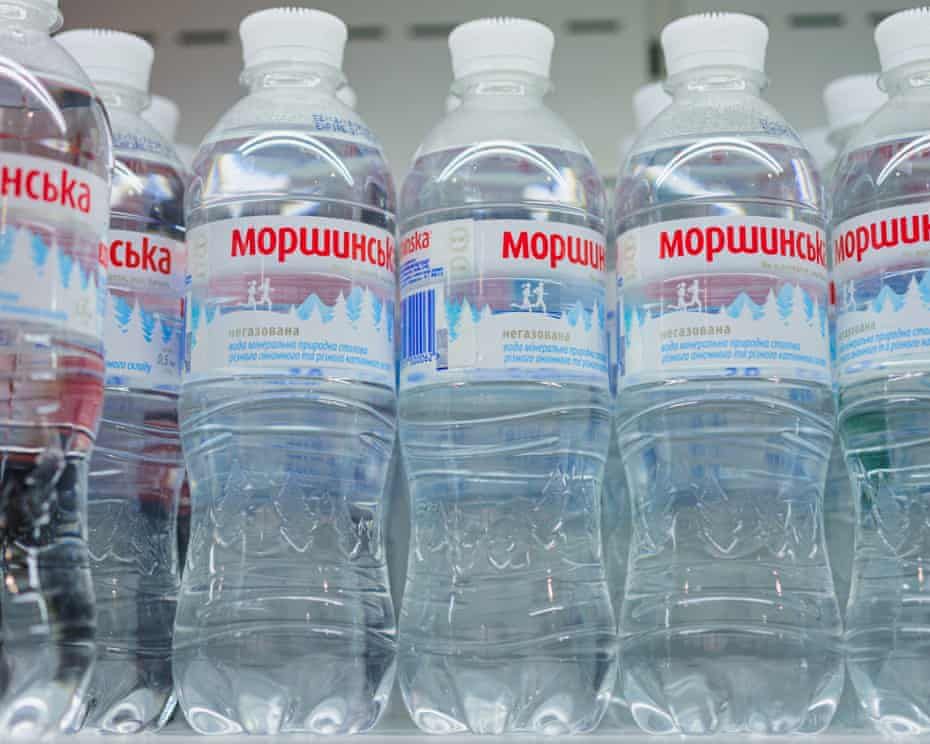
IDS Ukraine is a major producer and distributor of bottled and mineral water, with well-known brands including Morshynska and Myrhorodska. The company has continued operating during Russia’s full-scale invasion, making the ownership battle particularly significant for Ukrainian authorities.
At the centre of the dispute is the company’s complicated ownership structure. The Patarkatsishvili family owns a 34% interest through New World Value Fund Limited, while Russian investors control approximately 49% of the business.
Among the Russian-linked investors is billionaire Mikhail Fridman, whose business interests have attracted sanctions and intense scrutiny from Ukrainian authorities since Russia launched its full-scale invasion.
The Ukrainian government has frozen holdings connected to IDS Ukraine since 2022 and has sought to establish independent management over the disputed assets through the Asset Recovery and Management Agency, commonly known as Arma.
Why Ukraine Wants Control of IDS Ukraine
The IDS Ukraine ownership dispute is closely connected to Kyiv’s wider campaign to identify, freeze and recover assets associated with sanctioned Russian individuals and businesses.
Ukrainian authorities have argued that assets linked to Russian interests should not remain under arrangements that could potentially allow sanctioned individuals to benefit financially while Russia continues its war against Ukraine.
The situation has nevertheless become complicated because the company includes shareholders who are not themselves sanctioned.
Arma head Yaroslava Maksymenko has described legal and bureaucratic obstacles encountered during attempts to establish independent management of the company. The agency has also reported a cyberattack connected to its efforts, although there is no evidence establishing who carried it out.
The Patarkatsishvili family has not been accused of being responsible for the cyberattack.
Maksymenko has also rejected the family’s allegations that Ukrainian officials have acted unlawfully, describing such claims as misinformation. Meanwhile, Ukraine’s National Anti-Corruption Bureau continues its investigation into aspects of the wider dispute.
Separate proceedings concerning possible nationalisation have also been brought before Ukraine’s High Anti-Corruption Court, adding another layer to the increasingly complicated ownership battle.
Patarkatsishvili Family Challenges Seizure
The Patarkatsishvili family has strongly rejected attempts to take control of its stake in IDS Ukraine, arguing that its members should not lose their property because other shareholders have links to Russia.
The family says it has supported Ukraine since Russia’s full-scale invasion and insists that there are no allegations or concerns against its members that would justify confiscating their investment.
In a statement, the family said: “The Patarkatsishvili family strongly believes that an asset should not be taken away from non-sanctioned shareholders against whom there are no allegations or concerns.”
The statement underlines the central argument being made by the family: that sanctions against particular Russian investors should not automatically affect shareholders who have not been sanctioned and have not been accused of wrongdoing.
The family has also indicated that it is prepared to take the dispute beyond Ukraine if necessary.
It has warned that if Ukrainian courts fail to protect its interests and its stake is ultimately taken away through the state asset-management process, it will consider pursuing the matter before international courts.
That threat could turn the dispute into a significant international legal case involving wartime asset recovery, sanctions, property rights and the treatment of non-sanctioned investors.
IDS Ukraine Rejects Financial Misconduct Claims
IDS Ukraine has also pushed back against allegations or suggestions that its operations involved money laundering or unlawful movement of funds.
The company maintains that it has complied with Ukrainian legislation and financial requirements and says that no competent Ukrainian authority has established that it illegally transferred money or engaged in money laundering.
The company has also stressed that it did not stop operating after Russia’s invasion.
According to IDS Ukraine, its production and distribution activities continued despite the serious security challenges created by missile and drone attacks across the country.
The company’s position is important because it presents IDS Ukraine not simply as a disputed financial asset but as a functioning business that has continued providing drinking water to Ukrainian consumers throughout the war.
IDS Ukraine has separately denied suggestions linking it to the reported cyberattack involving Arma.
A company representative described such information as “simply false and in reality completely irrelevant,” rejecting any attempt to connect the company with the incident.
The Russian Stake at the Heart of the Dispute
The Russian stake in IDS Ukraine is one of the most important factors behind the Ukrainian government’s efforts to change the ownership and management arrangements surrounding the company.
Russian investors reportedly hold approximately 49% of IDS Ukraine, creating a significant connection to the Russian business community even though other shareholders have no sanctions against them.
For Ukrainian authorities, the presence of sanctioned Russian interests raises questions about whether the company can remain under its existing ownership structure while the war continues.
For the Patarkatsishvili family, however, the distinction between Russian and non-Russian shareholders is fundamental.
The family argues that its 34% holding should be protected because it is owned by non-sanctioned investors who have not been accused of participating in unlawful activity.
The dispute therefore highlights one of the most difficult issues surrounding Ukraine’s wartime asset-recovery policy: how to confiscate or manage Russian-linked assets without improperly affecting unrelated investors.
Who Was Badri Patarkatsishvili?
The family’s connection to IDS Ukraine originates from the business interests accumulated by Badri Patarkatsishvili, a Georgian businessman who became enormously wealthy following the collapse of the Soviet Union.
Patarkatsishvili died in 2008 at the age of 52 after suffering a heart attack. His family subsequently inherited interests connected with his extensive business holdings.
The inherited assets included the stake that eventually became part of the current dispute surrounding IDS Ukraine.
The family’s public profile has also extended beyond business. Liana Patarkatsishvili has been involved in theatre production in Britain, giving the family a presence in the country’s cultural sector.
The current dispute, however, has placed the family in the middle of one of Ukraine’s most sensitive questions: how property connected indirectly to Russian investors should be handled during wartime.
Ukraine Asset Recovery Battle Continues
The Ukraine asset seizure campaign is part of a broader effort by Kyiv to prevent sanctioned Russian individuals from retaining economic benefits from assets located in Ukraine.
The IDS Ukraine case is particularly complicated because of the company’s mixed ownership structure and the competing claims of sanctioned and non-sanctioned investors.
Arma has been tasked with managing assets affected by the government’s actions and finding arrangements designed to preserve their value while legal proceedings continue.
However, efforts to establish independent management have faced legal and administrative difficulties, demonstrating the challenges involved in transferring control of large operating businesses during wartime.
Separate court proceedings over possible nationalisation could ultimately determine the future of some or all of the disputed interests.
For the Patarkatsishvili family, the immediate objective remains protecting its 34% stake and preventing what it considers an unlawful transfer of privately owned property.
What Happens Next?
The Ukraine seizes IDS Ukraine water company dispute is likely to remain in the spotlight as Ukrainian courts and state agencies determine how the company’s ownership should be handled.
Read also: Iran war could drag on six more months, Leon Panetta warns
The outcome could have consequences beyond IDS Ukraine itself because it may influence how Ukraine deals with other businesses containing Russian-linked ownership alongside investors who are not subject to sanctions.
If the Ukrainian government succeeds in obtaining permanent control over the disputed assets, it could strengthen Kyiv’s broader asset-recovery campaign against Russian interests.
If the Patarkatsishvili family succeeds in defending its stake, however, the case could establish an important precedent for protecting non-sanctioned investors caught up in wider sanctions and nationalisation proceedings.
The family has made clear that it will continue challenging the government’s actions through the Ukrainian legal system before considering international litigation.
For now, IDS Ukraine remains an operating bottled-water company, but its ownership and future control are at the centre of a growing legal and political confrontation.
The dispute ultimately raises a fundamental question for wartime Ukraine: how far can the state go in recovering assets linked to Russian interests without infringing on the property rights of shareholders who maintain that they have committed no wrongdoing?
About The Author