The India voter deletion controversy has raised serious citizenship concerns after Muslim residents whose names disappeared from electoral registers reported being detained, questioned and, in some cases, deported to Bangladesh despite having documents they say establish their Indian roots.
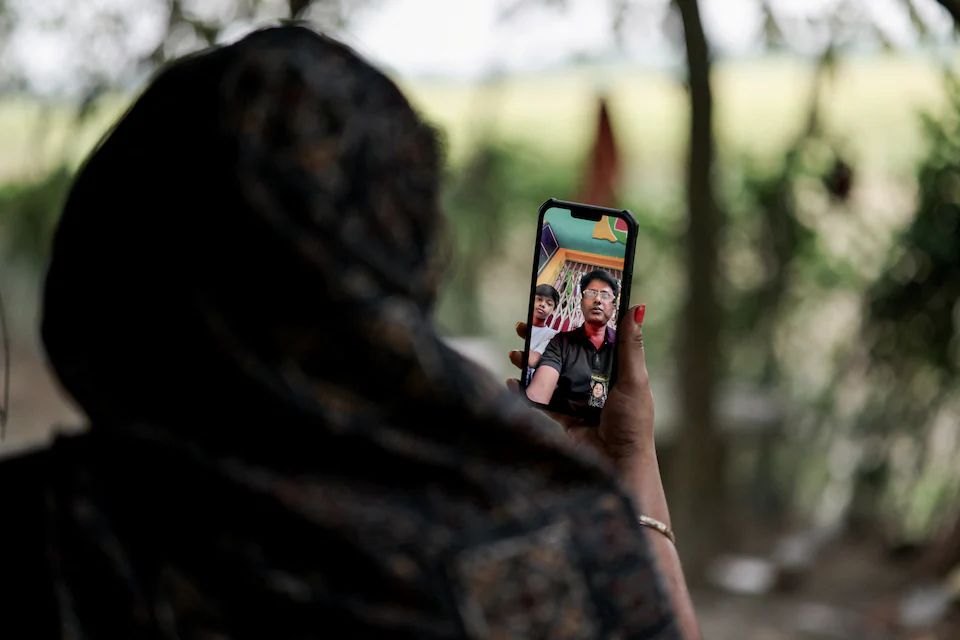
One of the people caught up in the situation is Sahida Fakir, a 38-year-old mother of two who left her Mumbai home on July 19 to buy vegetables, telling her younger son she would return shortly. More than three months later, she was living in a village in Bangladesh, separated from her husband and children.
Fakir told Reuters that plainclothes officers seized her phone and forced her into a vehicle. She said the phone contained copies of identity documents that could have helped establish her citizenship. Court records identified the officers as members of the Mumbai police crime branch, although the department did not respond to Reuters’ request for comment.
Her case is among those raising questions about the consequences of India’s extensive electoral-register revision and its relationship with a separate government campaign against suspected illegal immigration.
Millions removed from India’s electoral registers
India’s latest voter-list revision resulted in the removal of approximately 130 million names nationwide, making it the largest deletion of voters in the country’s history.
The exercise was intended to review electoral records, but its consequences have extended beyond voting rights. Some people whose names were removed have found themselves facing inquiries into their nationality, detention or deportation proceedings.
The distinction is important: removal from an electoral register does not, by itself, establish that an individual is a foreign national. Nevertheless, the experiences described by affected families suggest that exclusion from voter lists has, in some cases, become a factor in wider citizenship investigations.
The impact has been particularly pronounced among Muslims, India’s largest religious minority. Rights organisations have raised concerns about discrimination and policies they say have contributed to the marginalisation of Muslim communities since Prime Minister Narendra Modi‘s Bharatiya Janata Party came to power in 2014.
In West Bengal, where the revision was implemented extensively ahead of state elections earlier in 2026, approximately nine million names were removed. The Kolkata-based Sabar Institute reported that Muslims accounted for about 70% of the 2.7 million names deleted following a more detailed review, despite representing approximately 27% of the state’s population.
The BJP won the election and took control of West Bengal for the first time. Sabir Ahamed, founder of the Sabar Institute, acknowledged that anti-incumbency contributed to the result but said voter deletions also played a significant role.
The party has denied targeting legitimate Indian citizens.
Amit Shah links voter deletions to removal of migrants
The controversy intensified after Home Minister Amit Shah publicly connected the electoral-roll exercise with the government’s campaign to identify and expel suspected illegal immigrants.
Speaking at a rally in Haryana on November 5, Shah said the BJP intended to identify infiltrators, remove their names from electoral registers and subsequently locate and expel them from India.
His statement has drawn attention because it appears to connect two processes that have different legal purposes: determining eligibility to vote and establishing whether someone is entitled to remain in the country.
The distinction matters to people whose names have been removed but who maintain that they are Indian citizens. They fear that an electoral-register decision could expose them to immigration enforcement before their citizenship claims have been properly examined.
The Indian Home Ministry, the Prime Minister’s Office and the Election Commission did not respond to Reuters’ requests for comment on the cases.
Read also: Prince William and Kate India visit begins in Mumbai ahead of Earthshot Prize ceremony
West Bengal has become a major focus of the enforcement drive, particularly among Bengali-speaking Muslims. The state’s history makes questions of identity and migration especially sensitive.
The partition of British India in 1947 divided Bengal between India and what became East Pakistan, later Bangladesh. Large numbers of people crossed the newly established border during partition and again during Bangladesh’s 1971 independence war. Families and communities have consequently maintained connections on both sides of the frontier for generations.
Sahida Fakir challenges her deportation in court
Fakir said Indian officials pushed her into Bangladesh at about 1 a.m. through an unfenced and unmanned section of the border. She described walking through muddy terrain for hours before a farmer found her crying and offered assistance.
According to court filings, Mumbai police said she was transferred to the Border Security Force along the Assam border and subsequently deported to Bangladesh through designated authorities.
The police documents indicated that Fakir was among 149 people deported during the operation after officials identified them as Bangladeshi nationals.
Fakir disputes that determination. She insists that her family has lived in India for generations and that she was not given a fair opportunity to present evidence before being removed from the country.
Her family petitioned India’s Supreme Court in August, arguing that exclusion from the electoral register could not independently establish foreign nationality. The petition also challenged her removal on the basis of what it described as an untested assertion by executive authorities.
Documents reviewed by Reuters showed that Fakir’s parents and grandparents had been registered as voters in Swarupnagar, West Bengal, dating back to India’s first national election in 1952. Their names also appeared on the 2002-03 electoral registers, which were used as a reference point in the latest revision.
Fakir herself had appeared on West Bengal’s voter lists since at least 2008, according to her voter identification document reviewed by Reuters.
However, the Foreigners Regional Registration Office in Mumbai told the Calcutta High Court that Fakir had presented a Bangladeshi birth certificate during an inquiry and failed to provide what it considered credible evidence of Indian citizenship.
Fakir rejected that account, maintaining that officers had taken her phone, preventing her from accessing copies of documents stored on the device.
She also argued that Indian citizens are not legally required to carry valid identification documents at all times.
Detention after names disappeared from voter lists
Fakir’s experience is not the only case involving people who say they were detained after being removed from electoral registers.
In a separate petition before the Calcutta High Court, utensil seller Nasiruddin Sheikh and four other people challenged their detention. They said they were taken into custody despite having appeals against their voter-list exclusions pending before special tribunals.
Sheikh said police detained him alongside 22 other people while he was working in Chhattisgarh, hundreds of kilometres from his home.
According to his account, 19 detainees were released after 14 days when authorities discovered that their names appeared on the revised electoral registers. Sheikh and three others whose names were still absent remained in custody for 32 days.
He recalled being told by a police officer that his absence from the voter list meant he was Bangladeshi.
Sheikh said the detention facility had a large hall containing beds for more than 60 people. Detainees underwent medical examinations and biometric registration before being confined.
He described the experience as imprisonment, saying they were not permitted to go outside.
The men were eventually released on the night before their scheduled court hearing.
Police and state lawyers have told the Calcutta High Court that West Bengal does not operate permanent detention camps. However, Reuters journalists visiting a holding facility for suspected foreign migrants in Murshidabad observed clothes hanging inside the compound and people looking through its windows.
An ambulance and a covered police bus were also seen within the heavily guarded premises.
Mosami Ray, who lives opposite the facility, told Reuters that she had seen people brought there about two months earlier and relatives crying outside.
Families struggle to obtain justice
The growing number of challenges to electoral-register deletions has placed pressure on the legal system, with affected families seeking to establish their relatives’ citizenship and secure their release.
Human rights activist Kirity Roy said millions of cases relating to deleted voter names were awaiting resolution, while the special tribunals responsible for reviewing appeals were moving slowly.
The delays have heightened uncertainty for people whose citizenship is being questioned and for relatives trying to secure legal remedies.
For families such as Fakir’s, the consequences extend beyond the loss of voting rights. Her husband, Jumman, is pursuing legal action while she remains separated from him and their two children.
The cases also raise questions about the safeguards available to people whose names are removed from electoral registers, particularly when that decision is followed by detention or deportation proceedings.
The India voter deletion controversy has therefore developed into a wider debate about citizenship verification, electoral administration and the treatment of minority communities.
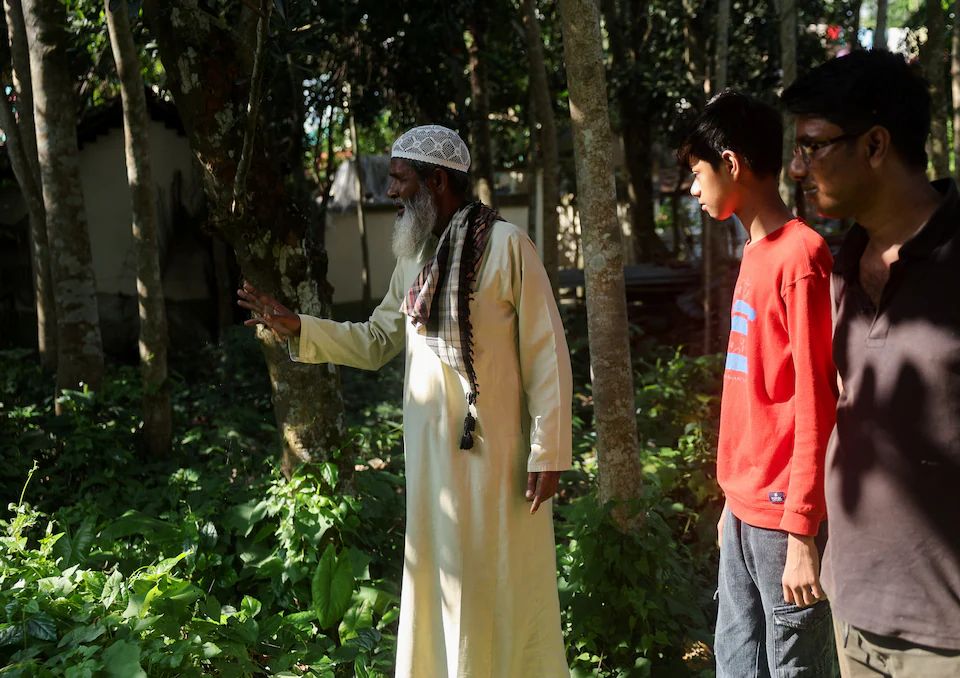
Reuters, in its investigation published on November 16, interviewed members of 10 families whose relatives had been detained, deported or questioned about their nationality after being removed from voter lists. The families said their relatives possessed Indian identity or family records, while other members of the same households remained registered voters.
The Indian authorities have not publicly addressed the individual cases in response to Reuters’ enquiries. The legal challenges will be important in determining how citizenship claims are assessed and whether people affected by the revision receive an opportunity to present their evidence before enforcement action is taken.
About The Author