
Alan Milburn’s youth welfare reform plan has put Andy Burnham under pressure to introduce a new benefits system aimed at tackling unemployment among young people who are not in education, employment or training, commonly known as Neets.
The 278-page report, published on Tuesday, proposes replacing certain health-related benefits with a new youth allowance, expanding employment support and offering financial incentives to businesses that recruit young people.
The proposals have received backing from the government, which described the review as an opportunity to establish a new settlement for young people. However, ministers now face questions about how quickly they will implement its recommendations and whether they will accept the proposed changes to welfare payments.
The report was prepared by Alan Milburn, a former Labour cabinet minister, who warned that Britain risked losing a generation of young people because of limited opportunities to enter the workforce.
The Independent reported that the government had endorsed the broad direction of the review shortly after its publication and given Milburn a new government role. Nevertheless, Burnham will face pressure to commit to the full package, which includes significant changes to benefits, employment services, taxation and education.

New youth allowance proposed to replace existing benefits
One of the central recommendations is the creation of an entirely new benefits arrangement for young people.
Under the proposed system, the health element of Universal Credit and Personal Independence Payment (PIP) would be replaced by a youth allowance. The report argues that the existing arrangements should be restructured to place greater emphasis on helping young people access employment and support.
The proposal is likely to attract close scrutiny because it could affect young people with disabilities and health conditions who currently depend on financial assistance.
The Institute for Fiscal Studies (IFS) warned that some people with less severe disabilities could initially experience substantial reductions in their income under the proposed changes. It added that entering employment could offset some of those losses, although the extent to which that would happen remains uncertain.
The report’s recommendations therefore raise questions about how the government would distinguish between young people who need employment assistance and those whose health conditions limit their ability to work.
Milburn has argued that the proposals should be considered as one coordinated package rather than implemented selectively.
Employment support services to be reorganised
The report also recommends establishing devolved Youth Opportunity Services to bring employment, health and career guidance together under one organisation.
The proposed services would provide young people with access to a named adviser within 14 days, giving them a direct point of contact for assistance with employment, training and other barriers to work.
The aim is to reduce the fragmentation that can occur when young people have to deal with several agencies to obtain support.
By bringing different services together, the report argues, the government could provide more coordinated assistance and identify problems before they become long-term barriers to employment.
The recommendation reflects the review’s wider argument that tackling youth unemployment requires more than changes to benefit payments. It also requires accessible career guidance, appropriate training and support for young people dealing with health or personal difficulties.
Businesses could receive up to £7,000 for hiring young people
Another major recommendation is to encourage employers to recruit people who have been outside education, employment or training for an extended period.
The report proposes payments ranging from £3,000 to £7,000 to businesses that employ young people who have been classified as Neet for at least six months.
The financial incentives are intended to reduce the cost and perceived risk of recruiting inexperienced workers, particularly those who have struggled to secure their first job.
The review also proposes reducing National Insurance contributions for employees aged between 21 and 24 over a five-year period.
Retail and hospitality businesses would be prioritised for the proposed tax reduction because of their potential to provide entry-level employment opportunities.
Milburn’s recommendations come after he acknowledged that policies introduced by the Labour government had affected the jobs market and made it harder for some companies to employ young people.
He specifically called for a course correction following increases in employers’ National Insurance contributions.
Education reforms form part of the strategy
The review argues that efforts to reduce youth unemployment should begin before young people leave school.
It recommends increasing the proportion of children who are ready for school by the age of five from 63 per cent to 90 per cent.
It also proposes introducing a more vocational curriculum to prepare pupils for the practical demands of working life.
The intention is to strengthen the connection between education and employment by ensuring that young people develop relevant skills before entering the labour market.
The recommendations suggest that tackling the Neet crisis requires a long-term approach involving early childhood development, school preparation, vocational education and access to employment.
Government faces £5.8bn investment and projected savings
The financial implications of the proposals are considerable.
The report estimates that the government would need to spend £5.8bn by 2036-37 to fund the new youth employment services, support programmes, employer incentives and tax reductions.
In return, it projects annual savings of £3.6bn from the social security bill and an additional £2.4bn in tax revenue.
Taken together, those figures would leave the government with an estimated net saving of £200m in that financial year.
However, the projected savings have attracted questions from campaigners and economic analysts.
Read also:Trump’s Quad meeting in Manila highlights regional security and technology tensions
The IFS said it was difficult to assess the plausibility of some of the report’s projected outcomes, including the ambition to move 440,000 additional young people into employment by 2036.
The think tank also calculated that the projected £3.6bn reduction in annual welfare spending would represent 41 per cent of expected spending on health-related benefits for young people in 2036-37.
Its assessment underlines the importance of examining how the proposed reforms would affect individuals who currently rely on disability-related support.
Milburn calls for immediate government action
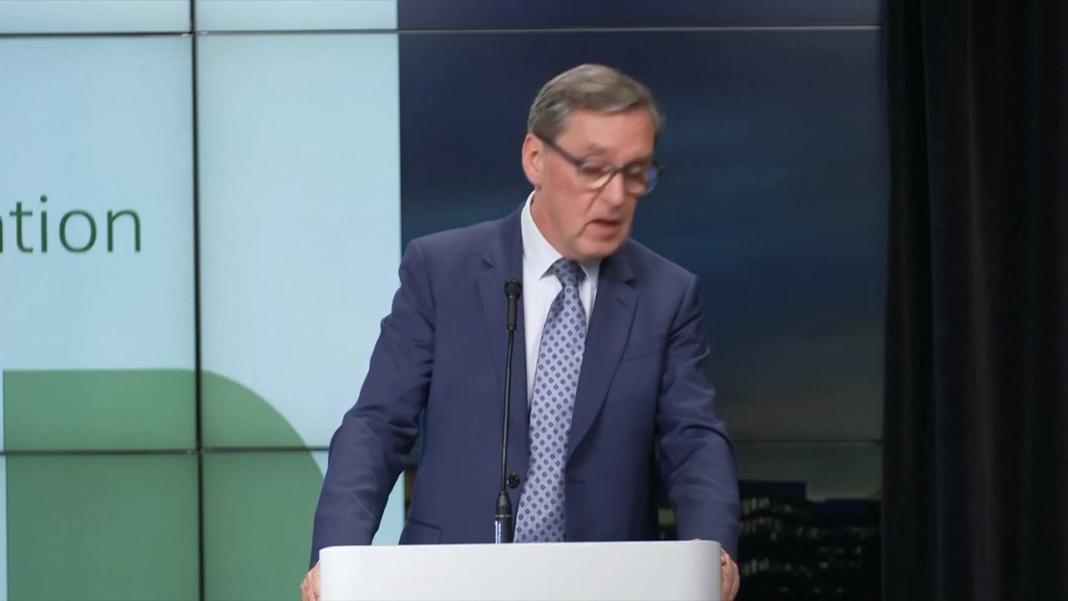
Speaking at the launch of the review, Milburn warned that Britain risked losing a generation of young people, arguing that the problem was not a lack of ambition or willingness to work but a shortage of opportunities.
He said the scale of the crisis required a comprehensive response and cautioned ministers against introducing only selected parts of the recommendations.
Milburn also called for an initial investment of £500m in the next financial year, arguing that the programme should become a priority in the government’s next spending review.
He maintained that legislation could allow welfare savings to begin emerging before the end of the decade if the government acted quickly.
Addressing Labour MPs who had previously opposed attempts by Keir Starmer to reduce the benefits bill, Milburn insisted that his proposals were designed to move people into employment rather than simply cut public spending.
He described that as a different argument from a straightforward attempt to reduce government expenditure.
Pat McFadden promises a new settlement for young people
Work and Pensions Secretary Pat McFadden told MPs that Britain needed a new settlement for young people.
He said the changes should give them the best possible opportunity to achieve higher living standards throughout their lives.
McFadden argued that government spending should place greater emphasis on opportunity rather than dealing with the consequences of long-term inactivity.
The government has announced plans to establish a new youth opportunities unit reporting directly to the prime minister. However, ministers are expected to provide a fuller response to Milburn’s recommendations later this year.
Labour MP Rachael Maskell, who previously opposed aspects of welfare reform, welcomed the ambition behind the review but said important details remained unresolved. She indicated that she would work with the government to ensure the proposals were implemented appropriately.
Conservatives question the cost of the proposals
Conservative leader Kemi Badenoch criticised the proposed approach, arguing that the government should focus on reducing the cost and risks associated with employing young people rather than creating expensive new programmes.
Her response highlighted the political disagreement surrounding the review, particularly over whether additional government spending and changes to welfare payments would deliver the intended employment benefits.
Campaigners and charities, meanwhile, have welcomed the attempt to address the growing number of young people outside education, employment and training.
The central challenge for the government will be balancing the objective of helping more young people into work with protecting those whose disabilities or health conditions make employment difficult.
Milburn’s review has placed that question at the centre of the debate over Britain’s future welfare system. Whether Burnham and other ministers adopt its recommendations in full will determine how far the proposed reforms reshape benefits, education and employment support for the country’s younger generation.
About The Author