Russia, China voice opposition to US-Israeli attacks on Iran as both nations call for diplomatic restraint amid escalating regional tensions. Beijing urged an immediate halt, while Moscow emphasized no evidence of Tehran pursuing nuclear weapons.
Russia and China have sharply criticised the US and Israel over military operations in Iran, with Chinese Foreign Minister Wang Yi insisting that the attacks undermine ongoing negotiations and could trigger wider regional conflict. Moscow also reiterated its concerns about escalation.
Wang Yi told Israeli Foreign Minister Gideon Saar that the strikes occurred despite meaningful progress in diplomacy, which included discussions over Israel’s security concerns. China demanded immediate cessation of hostilities to protect civilians and prevent further destabilisation.
“Regrettably, this process has been interrupted by military action. China opposes any military strikes launched by Israel and the US against Iran,” Wang said, adding that military force could exacerbate regional problems and create long-term consequences.
Moscow also joined the chorus, with Russian Foreign Minister Sergey Lavrov warning that the US-Israeli campaign could ironically promote nuclear ambitions in Iran and potentially among Arab nations, contradicting the stated goal of preventing proliferation.
Lavrov said, “Because the US doesn’t attack those who have nuclear bombs, actions against Iran may encourage forces to pursue exactly what we aim to prevent.” He stressed that evidence of Iranian nuclear weapons development remains unsubstantiated.
In telephone conversations with Iranian Foreign Minister Abbas Araghchi, Lavrov expressed Russia’s readiness to support diplomatic solutions while rejecting what he termed “unprovoked military aggression” by Washington and Tel Aviv.
The Russian ministry called the strikes premeditated and likely to fuel a humanitarian and economic crisis.
China’s calls to Israel were mirrored in conversations with officials from Iran, Oman, and France, highlighting Beijing’s broader push for regional stability. Wang’s requests included ensuring the safety of Chinese personnel and institutions amid ongoing hostilities.
The US and Israel launched the first wave of strikes on Iran on Saturday, claiming to target nuclear facilities and military assets. However, Moscow condemned the attacks as a cover for regime change, accusing the allies of hiding their intentions behind diplomatic negotiations.
“The seemingly paradoxical declared noble goal of starting a war to prevent the proliferation of nuclear weapons could stimulate completely opposite trends,” Lavrov said, warning of an accelerated arms race in the region and unforeseen consequences.
China’s stance emphasises the need for international dialogue over military solutions. Wang urged Israel and the US to consider the broader ramifications of continued attacks, citing the risk of uncontrolled escalation and widespread instability.
According to the Chinese Foreign Ministry, Saar agreed to cooperate on measures ensuring Chinese nationals’ safety. Beijing’s intervention reflects its growing role as a mediator in Middle Eastern conflicts and its concern for the protection of global citizens abroad.
Russia’s Foreign Ministry accused the US and Israel of creating a “manmade crisis” in the region, warning that the conflict could lead to unpredictable chain reactions, spiraling violence, and economic disruption across the Middle East.
Lavrov added that military escalation could drive Arab countries to pursue nuclear weapons, destabilising regional security and undermining non-proliferation frameworks, highlighting the risk of a cascading arms race.
China also highlighted the potential humanitarian impact of the strikes, warning that the conflict threatens civilian populations and international institutions. Wang stressed that force alone cannot solve political disagreements and will likely create long-term challenges.
The strikes in Iran have prompted global concern about oil supply disruption and economic consequences. Analysts warn that if the conflict spreads, markets in Europe, Asia, and the United States could experience volatility, with energy prices particularly sensitive to disruptions in the Strait of Hormuz.
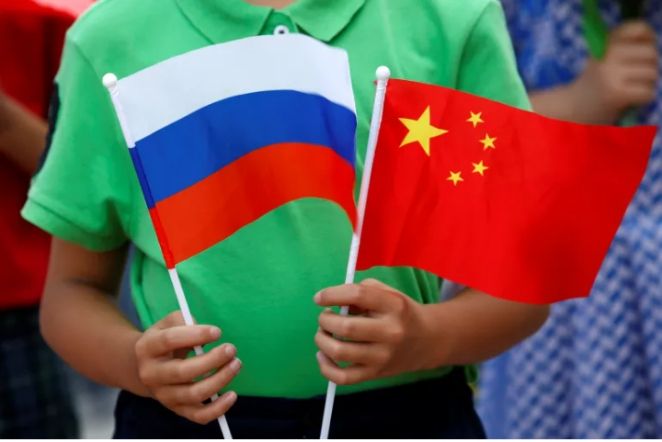
Beijing and Moscow’s statements reflect wider international unease over unilateral military interventions. Both countries advocate for a return to diplomacy, emphasizing dialogue, multilateral negotiation, and adherence to international law as alternatives to further escalation.
The US and Israel maintain that the strikes are defensive, aimed at thwarting potential Iranian nuclear threats. However, Russia and China argue that preemptive attacks without solid evidence undermine credibility and risk destabilizing the region far beyond Iran’s borders.
Lavrov warned that failure to pursue a diplomatic route now could entrench hostilities, creating the conditions for a protracted regional war. He stressed that the use of military force is counterproductive, potentially fueling the very nuclear ambitions the strikes purportedly aim to prevent.
China’s messaging to Israel included specific concerns about the safety of foreign personnel and institutions, signalling Beijing’s commitment to protecting its nationals amid an intensifying conflict. Wang Yi framed China’s opposition as both pragmatic and principled, citing long-term regional stability.
The ongoing US-Israeli campaign has drawn widespread international criticism. European and Middle Eastern allies have expressed concern that the strikes could escalate tensions, trigger refugee flows, and disrupt global energy markets.
Russia’s diplomatic engagement underscores Moscow’s strategic interest in the Middle East and its support for Iran’s sovereignty. Lavrov emphasized that Russian mediation efforts aim to prevent further escalation and maintain regional security architecture.
China’s insistence on immediate cessation of attacks aligns with its broader foreign policy approach of prioritizing diplomacy, stability, and multilateral engagement in international conflicts. Wang Yi’s calls stress long-term solutions over short-term military objectives.
The conflict’s potential for wider repercussions remains high. Analysts warn that continued US-Israeli operations could destabilize the Gulf, strain international relations, and ignite further military confrontations with unpredictable consequences.
Beijing and Moscow’s interventions highlight a growing trend of major powers advocating for restraint, signaling that unilateral military action against Iran is increasingly untenable on the world stage.
Both nations emphasize negotiation over force as the pathway to sustainable peace.
China and Russia’s united stance serves as a counterweight to US-Israeli military action, encouraging other nations to consider diplomatic channels.
Their warnings reflect the complexities of nuclear non-proliferation, regional security, and the global geopolitical order.
Read more here: Iran war escalation enters fifth day as explosions rock Tehran
About The Author