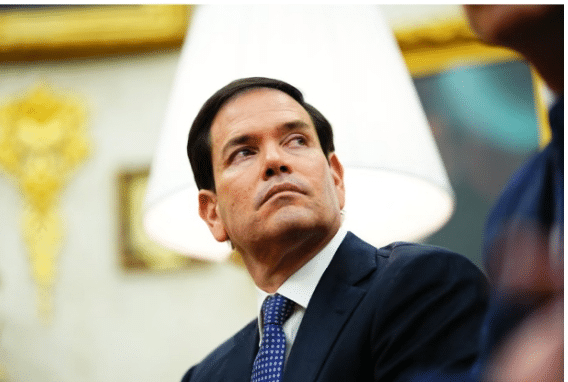
The US Colombia tensions reached new heights this week as President Donald Trump publicly denounced Colombian President Gustavo Petro, accusing him of supporting drug trafficking and threatening immediate retaliation.
Speaking at the White House, Donald Trump announced the suspension of all military aid to Colombia, citing the country’s alleged failures to control drug trafficking networks operating across Latin America.
Gustavo Petro responded on social media, promising to pursue legal action in US courts and defending Colombia’s sovereignty, emphasizing that his administration has actively combated narcotics production and organized crime.
The escalating US Colombia tensions reflect decades of cooperation turned conflict, with both leaders trading sharp words, threatening tariffs, recalling ambassadors, and intensifying diplomatic scrutiny on longstanding US-Colombia partnerships.
Donald Trump described Petro as a “thug” and accused Colombia of harboring cocaine labs, warning, “If they do not stop, we will take very serious action against him and his country.”
In a direct response, Gustavo Petro stressed that Colombia has destroyed over 17,000 cocaine factories during his government, demonstrating commitment to fighting drug trafficking and international crime, contrary to US accusations.

The suspension of military aid alarms analysts who note that Colombia relies heavily on US support for counter-narcotics programs, border security, and operations targeting paramilitary groups and rebel organizations.
Petro highlighted that collaboration with the United States has been ongoing for years, stating, “We fight against drug traffickers with all states willing to support us, but sovereignty cannot be compromised.”
Donald Trump’s threats escalated when US forces carried out strikes on vessels suspected of drug smuggling, reportedly killing multiple people, raising legal, humanitarian, and ethical concerns among international observers.
Legal experts emphasize that these unilateral US strikes in international waters violate international law, as all suspects are entitled to due process, even if they are alleged to be involved in drug trafficking.
The US Colombia tensions are intertwined with broader regional dynamics, including Venezuela, where Trump has accused President Nicolas Maduro of drug trafficking, heightening instability across Latin America and complicating diplomacy.
Colombia’s recalled ambassador, Daniel Garcia Pena, described Trump’s remarks as “unacceptable,” warning that such threats undermine a 200-year alliance and put long-standing cooperative agreements at risk.
Petro emphasized Colombia’s achievements in counter-narcotics, noting ongoing operations against organized crime networks and cartels while highlighting thousands of destroyed cocaine laboratories and millions of dollars of seized drugs.
Donald Trump’s approach reflects a broader US strategy of coercion in Latin America, leveraging threats of tariffs, military action, and public denunciation to pressure governments like Colombia’s into compliance.
In response, Gustavo Petro asserted Colombia’s legal and diplomatic rights, emphasizing his administration’s commitment to defend the nation’s reputation and sovereignty in American courts while maintaining cooperative initiatives where appropriate.
Observers note that the US Colombia tensions endanger regional stability, affecting trade, intelligence-sharing, and joint operations against drug trafficking, all of which have long been pillars of US-Colombia collaboration.
Petro reaffirmed that Colombia will work selectively with US agencies, prioritizing legal frameworks and national sovereignty while continuing to target drug trafficking and organized crime effectively across the nation.
Donald Trump warned that Colombia could face increased tariffs on exports, framing these measures as consequences for failing to sufficiently combat drug trafficking under Petro’s leadership and maintain regional security.
Public perception in Colombia reflects concern, with citizens alarmed by potential escalation and international organizations urging both leaders to return to dialogue and diplomacy to prevent further conflict.
Gustavo Petro condemned the portrayal of Colombia as a hub for drug trafficking, citing significant eradication programs, and stressed that Trump’s narrative undermines ongoing international cooperation efforts.
Military analysts caution that continued US Colombia tensions could destabilize strategic partnerships, threaten regional security, and disrupt intelligence operations vital to countering drug trafficking and organized crime networks.
Donald Trump’s repeated accusations of labeling Petro a “drug leader” have been strongly rejected by the Colombian president, who calls these statements politically motivated misinformation aimed at undermining his government.
Colombia’s military and law enforcement authorities confirmed continued operations against drug traffickers, highlighting major seizures and arrests despite political pressures from the United States and publicized US military interventions.
Petro publicly rejected participation in foreign interventions, particularly regarding Venezuela, declaring that Colombian troops will not support US-led military action, asserting national sovereignty and adherence to international law.
The US Colombia tensions have prompted regional neighbors to monitor developments closely, evaluating potential impacts on alliances, trade agreements, and counter-narcotics cooperation throughout Latin America.
On Wednesday, Donald Trump reinforced his accusations, saying, “Colombia is making a lot of drugs. They have cocaine factories, and they better watch it or we will take very serious action.”
Gustavo Petro responded directly on X, stating, “From the slanders cast against me in the territory of the United States by high-ranking officials, I will defend myself judicially with American lawyers.”
US military strikes in the Pacific have killed five people allegedly involved in drug smuggling, though evidence remains unverified, further complicating diplomatic relations between Washington and Bogota.
Petro denounced the strikes as “unilateral killings” and reiterated that Colombia continues to fight drug trafficking through judicial means, coordination with international partners, and eradication of production facilities.
The escalating US Colombia tensions now include trade threats, legal disputes, and public confrontations, signaling a potentially protracted conflict that could affect regional security and bilateral cooperation for years.
Donald Trump has also linked Colombia to wider US objectives in Latin America, framing Petro’s policies as enabling criminal activity and undermining regional efforts to curb drug trafficking and organized crime.
Petro has consistently argued that Colombia’s anti-narcotics programs, including eradication and seizure operations, reflect significant achievements, countering Trump’s claims and asserting Colombia’s legitimacy on the international stage.
The diplomatic standoff highlights the fragility of the US-Colombia alliance, with tensions over military aid, drug trafficking allegations, and legal disputes threatening to erode decades of cooperation and shared objectives.
As international attention grows, observers stress that the US Colombia tensions could have far-reaching consequences, including affecting trade, joint counter-narcotics operations, and regional political stability in Latin America.
Both leaders remain entrenched, with Donald Trump pursuing aggressive measures and Gustavo Petro asserting legal and diplomatic defenses, indicating that resolution may require multilateral mediation and adherence to international law.
The continued public exchange of accusations has heightened global awareness of the US Colombia tensions, with experts warning that mismanagement could escalate into military confrontation or economic retaliation.
Petro has urged the United States to recognize Colombia’s achievements and cooperate in fighting drug trafficking rather than resorting to unilateral threats or punitive measures that undermine trust.
Donald Trump’s approach underscores a broader US foreign policy strategy that emphasizes coercion, unilateral action, and public pressure, often complicating diplomatic relations with longstanding allies like Colombia.
The US Colombia tensions remain a critical test for both leaders, with the potential to redefine US-Latin America relations, affect regional security, and set precedents for international responses to drug trafficking.
Petro has reiterated that Colombia will continue counter-narcotics efforts, enforce domestic law, and engage selectively with international partners while defending national sovereignty against external pressures.
Analysts suggest that careful diplomacy, adherence to international law, and recognition of Colombia’s anti-drug initiatives will be essential to resolving the US Colombia tensions and preventing further escalation.
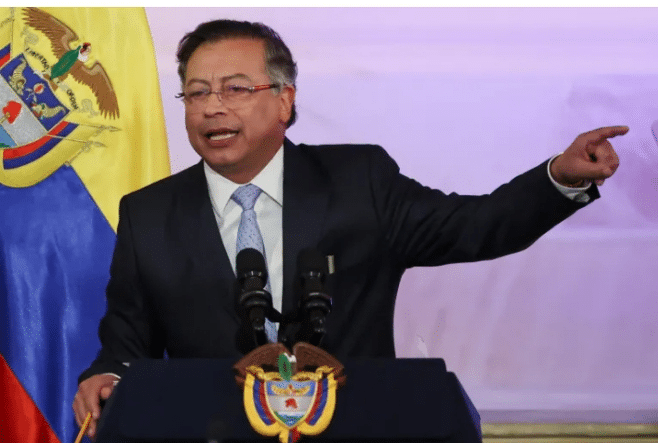
The dispute between Donald Trump and Gustavo Petro over drug trafficking, military aid, and legal jurisdiction illustrates the fragility of alliances and underscores the need for constructive dialogue and cooperative frameworks.
The international community continues to watch the US Colombia tensions closely, advocating for legal processes, respect for sovereignty, and multilateral cooperation to address both drug trafficking and regional stability.
About The Author