The Strait of Hormuz reopening has become the focus of a new diplomatic initiative led by Qatar, which is seeking to persuade Iran to allow United Nations nuclear inspectors into facilities damaged during the war with the United States and Israel.
The proposal offers Tehran a possible route towards easing the confrontation while addressing international concerns about its nuclear programme and the disruption of shipping through one of the world’s most important energy corridors.
Qatar, the leading mediator in the conflict between Washington and Tehran, wants Iran to permit inspectors from the International Atomic Energy Agency (IAEA) to examine its bombed nuclear installations, including sites holding its stockpile of highly enriched uranium.
Under the arrangement, Iran would not have to commit to removing the stockpile from its territory. Other possibilities include down-blending the uranium to reduce its enrichment level, offering a potential compromise between Tehran and its international counterparts.
The Emir of Qatar, Sheikh Tamim bin Hamad al-Thani, discussed the initiative with US President Donald Trump, according to the emir’s office, which confirmed the telephone conversation on Friday.
Although the contents of their discussion were not disclosed, Qatar’s state news agency said the emir “emphasised the importance of continuing dialogue and embracing diplomacy as a means of resolving disputes, preventing further escalation in the region”.
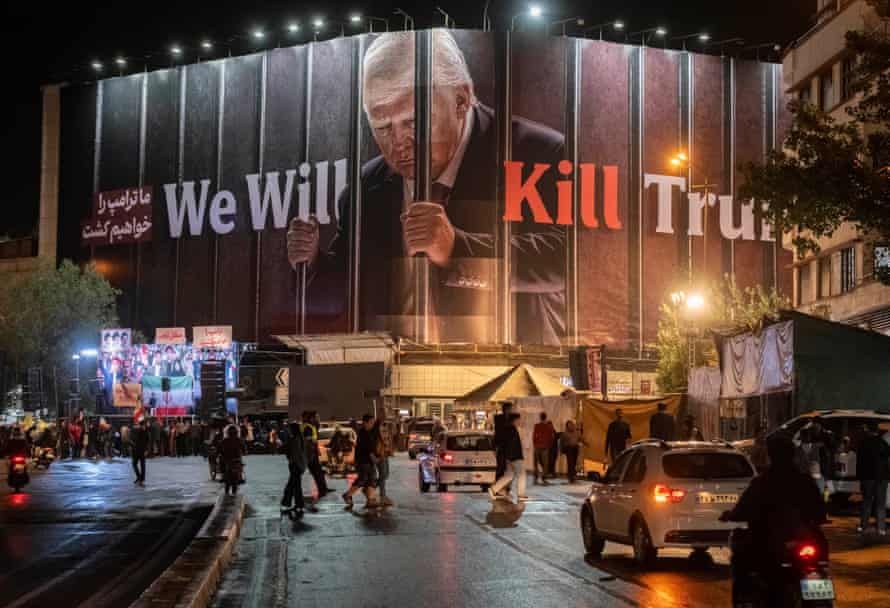
The diplomatic effort comes as Trump continues to consider another military assault on Iranian nuclear facilities. However, political developments in the United States have raised questions about the likelihood of renewed military action.
How Qatar’s proposal could secure the Strait of Hormuz reopening
Under the proposed arrangement, Washington would immediately lift its naval blockade of Iran in the Strait of Hormuz and release part of the approximately $8bn in Iranian assets frozen abroad.
In exchange, Tehran would agree to receive IAEA inspectors at nuclear facilities damaged during the conflict. The arrangement would revive an inspection agreement previously reached in Cairo in September 2025 but later abandoned.
The proposed timetable provides for the Strait of Hormuz reopening on the second day of the agreement, following the lifting of the American blockade.
Iran would use a shipping corridor negotiated with neighbouring Oman. Both countries would subsequently submit the agreed route to the International Maritime Organisation (IMO).
The arrangement is intended to restore maritime traffic while establishing a framework for renewed international monitoring of Iran’s nuclear activities.
However, the proposed agreement involves considerably more than inspections and the removal of the American blockade. Tehran has several additional demands that could complicate negotiations.
Iran wants an end to the war in Lebanon, the withdrawal of American forces from its coastline, the lifting of some economic sanctions and an agreement on compensation for damage caused by the conflict.
The sequence for implementing these conditions has remained one of the most difficult issues facing the mediators.
$300bn reconstruction fund included in proposed agreement
The memorandum of understanding also contained plans for a $300bn reconstruction and development fund to help Iran rebuild its economy following the conflict.
However, the proposal did not clearly explain how the enormous fund would be financed or which countries and institutions would contribute the money.
The reconstruction plan nevertheless demonstrates the scale of the economic issues being considered alongside the military and nuclear disagreements.
For Tehran, reopening the waterway could restore an important channel for international commerce and help ease the economic pressure created by the conflict and sanctions.
For Washington, obtaining access for nuclear inspectors would provide an opportunity to monitor Iran’s damaged facilities without immediately insisting that the country surrender its entire enriched uranium stockpile.
The competing priorities mean that reaching an agreement will require concessions from both sides, particularly on the timing of sanctions relief, military withdrawals and inspections.
Trump still considers another attack on Iran’s nuclear facilities
Despite Qatar’s diplomatic intervention, Trump has not ruled out launching another military operation against Iranian nuclear installations.
His threats, however, have reportedly become less convincing to some people inside Iran following remarks by US Vice-President JD Vance about the political consequences of the war.
Vance indicated that the conflict itself, rather than simply its effect on American consumers and the economy, had contributed significantly to the Republican Party’s poor performance in the US midterm elections.
The Republican losses have encouraged Tehran to believe that the political cost of continuing the war could discourage the Trump administration from launching another major assault.
Iran has consequently approached the diplomatic discussions with greater confidence, particularly after the electoral setback suffered by Trump’s party.
Nevertheless, the possibility of renewed military action remains part of the uncertainty surrounding the negotiations.
For Qatar, the challenge is to persuade both countries that a diplomatic agreement offers a more sustainable outcome than another round of attacks and retaliation.
Iran distrusts UN nuclear inspectors over security concerns
One of the biggest obstacles to the proposed agreement is Iran’s distrust of the International Atomic Energy Agency and its director general, Rafael Grossi.
Tehran has accused Grossi of failing to uphold the principles of the Nuclear Non-Proliferation Treaty by not adequately criticising the American attacks on Iranian nuclear facilities.
Iranian officials are also concerned that information collected by international inspectors could eventually reach the United States and Israel.
The government fears that details about the location, condition and security arrangements of its nuclear installations could be used as intelligence for future military targeting.
These concerns have made Tehran reluctant to restore access for international inspectors, despite the diplomatic pressure surrounding its nuclear programme.
Iran’s position presents a serious challenge to Qatar because the proposed inspections are central to the agreement being negotiated.
Without assurances about the independence, neutrality and security of the inspection process, Tehran may refuse to cooperate with the arrangement.
The question of how the IAEA would conduct its work at the damaged facilities therefore remains critical to the success of the negotiations.
Oman negotiates shipping arrangements with Iran
While Qatar is concentrating on nuclear inspections and negotiations with Washington, Oman is holding separate discussions with Tehran about the future administration of the Strait of Hormuz.
Oman’s Foreign Minister, Badr Albusaidi, has continued discussions with Iranian officials over the proposed shipping corridor, whether the arrangement would be temporary or permanent, and how it could be registered internationally.
One option is a bilateral agreement between Iran and Oman, while another possibility involves submitting a joint regional proposal to the International Maritime Organisation.
Oman has also developed a longer-term proposal intended to ensure that the administration of the waterway complies with international maritime law.
Under the suggested framework, shipping companies would pay for services provided to vessels rather than being charged transit tolls simply for passing through the strait.
Such an arrangement could help restore confidence among international shipping companies while reducing the possibility of future disagreements over maritime charges.
The discussions are particularly important because the Strait of Hormuz is a major route for transporting oil and other energy supplies from Gulf producers to international markets.
Iran permits ships from four countries to pass through the strait
Despite restrictions affecting international shipping, Iran has allowed vessels from selected countries to use the waterway under arrangements it says serve mutual interests.
Amir Hayat Moqaddam, deputy chair of the Iranian parliament’s national security and foreign policy committee, disclosed that ships from China, India, Qatar and Iraq had been permitted to pass through the strategic corridor.
Speaking to the Iranian Students’ News Agency (ISNA) on Tuesday, Moqaddam explained that the exemptions reflected the diplomatic and economic relationships between Tehran and the countries involved.
He said Iranian authorities collected transit fees from Indian and Chinese vessels but allowed Qatari ships to pass without charge.
Moqaddam also explained that Iran had received medicine from India, while China had provided political support.
Read also: Herzog weighs options for forming Israel’s next government as Eisenkot secures more parliamentary backing
The arrangements indicate that Tehran has continued to make selective decisions about maritime access despite the wider restrictions affecting international vessels.
They also demonstrate the importance of diplomatic relationships in determining which countries can maintain shipping links through the waterway during the confrontation.
China and India remain major destinations for Gulf crude oil
The economic importance of the waterway is reflected in the volume of crude oil transported through it to major Asian markets.
Muyu Xu, a senior crude oil analyst at energy analytics company Kpler, said approximately 10.23 million barrels of Gulf crude passed through the Strait of Hormuz daily in October.
China accounted for about 42% of the shipments, while India received approximately 13%.
These figures highlight the exposure of major Asian economies to disruptions in the waterway, particularly countries that depend heavily on imported Gulf energy supplies.
A successful Strait of Hormuz reopening would therefore have consequences beyond the immediate diplomatic confrontation involving Iran, the United States and their regional partners.
Restoring regular commercial movement could help ease pressure on international energy markets and provide greater certainty for countries dependent on crude oil transported through the Gulf.
IRGC reports oil tankers hit mines in Strait of Hormuz
Despite the diplomatic discussions, tensions remain high following an announcement by the Iranian navy of the Islamic Revolutionary Guard Corps (IRGC).
The force claimed that two oil tankers attempting to cross an unauthorised route in the eastern section of the Strait of Hormuz had struck mines and caught fire.
According to the IRGC, the vessels had switched off their navigation and identification systems before attempting to cross the waterway.
The Iranian military force further alleged that the attempted passage had taken place with the support of American military forces.
The claims underline the security risks facing commercial vessels while Iran maintains restrictions on shipping routes and negotiations over maritime access continue.
They also demonstrate how quickly the diplomatic process could be undermined by further incidents involving military forces and commercial shipping.
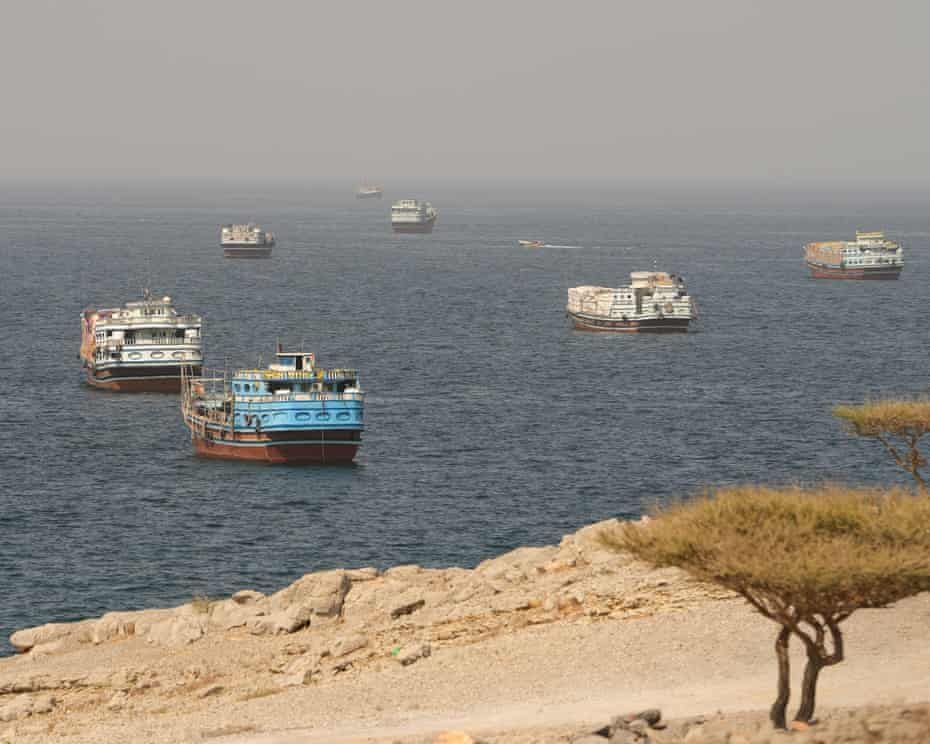
Ultimately, Qatar’s proposal offers a possible path towards the Strait of Hormuz reopening, but its implementation depends on resolving several difficult disagreements.
Iran must be satisfied with the proposed nuclear inspection arrangements, while Washington must decide whether to lift its blockade and release frozen assets.
Oman’s proposed maritime framework, Tehran’s demands over Lebanon and sanctions, and the question of reconstruction funding will also influence the outcome.
Until the parties agree on the sequence and guarantees attached to the proposed concessions, the future of the strategic waterway and the wider regional conflict will remain uncertain.
About The Author