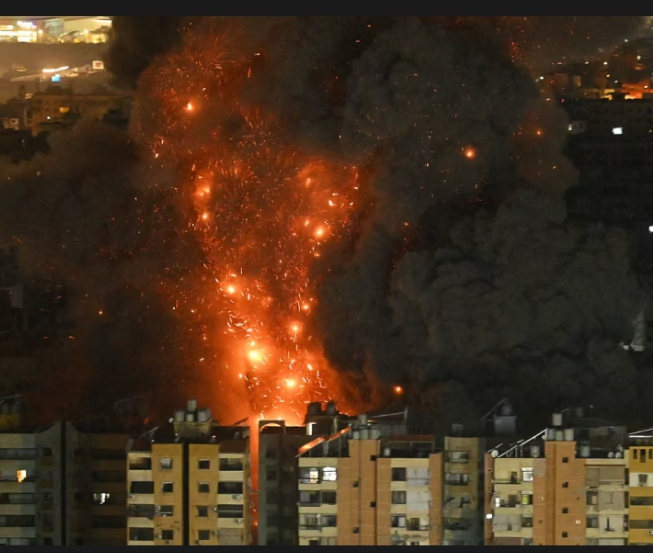
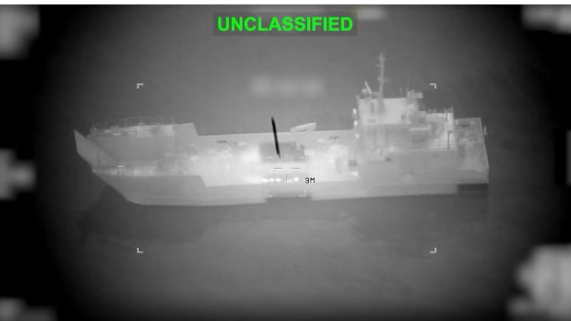
The US Central Command says American forces have destroyed 16 Iranian mine-laying vessels operating near the Strait of Hormuz, marking a significant escalation in tensions across one of the world’s most strategically sensitive maritime corridors.
The announcement, delivered through an official military statement, described the vessels as posing a direct threat to international shipping and regional maritime security operations.
According to the statement, US naval assets detected suspicious vessel movements consistent with preparations for naval mine deployment. Military officials said surveillance systems tracked the boats over several hours before forces were authorized to conduct precision strikes designed to neutralize the threat while minimizing wider risks to commercial vessels operating in the busy waterway.
The Strait of Hormuz remains one of the most critical energy transit chokepoints in the world, linking the Persian Gulf to international waters. A substantial portion of globally traded oil and liquefied natural gas passes through the narrow shipping lane each day, making any military activity in the region a matter of immediate international concern.
Earlier, Donald Trump said the United States had struck and “completely destroyed” 10 inactive mine-laying boats. He described the operation as a defensive measure aimed at protecting commercial shipping and deterring any attempt to disrupt maritime traffic through what he called a “globally vital economic artery.”
Trump also warned that additional military action could follow if further maritime threats were identified. His remarks suggested Washington is prepared to expand operations in the region should intelligence indicate new attempts to interfere with shipping or naval movement through the corridor.
In earlier comments, Trump said there had been “no reports” confirming that Iran had already deployed mines into the shipping channel. However, he emphasized that if such devices had been placed, Iranian authorities would be expected to remove them immediately to avoid severe military consequences.
The US president’s messaging appeared aimed at both deterrence and reassurance: deterring Tehran from escalating maritime activity while reassuring international markets that Washington intends to safeguard freedom of navigation in one of the world’s most economically important sea lanes.
US defense officials, speaking to CBS News, said intelligence assessments suggested Iran may have been preparing to position sea mines as part of a strategy to complicate naval movement and create uncertainty for commercial shipping operators. Such tactics are viewed as capable of disrupting maritime logistics even without direct confrontation.
Naval mines are considered highly disruptive because they can restrict vessel movement, delay cargo shipments, and force rerouting of tankers and container ships. Even limited deployment can lead to sweeping security operations, inspections, and temporary traffic slowdowns that affect international supply chains.
Military analysts say preventive strikes are often intended to stop threats before they materialize into broader crises. By targeting vessels suspected of mine deployment, US forces may be attempting to reduce the risk of prolonged maritime disruption while signaling a readiness to act quickly.
The US Navy maintains a consistent presence in the Gulf region, conducting patrols, surveillance missions, and joint exercises with allied forces. American officials argue that such operations are essential to maintaining open sea lanes and deterring hostile actions against civilian shipping.
The Strait’s narrow geography makes it particularly sensitive to military friction. At certain points, the channel is only wide enough for limited two-way traffic, meaning any obstruction, inspection campaign, or security incident can create bottlenecks that ripple across global shipping schedules.
Energy markets tend to react swiftly to instability near the Strait of Hormuz. Traders monitor regional security developments closely because disruptions can influence fuel prices, shipping insurance rates, and supply forecasts for multiple continents dependent on Gulf exports.
Shipping companies also face increased operational costs during periods of tension. Insurance premiums often rise when naval confrontations appear more likely, while vessels may be required to travel in escorted convoys or adjust routes to avoid high-risk zones.
International observers warn that repeated confrontations in confined waterways can increase the risk of miscalculation. Close encounters between patrol vessels, surveillance aircraft, and naval escorts raise the potential for rapid escalation if communication channels fail or intentions are misread.
Iran has previously criticized the presence of foreign naval forces near its maritime boundaries, arguing that regional waterways should be secured primarily by countries located along the Gulf. Iranian officials have often framed external patrols as destabilizing rather than protective.
At the same time, Western governments argue that multinational naval patrols are necessary to guarantee safe passage for global trade. The difference in security perspectives has long contributed to friction between Tehran and Washington, particularly during periods of heightened political strain.
Security experts note that maritime strategy frequently plays a central role in geopolitical signaling. Demonstrations of naval readiness can be intended both to deter adversaries and to reassure allies that trade routes will remain protected despite political tensions.
The latest incident also underscores how modern conflicts increasingly involve infrastructure protection rather than conventional battlefield engagements. Safeguarding ports, pipelines, and shipping corridors has become a central objective for military planners seeking to prevent economic disruption.
Regional governments have not immediately announced changes to shipping regulations following the reported strikes. However, maritime authorities are expected to review vessel routing advisories and assess whether additional escort or monitoring measures are necessary.
Diplomatic analysts caution that naval incidents can quickly influence broader negotiations, particularly when tensions are already elevated. Maritime confrontations often become leverage points in wider political disputes involving sanctions, defense policy, and regional alliances.
The United States has repeatedly emphasized its commitment to maintaining open sea lanes under international maritime law. Officials argue that uninterrupted commercial navigation is essential to global economic stability and energy distribution networks.
Tehran, meanwhile, has historically linked maritime tensions to broader disputes over sanctions and regional military presence. Iranian leaders have argued that economic pressure campaigns and foreign patrols contribute to instability rather than preventing it.
Strategists observing the situation say both sides may seek to avoid uncontrolled escalation while still projecting strength. Limited military actions can serve as signals of capability without necessarily indicating an intention for sustained confrontation.
Commercial shipping operators continue to monitor official advisories while maintaining transit schedules. Many companies rely on real-time naval guidance and satellite tracking to navigate safely through sensitive maritime corridors during periods of tension.
While no immediate Iranian military response has been confirmed, analysts say official reactions may come through diplomatic channels or carefully calibrated security statements designed to avoid rapid escalation while preserving strategic messaging.
Read also: Trump vows continued Iran strikes as Tehran rejects surrender calls amid widening regional conflict
The situation remains fluid, with further developments likely to depend on intelligence assessments, diplomatic communications, and maritime monitoring outcomes in the coming days. International stakeholders continue to call for restraint to prevent disruption to global trade flows.
The reported destruction of the vessels signals a renewed focus on maritime deterrence and reflects the high strategic value attached to keeping the Strait of Hormuz open and secure. As global energy demand remains closely tied to Gulf exports, stability in the corridor continues to carry worldwide economic importance.
About The Author