

The Iran peace deal between Tehran and Washington has entered a decisive stage after Iranian officials demanded the withdrawal of U.S. forces from areas near Iran, war reparations, sanctions relief, and the release of frozen Iranian assets. The renewed diplomatic effort follows months of deadly regional conflict involving Iran, Israel, and allied groups across the Middle East.
According to Reuters, the latest proposal from Tehran also includes an end to hostilities on several regional fronts, including Lebanon, as both countries attempt to avoid another round of military escalation following a fragile ceasefire earlier this year.
Iran Pushes Broad Conditions In Peace Negotiations
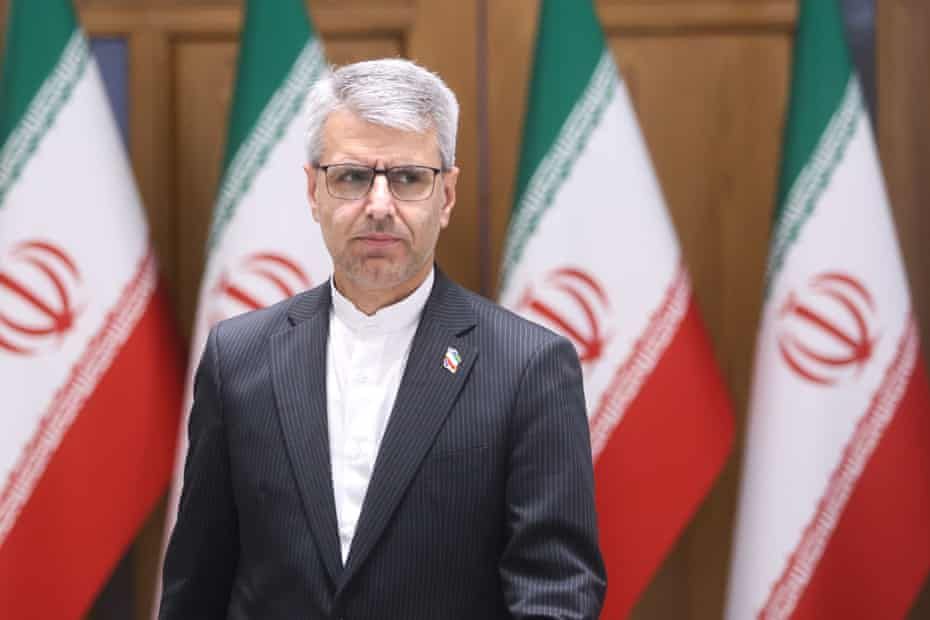
Iran’s Deputy Foreign Minister, Kazem Gharibabadi, confirmed that Tehran expects significant concessions from Washington before any comprehensive agreement can be finalized.
Speaking through Iran’s state media agency IRNA, Gharibabadi said the proposal includes the lifting of economic sanctions, the release of frozen Iranian funds held abroad, and the removal of what Tehran described as a U.S. marine blockade affecting the country’s economic activities.
Iranian authorities believe the latest framework represents a realistic path toward reducing tensions after months of warfare and diplomatic breakdown between Tehran and Washington.
The proposal reportedly maintains many of the same conditions Iran previously presented to the United States, although officials in Tehran appear hopeful that recent diplomatic pressure from Gulf nations could help produce a compromise acceptable to both sides.
Trump Pauses Planned Military Action
U.S. President Donald Trump said on Monday that he had temporarily halted plans for renewed strikes against Iran after receiving Tehran’s revised peace proposal.
Trump told reporters there was now a “very good chance” that both countries could reach a settlement capable of limiting Iran’s nuclear programme without another major military confrontation.
“If we can do that without bombing the hell out of them, I would be very happy,” Trump said during remarks to journalists at the White House.
The U.S. president also disclosed that leaders from Qatar, Saudi Arabia, and the United Arab Emirates urged Washington to delay additional attacks because they believed diplomatic progress was possible.
Trump has repeatedly warned Tehran that failure to reach a deal could trigger severe military consequences. However, he has simultaneously expressed optimism that negotiations may eventually lead to a broader regional agreement.
Gulf States Intensify Diplomatic Pressure
Regional powers have become increasingly involved in attempts to prevent another phase of conflict that could threaten global energy markets and destabilize the Middle East further.
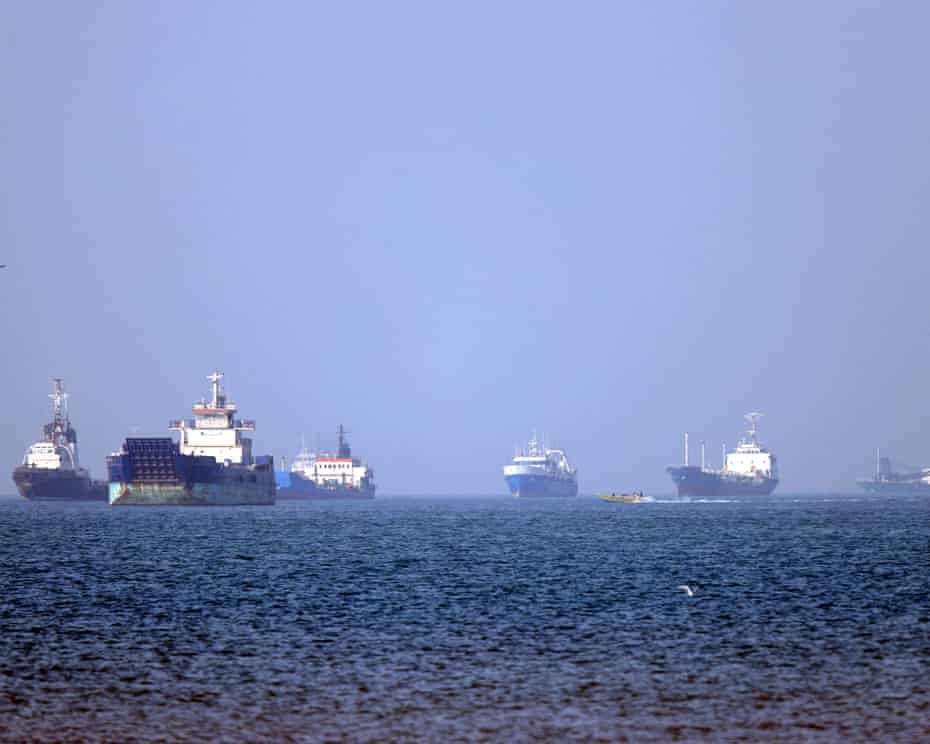
The Strait of Hormuz remains one of the world’s most critical oil shipping routes, and renewed warfare in the region could severely affect international crude supplies and shipping operations.
Gulf leaders have privately encouraged both Washington and Tehran to pursue diplomacy rather than military escalation due to fears of economic disruption and regional insecurity.
A Pakistani official familiar with the talks also confirmed that Islamabad has continued acting as a communication channel between the United States and Iran after hosting earlier rounds of negotiations.
“The sides keep changing their goalposts,” the Pakistani source said while warning that time for diplomacy may be running short.
Sanctions Relief Emerges As Major Sticking Point
One of the most sensitive issues in the negotiations remains Iran’s demand for sweeping sanctions relief and access to frozen overseas assets.
A senior Iranian official claimed Washington had shown some willingness to release part of Iran’s frozen funds held in foreign financial institutions. Tehran, however, wants all restricted assets returned rather than partial access.
Iranian officials also suggested Washington had softened its position regarding peaceful nuclear activities supervised by the International Atomic Energy Agency.
The U.S. government has not publicly confirmed these claims, and American officials continue to deny reports that oil sanctions on Iran would be suspended during ongoing talks.
A U.S. official speaking anonymously dismissed reports from Iranian media suggesting Washington had agreed to major sanctions waivers before a final agreement is secured.
Iran Nuclear Programme Remains Central Issue
The future of Iran’s nuclear programme continues to represent the most important aspect of the negotiations between both governments.
Washington and its allies have consistently argued that Tehran must not acquire nuclear weapons capability, while Iranian officials maintain that their nuclear activities are intended for peaceful civilian purposes.
Trump and Israeli Prime Minister Benjamin Netanyahu previously defended military operations against Iran by claiming they were necessary to curb Tehran’s nuclear ambitions and weaken regional militant networks supported by the Islamic Republic.
Despite months of military pressure, Iran still retains substantial stockpiles of near-weapons-grade enriched uranium along with missile and drone capabilities capable of threatening neighboring states.
Security analysts believe any lasting diplomatic agreement would likely require strict international oversight of Iran’s nuclear facilities combined with phased sanctions relief from the United States and its allies.
Fragile Ceasefire Continues Across Region
Although direct large-scale fighting has declined since the ceasefire announced earlier this year, tensions across the region remain extremely fragile.
Drones have recently been launched from Iraq toward Gulf countries including Saudi Arabia and Kuwait, allegedly by groups aligned with Iran and its regional allies.
The earlier conflict caused widespread devastation in several countries. Thousands of people were reportedly killed in Iran during the U.S.-Israeli bombing campaign, while Israel’s operations in Lebanon displaced hundreds of thousands of civilians and intensified humanitarian concerns across the region.
Iranian missile strikes targeting Israel and nearby Gulf territories also resulted in civilian casualties and infrastructure damage.
Military experts warn that even isolated incidents could quickly reignite broader hostilities if diplomatic negotiations collapse or either side accuses the other of violating ceasefire terms.
Political Survival Strengthens Tehran’s Position
Another major development influencing negotiations is the survival of Iran’s clerical leadership despite months of domestic unrest and international military pressure.
Earlier this year, Iran faced significant anti-government protests and political instability, leading some observers to speculate that sustained military operations could weaken the ruling establishment.
However, the Iranian government managed to withstand both internal unrest and external military pressure without any organized opposition movement successfully challenging state authority.
This political resilience may strengthen Tehran’s confidence during negotiations with Washington and regional powers.
Iranian leaders now appear determined to secure guarantees protecting the country from future military attacks while also obtaining economic concessions capable of easing domestic pressure caused by sanctions and wartime disruption.
Uncertain Road Ahead For Iran Peace Deal
Despite renewed diplomatic momentum, major disagreements continue to divide both sides, especially regarding sanctions, military deployments, and Iran’s nuclear activities.
Read also: Pakistan Saudi Arabia troops deployment sparks regional alarm
Trump has emphasized that preventing Iran from obtaining nuclear weapons remains Washington’s top priority, while Tehran insists that sovereignty, security guarantees, and economic relief must form part of any final settlement.
Regional leaders, international diplomats, and energy markets are now closely watching developments as negotiations continue behind closed doors.
For now, the fragile diplomatic opening has reduced immediate fears of another major Middle East war, but uncertainty remains high as both countries continue testing each other’s willingness to compromise.
About The Author
