

The Trump uranium stance has come under intense scrutiny after the US president downplayed concerns about Iran’s nuclear material, raising fresh doubts about the logic behind the ongoing war.
Donald Trump insisted Iran’s uranium stockpile was buried too deep underground to pose an immediate threat, signalling a shift away from earlier justifications for the conflict.
The Iran nuclear stockpile risks have since become central to the debate, with analysts warning that location does not reduce the long-term danger posed by such materials.
Experts argue that highly enriched uranium remains essential for nuclear weapons development, meaning its continued existence presents a persistent and unresolved threat.
The Iran nuclear stockpile risks are made worse by the collapse of international monitoring systems that previously limited Tehran’s nuclear ambitions.
Before the war, negotiations involving the International Atomic Energy Agency were reportedly progressing toward reducing and supervising Iran’s uranium reserves.
Those discussions, held in Geneva, were widely seen as a viable diplomatic pathway before military action abruptly ended talks.
Under the proposed arrangement, Iran would have diluted its enriched uranium and accepted stricter inspection measures to reduce nuclear proliferation concerns.
Instead, the conflict has left the stockpile intact while weakening systems that previously ensured transparency and accountability.
The highly enriched uranium debate now focuses on whether the war has increased nuclear risks rather than contained them.
Analysts warn that retaining such material allows Iran to maintain a latent capability that could quickly be turned into a weapons programme.
The highly enriched uranium debate also highlights inconsistencies between the war’s stated objectives and its actual outcomes.
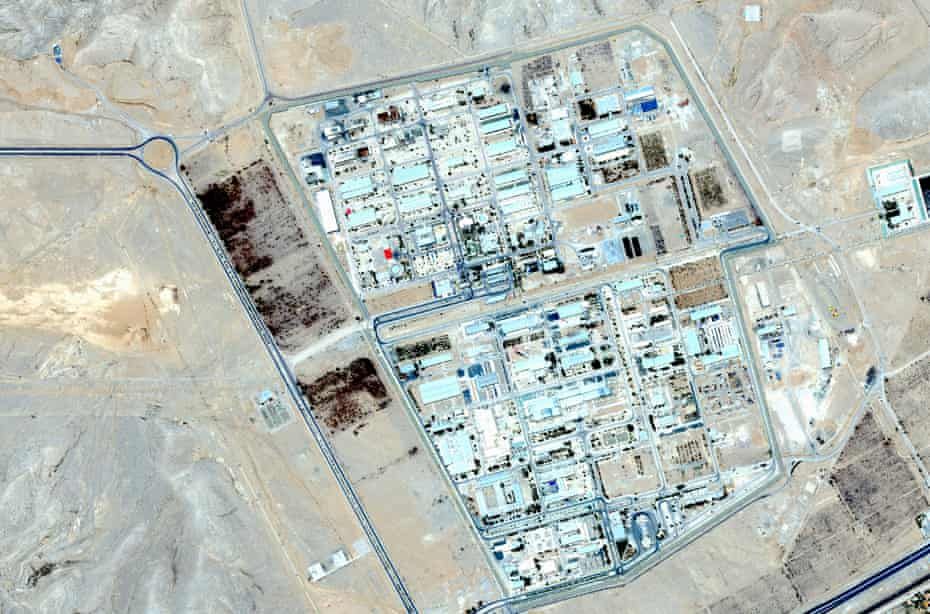
Reports suggest uranium may have been moved to fortified underground sites near Isfahan before major strikes began.
These developments have intensified nuclear proliferation concerns, especially given the difficulty of tracking materials hidden in underground facilities.
Without inspections, experts say it is far harder to determine whether enrichment activities are continuing or expanding.
The nuclear proliferation concerns are further heightened by fears that Iran may now see nuclear capability as necessary for deterrence.
Some analysts believe the conflict has changed Tehran’s strategic thinking, increasing the likelihood of further nuclear development.
Military options to seize or destroy the uranium stockpile were reportedly considered but rejected due to their complexity and risk.
Such operations would have required large troop deployments, specialised equipment and sustained control over hostile terrain.
The Iran war justification is now being questioned more widely, with critics arguing that leaving the uranium untouched undermines the reason for the conflict.
Observers note that if preventing nuclear development was the primary goal, failing to address the stockpile represents a major contradiction.
The Iran war justification debate has also been shaped by comparisons with pre-war diplomacy that may have reduced risks without escalation.
During earlier negotiations, Iranian officials had indicated willingness to reduce enrichment levels and limit stockpiles under international supervision.
These proposals included strict verification systems designed to prevent the development of nuclear weapons.
Instead, the war has introduced greater uncertainty while removing key safeguards that previously managed nuclear risks.
Officials in Tehran continue to defend their nuclear programme as a matter of national security, rejecting claims of offensive intent.
At the same time, the broader conflict involving Israel has increased regional tensions and raised global concerns.
Energy markets have also been affected, with disruptions around the Strait of Hormuz contributing to rising oil price volatility.
These economic effects have added pressure on governments already dealing with the consequences of the conflict.
Critics argue that the current strategy risks leaving the international community with fewer tools to manage nuclear threats effectively.
They warn that without renewed diplomacy, controlling nuclear risks may become increasingly difficult.
Supporters of the administration argue that military pressure has weakened Iran’s broader capabilities and reduced its regional influence.
They believe continued surveillance and deterrence could still prevent escalation despite unresolved concerns about uranium stockpiles.
Read also: Iran denies Trump ceasefire claim amid escalating US-Israel war tensions, Strait of Hormuz crisis
However, the Trump uranium stance remains central to the debate, reflecting broader questions about the effectiveness of the war strategy.
For many analysts, the situation highlights a disconnect between initial objectives and the realities on the ground.
As the conflict continues, policymakers face difficult choices between sustaining military pressure or returning to diplomatic engagement.
The outcome of these decisions will shape whether nuclear risks are reduced or allowed to grow in an unstable environment.
In the coming weeks, decisions on monitoring, negotiations and regional security will play a critical role in determining the direction of the crisis.
Ultimately, the debate surrounding the Trump uranium stance highlights the complexity of managing nuclear threats in a rapidly changing geopolitical landscape.
About The Author
